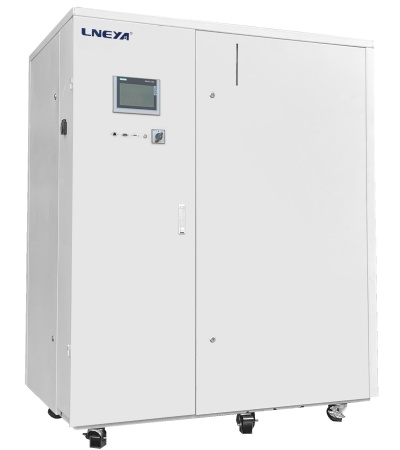
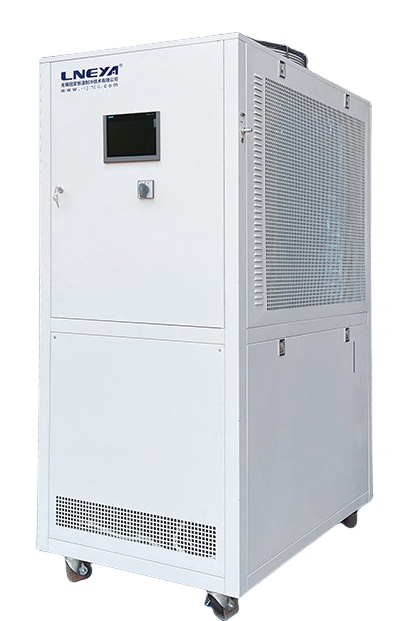
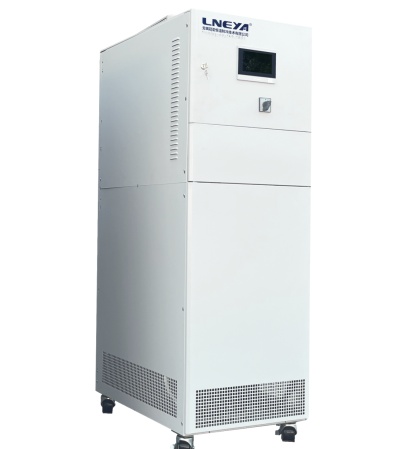
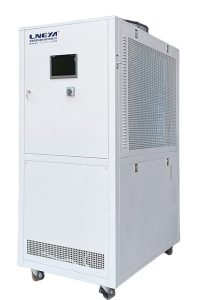
Thermal Chillers: A Comprehensive Guide I. Introduction Thermal chillers are mechanical devices designed to transfer heat from a process, substance, or space, thereby reducing its temperature. They play a crucial role in maintaining optimal thermal conditions across a wide range of industrial, commercial, and even some residential applications. By removing excess heat, thermal chillers ensure the proper functioning of equipment, the quality of products, and the comfort of occupants.
II. Working Principle Heat Transfer Basics At the core of a thermal chiller’s operation is the principle of heat transfer. Heat naturally flows from a region of higher temperature to a region of lower temperature. Thermal chillers exploit this by creating a temperature gradient. They use a refrigerant, a substance with unique thermodynamic properties, to absorb heat from the area or process that needs to be cooled. Refrigeration Cycle The most common type of thermal chiller, the vapor – compression chiller, operates on a refrigeration cycle. The cycle starts with a compressor. The compressor increases the pressure and temperature of the refrigerant gas. As the gas is compressed, its molecules are forced closer together, raising its internal energy and thus its temperature. The hot, high – pressure refrigerant gas then enters a condenser. In the condenser, heat is transferred from the refrigerant to a cooling medium. This cooling medium can be air (in air – cooled chillers) or water (in water – cooled chillers). As the refrigerant releases heat, it condenses into a liquid. The heat released in the condenser is dissipated into the surrounding environment. The liquid refrigerant then passes through an expansion valve. The expansion valve reduces the pressure of the liquid refrigerant. This sudden pressure drop causes the refrigerant to expand and cool down. The cold, low – pressure refrigerant then enters the evaporator. In the evaporator, the cold refrigerant absorbs heat from the process fluid or the air in the space to be cooled. The heat transfer causes the refrigerant to vaporize. The now warm refrigerant vapor returns to the compressor, and the cycle repeats.
III. Types of Thermal Chillers Air – Cooled Chillers Air – cooled chillers use ambient air as the cooling medium in the condenser. Fans are used to blow air over the condenser coils. The heat from the hot refrigerant gas is transferred to the air, which then carries the heat away. Air – cooled chillers are relatively simple in design and are often used in smaller – scale applications or in areas where water is scarce. They are also easy to install as they do not require a complex water – cooling infrastructure. However, their efficiency can be affected by high ambient air temperatures. Water – Cooled Chillers Water – cooled chillers use water as the cooling medium in the condenser. The water absorbs heat from the refrigerant in the condenser and then transfers this heat to a cooling tower or a body of water. Water has a higher heat – carrying capacity compared to air, making water – cooled chillers more efficient in heat transfer. They are commonly used in large – scale industrial applications, commercial buildings, and data centers where a high cooling capacity is required. However, they require a water supply and a cooling tower, which can be more complex and costly to install and maintain. Absorption Chillers Absorption chillers operate on a different principle compared to vapor – compression chillers. They use a refrigerant – absorbent pair, such as water – lithium bromide or ammonia – water. Heat is used to drive the separation of the refrigerant from the absorbent. In a water – lithium bromide absorption chiller, for example, heat is applied to a solution of lithium bromide and water. The water (the refrigerant) vaporizes and is then condensed in a condenser. The condensed water is then expanded and used to absorb heat in the evaporator. Absorption chillers are often used in applications where there is a readily available source of low – grade heat, such as waste heat from industrial processes or solar – heated water. IV. Applications Manufacturing Industry In manufacturing, thermal chillers are used in a wide variety of processes. In plastic manufacturing, for instance, chillers are used to cool the molds during injection molding. This helps in the rapid and uniform solidification of the plastic, resulting in high – quality products with precise dimensions. In metalworking, thermal chillers cool the cutting tools and workpieces during machining operations. This reduces the temperature of the tools, preventing overheating and wear, and improves the surface finish of the machined parts. Data Centers Data centers generate a large amount of heat due to the continuous operation of servers and other IT equipment. Thermal chillers are essential for maintaining the optimal temperature and humidity levels in data centers. They prevent the overheating of servers, which can lead to hardware failures and data loss. The precise temperature control provided by thermal chillers ensures the reliable operation of data center equipment and helps in maximizing the lifespan of the IT components. Healthcare Industry In hospitals and healthcare facilities, thermal chillers are used for multiple purposes. They are used to cool medical equipment such as MRI machines, CT scanners, and laboratory analyzers. These devices generate heat during operation, and proper cooling is necessary for accurate results. Thermal chillers are also used in hospital kitchens to cool food products during storage and preparation. In addition, they can be used in the air – conditioning systems of hospitals to provide a comfortable environment for patients and staff. Food and Beverage Industry In the food and beverage industry, thermal chillers play a crucial role. In food processing plants, they are used to cool food products during production, storage, and transportation. For example, in the production of dairy products, thermal chillers are used to cool the milk after pasteurization. In the beverage industry, chillers are used to cool the liquid during fermentation, carbonation, and bottling processes. The accurate temperature control provided by thermal chillers helps in maintaining the quality, taste, and shelf – life of food and beverage products. V. Advantages of Thermal Chillers Efficient Heat Removal Thermal chillers are highly efficient at removing heat. The refrigeration cycle allows for the transfer of large amounts of heat from the source to the sink. The use of heat exchangers, such as in the evaporator and condenser, maximizes the heat transfer efficiency. This efficient heat removal is essential for maintaining the proper temperature in industrial processes and commercial spaces, ensuring optimal performance and productivity. Precise Temperature Control Thermal chillers can provide precise temperature control. By adjusting the settings of the chiller, such as the temperature setpoint in the evaporator, the temperature of the cooled area or process fluid can be maintained within a very narrow range. This is crucial for applications where even a slight temperature deviation can affect the quality of the product or the performance of the equipment. For example, in pharmaceutical manufacturing, precise temperature control is necessary to ensure the stability and efficacy of drugs. Reliability Well – designed and maintained thermal chillers are highly reliable. The components of a chiller, such as the compressor, condenser, and evaporator, are built to withstand continuous operation. With proper maintenance, including regular checks of the refrigerant levels, compressor performance, and heat exchanger cleanliness, thermal chillers can operate reliably for long periods, minimizing downtime in industrial and commercial operations.
VI. Maintenance of Thermal Chillers Refrigerant Checks Regularly checking the refrigerant levels in a thermal chiller is essential. Low refrigerant levels can lead to reduced cooling capacity. Refrigerant leaks can occur over time, and it is important to detect and repair them promptly. The refrigerant should also be checked for its purity and quality. Contaminated refrigerant can affect the performance of the chiller and may require replacement. Compressor Maintenance The compressor is a critical component of a thermal chiller. It should be inspected regularly for signs of wear, abnormal noise, or vibration. The compressor’s oil levels should be checked and changed as recommended by the manufacturer. Proper lubrication of the compressor is essential for its smooth operation and longevity. Any issues with the compressor, such as a malfunctioning valve or a worn – out bearing, should be addressed immediately. Heat Exchanger Cleaning The heat exchangers (evaporator and condenser) in a thermal chiller need to be cleaned regularly. Over time, dirt, dust, and other contaminants can accumulate on the surfaces of the heat exchangers, reducing their heat transfer efficiency. Cleaning the heat exchangers can be done using appropriate cleaning agents and tools. For air – cooled condensers, the fins can be cleaned using a brush or a high – pressure air blower. For water – cooled condensers, chemical cleaning may be required to remove scale and deposits. VII. Factors to Consider When Choosing a Thermal Chiller Cooling Capacity The cooling capacity of the thermal chiller should be carefully determined based on the heat load of the application. The heat load depends on factors such as the size of the space to be cooled, the type of equipment generating heat, and the desired temperature. An undersized chiller may not be able to provide sufficient cooling, while an oversized chiller may be inefficient and costly to operate. Energy Efficiency Energy efficiency is an important consideration. Look for thermal chillers with high energy – efficiency ratings. Energy – efficient chillers can help to reduce operating costs and minimize the environmental impact. Features such as variable – speed drives for the compressor and fans, and advanced control systems, can improve the energy efficiency of the chiller. Type of Chiller The choice of chiller type (air – cooled, water – cooled, or absorption) depends on various factors. If water is scarce or the application is in a small – scale setting, an air – cooled chiller may be suitable. For large – scale applications with high heat loads and access to a water supply, a water – cooled chiller may be more appropriate. If there is a readily available source of low – grade heat, an absorption chiller can be a cost – effective option. Cost The initial cost of purchasing and installing a thermal chiller, as well as the ongoing operating and maintenance costs, should be considered. The cost of the chiller depends on factors such as its size, type, and energy – efficiency. While a more energy – efficient chiller may have a higher initial cost, it can result in lower operating costs over its lifespan. In conclusion, thermal chillers are essential devices in modern industries and commercial settings. Their working principle, types, applications, advantages, maintenance, and selection criteria are all important aspects that need to be carefully evaluated to ensure optimal performance and cost – effectiveness.
Chillers cooling systems are crucial for maintaining optimal temperatures in various industrial and commercial applications. This article offers a comprehensive overview of such systems. It commences with an explanation of the fundamental working principles, including vapor compression and absorption cycles. The key components like compressors, condensers, evaporators, and expansion valves are then elaborated, highlighting their functions within the system. Subsequently, the diverse applications across sectors such as manufacturing, data centers, and healthcare are explored, emphasizing how these systems enhance operational efficiency and product quality. Additionally, factors influencing system selection, like cooling capacity, energy efficiency, and environmental impact, are analyzed. By the end, readers will possess a profound understanding of chillers cooling systems, equipping them to make informed decisions regarding their implementation and maintenance.
Air cooled refrigeration systems utilize air as a heat dissipation medium, offering a self-contained solution for heating and cooling. This article outlines the definition, operation, applications, efficiency, environmental responsibility, and technological advancements of these systems. It highlights the benefits of air cooling, such as environmental friendliness and simplicity, and discusses the market trends towards more sustainable and efficient refrigeration technologies.
Canada hosts a vibrant community of chiller manufacturers that cater to diverse industrial and commercial needs. These manufacturers are known for their innovative technologies, high - quality products, and commitment to energy efficiency. Prominent players like Carrier Canada, Trane Canada, and Daikin Applied Canada offer a wide range of chiller types, including centrifugal, screw, and reciprocating chillers. They serve various sectors such as data centers, hospitals, and manufacturing plants, ensuring reliable cooling solutions. The Canadian chiller manufacturing industry also benefits from a skilled workforce and a strong focus on research and development, allowing companies to stay competitive in the global market. Additionally, many manufacturers adhere to strict environmental standards, producing eco - friendly chillers that reduce carbon footprints.
Lab heating equipment is crucial for various laboratory procedures. This article details its different types, functions, applications, and important considerations. There are dry baths, hot plates, heating mantles, and ovens. Dry baths precisely control sample temperatures. Hot plates are versatile for heating solutions. Heating mantles are designed for round - bottom flasks. Ovens are used for tasks like sterilization and drying. These are applied in chemical synthesis, biological culturing, and material analysis. When choosing equipment, factors like temperature range, accuracy, safety features, and compatibility with samples must be considered. Proper maintenance, including regular cleaning and calibration, is also vital for optimal performance.
 Industrial Chiller Heater Equipment Supplier-LNEYA