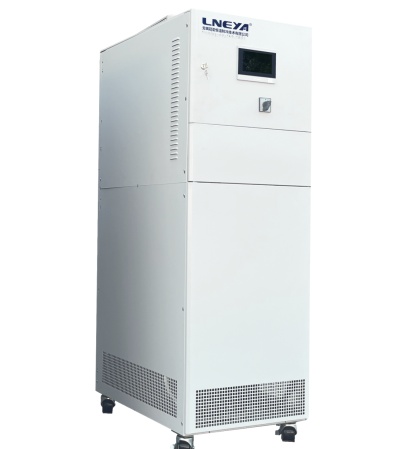
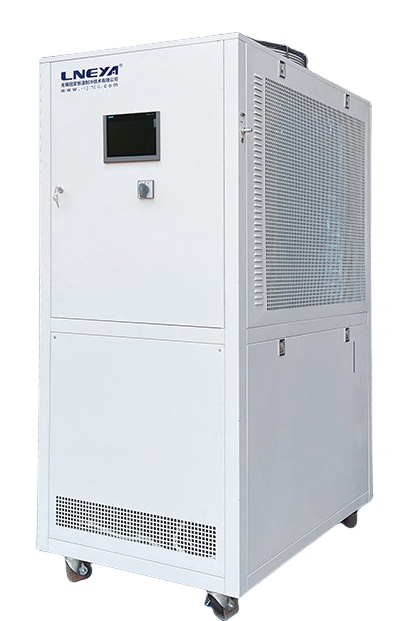
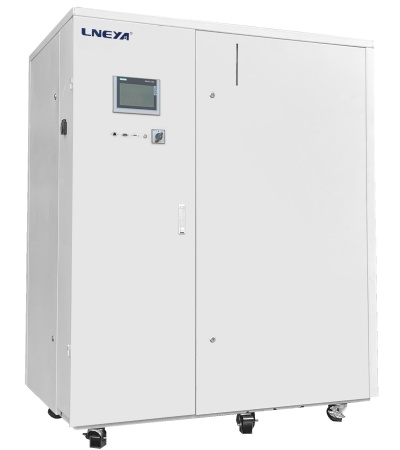
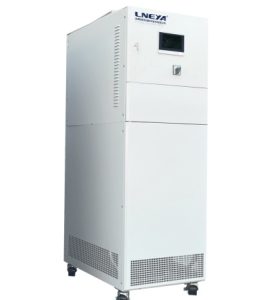
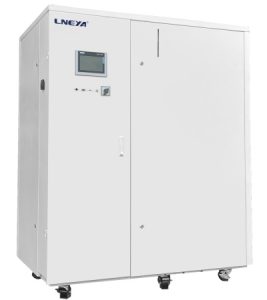
Chiller Manufacturers in Canada Overview of the Canadian Chiller Manufacturing Industry The chiller manufacturing industry in Canada is a significant part of the country’s industrial and commercial HVAC (Heating, Ventilation, and Air Conditioning) sector. With a diverse economy that encompasses sectors like manufacturing, healthcare, data centers, and commercial real estate, the demand for efficient and reliable cooling solutions is high. This has led to the growth of a robust chiller manufacturing community in Canada.
Canada’s chiller manufacturers are recognized globally for their technological advancements, quality craftsmanship, and commitment to energy efficiency. The industry benefits from a well – educated and skilled workforce, as well as a supportive research and development ecosystem. Canadian manufacturers often collaborate with academic institutions and research centers to develop new cooling technologies, improve existing products, and meet the evolving needs of their customers. Types of Chillers Manufactured in Canada Centrifugal Chillers Centrifugal chillers are commonly used in large – scale commercial and industrial applications in Canada. They work on the principle of centrifugal force to compress the refrigerant. These chillers are capable of producing high cooling capacities, typically ranging from 100 to 10,000 tons or more. They are highly efficient at full load and are often used in buildings such as skyscrapers, hospitals, and large manufacturing plants. In Canada, centrifugal chiller manufacturers continuously improve the design and performance of these units. They incorporate features such as variable – speed drives, advanced heat exchanger designs, and intelligent control systems to enhance energy efficiency, reduce operating costs, and improve overall reliability. Screw Chillers Screw chillers are widely used in a variety of applications in Canada due to their versatility and energy – saving capabilities. These chillers use a pair of intermeshing screws to compress the refrigerant. Screw chillers can handle a wide range of cooling loads, from small – to medium – sized commercial buildings to industrial processes. They offer good part – load efficiency, which means they can operate efficiently even when the cooling demand is not at its maximum. Canadian manufacturers of screw chillers focus on improving the compressor design, enhancing heat transfer, and developing advanced control algorithms to optimize the performance of these units. Reciprocating Chillers Reciprocating chillers are suitable for smaller – scale applications in Canada, such as small commercial buildings, restaurants, and retail stores. These chillers use reciprocating compressors, which consist of pistons that move back and forth within cylinders to compress the refrigerant. Reciprocating chillers are relatively simple in design, making them cost – effective and easy to maintain. Canadian manufacturers of reciprocating chillers ensure that these units meet the necessary safety and performance standards, while also incorporating features to improve energy efficiency and reliability.
Absorption Chillers Absorption chillers are becoming increasingly popular in Canada, especially in applications where there is a readily available source of thermal energy. These chillers use a heat – driven process to absorb and release refrigerant, rather than relying on mechanical compression like other types of chillers. They can be powered by natural gas, steam, or waste heat from industrial processes or CHP systems. Absorption chillers are an environmentally friendly option as they can reduce the reliance on electricity for cooling, thereby decreasing greenhouse gas emissions. Canadian manufacturers of absorption chillers are constantly working on improving the efficiency and performance of these units to make them more competitive in the market. Market Applications of Canadian – Manufactured Chillers Commercial Buildings Commercial buildings such as offices, shopping malls, hotels, and convention centers in Canada rely heavily on chillers for cooling. These buildings require reliable and efficient cooling systems to maintain a comfortable indoor environment for occupants. Canadian – manufactured chillers are used to meet the cooling demands of these buildings, whether it’s a large – scale skyscraper using a centrifugal chiller or a medium – sized office building with a screw chiller. Manufacturers often customize the chiller systems to fit the specific requirements of each building, taking into account factors such as building size, occupancy levels, and local climate conditions. In addition, energy – efficient chillers are in high demand in commercial buildings as they help reduce operating costs and meet sustainability goals. Healthcare Facilities Hospitals, clinics, and other healthcare facilities in Canada need precise temperature and humidity control to ensure the proper storage of medical supplies, the comfort of patients, and the optimal functioning of medical equipment. Chillers play a crucial role in maintaining these conditions. Canadian – manufactured chillers are designed to meet the strict requirements of healthcare facilities. They are often equipped with redundant systems to ensure continuous operation in case of a breakdown, as any interruption in cooling can have serious consequences for patient care and the integrity of medical supplies. Additionally, these chillers are designed to operate quietly to minimize disruption in patient areas. Data Centers Data centers are critical infrastructure in Canada, and they generate a significant amount of heat due to the continuous operation of servers and other IT equipment. Efficient cooling is essential to prevent overheating, which can lead to equipment failure and data loss. Canadian chiller manufacturers offer specialized cooling solutions for data centers. These solutions often include high – performance chillers with advanced control systems that can precisely regulate the temperature and humidity within the data center. Some chillers are designed to work in conjunction with free – cooling technologies, such as air – side economizers, to further reduce energy consumption during periods of lower ambient temperatures. Industrial Processes The manufacturing and industrial sectors in Canada also rely on chillers for various processes. For example, in food and beverage production, chillers are used to cool products during processing, storage, and transportation to maintain product quality and safety. In the pharmaceutical industry, precise temperature control is essential for the production and storage of drugs, and chillers play a vital role in achieving this. Canadian – manufactured industrial chillers are designed to withstand harsh operating conditions and are often customized to meet the specific requirements of each industrial process. They are built with durable components and advanced control systems to ensure reliable operation and efficient cooling.
Energy Efficiency and Environmental Considerations Energy efficiency is a key focus for Canadian chiller manufacturers. With the increasing cost of energy and growing concerns about environmental sustainability, there is a strong demand for chillers that consume less energy. Canadian manufacturers are constantly researching and developing new technologies to improve the energy efficiency of their chillers. Many chillers produced in Canada are designed to meet or exceed industry – recognized energy efficiency standards, such as the ASHRAE (American Society of Heating, Refrigerating and Air – Conditioning Engineers) standards. These standards set minimum requirements for chiller performance, including energy efficiency ratings, to ensure that the equipment is operating as efficiently as possible. In addition to energy efficiency, environmental considerations are also important for Canadian chiller manufacturers. The use of ozone – depleting refrigerants has been phased out in line with international agreements such as the Montreal Protocol. Canadian manufacturers now use environmentally friendly refrigerants that have a low global warming potential (GWP). Some manufacturers are also exploring the use of alternative cooling technologies, such as absorption chillers powered by renewable energy sources or waste heat, to further reduce the environmental impact of their products. These efforts not only help protect the environment but also position Canadian chiller manufacturers as leaders in sustainable cooling solutions. Research and Development in the Canadian Chiller Manufacturing Industry Research and development (R&D) is a crucial aspect of the Canadian chiller manufacturing industry. Manufacturers invest heavily in R&D to stay competitive in the global market and to meet the evolving needs of their customers. Canadian chiller manufacturers collaborate with universities, research institutions, and industry partners to develop new cooling technologies, improve existing products, and find solutions to emerging challenges. For example, research is being conducted on advanced heat transfer materials, more efficient compressors, and intelligent control systems that can optimize chiller performance. In addition, there is a focus on developing chillers that can operate more effectively in different climate conditions, especially in Canada’s diverse and sometimes extreme weather. R&D efforts also aim to make chillers more user – friendly, with features such as remote monitoring and diagnostics, which allow for easier maintenance and troubleshooting. Challenges Faced by Canadian Chiller Manufacturers Despite its many strengths, the Canadian chiller manufacturing industry also faces several challenges. One of the main challenges is global competition. Chiller manufacturers from other countries, especially those in Asia and Europe, offer products at competitive prices. Canadian manufacturers need to continuously innovate and improve the quality of their products to remain competitive in the global market. Another challenge is the increasing complexity of regulations and standards. As environmental and safety concerns grow, there are more stringent regulations regarding chiller design, operation, and refrigerant use. Canadian manufacturers need to ensure that their products comply with these regulations, which can add to the cost and complexity of production. The availability of skilled labor is also a concern for the industry. As technology advances, there is a need for workers with specialized skills in areas such as advanced manufacturing, electronics, and software development. Finding and retaining these skilled workers can be a challenge for Canadian chiller manufacturers. Future Outlook for Canadian Chiller Manufacturers The future of Canadian chiller manufacturers looks promising, despite the challenges they face. With the increasing demand for energy – efficient and sustainable cooling solutions, there is a growing market for high – quality chillers in Canada and globally. Canadian manufacturers are well – positioned to capitalize on this trend due to their focus on innovation, research and development, and environmental sustainability. The development of new technologies, such as smart chillers with advanced control systems and the use of renewable energy sources for cooling, will likely drive the growth of the industry. In addition, as Canada continues to invest in infrastructure, such as data centers, commercial buildings, and industrial facilities, the domestic demand for chillers is expected to remain strong. Canadian chiller manufacturers will also have opportunities to expand their international presence by leveraging their technological expertise and high – quality products. Overall, the Canadian chiller manufacturing industry is expected to continue to evolve and grow, contributing to the country’s economy and meeting the cooling needs of various sectors both at home and abroad.
The Most Efficient Portable Heaters: A Comprehensive Overview
Portable heaters are essential for providing additional warmth in specific areas, especially during the colder months. Efficiency in a portable heater is determined by its ability to heat a space quickly, maintain a consistent temperature, and operate safely with minimal energy consumption. This article will explore the features, types, and specific models of portable heaters that are considered the most efficient based on performance, safety, and user reviews.
Types of Portable Heaters and Their Efficiency
Portable heaters come in various types, each with its own advantages and efficiency levels:
Ceramic Heaters: These heaters use a ceramic element to generate heat and are known for their quick warm-up times and energy efficiency. They are also quiet and lightweight, making them portable and convenient.
Oil-Filled Radiators: These heaters take longer to heat up but provide consistent, efficient heat over time. They are ideal for larger rooms and are considered one of the safest types due to the oil retaining heat even after the unit is switched off.
Infrared Heaters: Infrared heaters use infrared radiation to directly heat objects and people, offering quick heat in a focused area. They are energy-efficient and have a longer lifespan compared to other types of heaters.
Halogen Heaters: These provide instant heat and are ideal for small areas. However, they cool down quickly when switched off and can be less energy-efficient in the long run.
Efficient Portable Heater Models
Based on testing and user reviews, the following models are recognized for their efficiency:
Dreo Solaris 718 Space Heater: This heater is praised for its elegant design, impressive heating capability, and affordability. It heats spaces quickly, efficiently, and quietly, with a touch-control panel and remote control for ease of use. It also features an auto-shutoff function that turns it off 20 seconds after falling out of place, adding to its safety.
Lasko Ellipse Ceramic Tabletop Heater: This budget-friendly option performs well in small rooms and is capable of taking on larger spaces. It heats fairly evenly and remains relatively quiet, with a child-lock feature adding an extra layer of safety.
Lasko CW210 Bladeless Tower Space Heater: Recommended for its sleek design and quick heating of large areas, this heater uses a multi-vane impeller for quiet operation and features a cleanable air filter. It also includes a remote control and an eight-hour timer.
Safety Features in Portable Heaters
Safety is a critical consideration when choosing a portable heater. Key safety features to look for include:
Automatic Shut-Off: This feature turns off the heater if it overheats or tips over, preventing potential fires.
Overheat Protection: Essential for preventing the heater from becoming a fire hazard.
Thermostat: A built-in thermostat helps regulate the heat, ensuring energy efficiency and preventing the heater from overheating.
Cool-Touch Surface: Especially important for halogen heaters, which can have external elements that get very hot.
Conclusion
The most efficient portable heaters are those that balance heating capacity, energy efficiency, and safety. Models like the Dreo Solaris 718 and Lasko Ellipse Ceramic Tabletop Heater stand out for their performance and user-friendly features. When selecting a portable heater, consider the type of heater, its efficiency in heating your specific space, and the safety features it offers to ensure you make the best choice for your needs.
The temperature of a chiller is a critical parameter that influences the performance, efficiency, and environmental impact of cooling systems. This article discusses the significance of chiller temperatures, industry standards, and the impact of temperature settings on chiller efficiency. It also explores the optimal temperature ranges for different applications and the role of advanced technologies in achieving precise temperature control. The article aims to provide a comprehensive understanding of chiller temperatures and their importance in sustainable cooling solutions.
This article provides an in-depth look at industrial process cooling systems. It starts by defining what these systems are and their critical role in various industrial processes. Different types of industrial process cooling systems, such as air cooling, water cooling, and refrigeration-based systems, are introduced, along with their working principles, advantages, and limitations. Key considerations when choosing a cooling system, including cooling capacity, energy efficiency, and cost, are discussed. The article also covers aspects of installation, maintenance, and troubleshooting. By understanding these elements, industries can select and operate the most suitable cooling system to ensure smooth and efficient production while meeting quality and safety standards.
The term "chiller temp" refers to the temperature settings and control within a chiller system, which is crucial for maintaining optimal conditions in various industrial and commercial processes. Chiller systems can be air-cooled or water-cooled, with each having specific temperature requirements for efficient operation. This article will discuss the importance of temperature control in chiller systems, the factors affecting chiller temperatures, and the impact of these temperatures on overall system performance.
 Industrial Chiller Heater Equipment Supplier-LNEYA