Combined Heating and Cooling Systems: An In – Depth Look I. Introduction In an era of increasing energy awareness and the need for sustainable solutions, combined heating and cooling systems have emerged as a significant technology. These systems break away from the traditional model of separate production of electricity, heating, and cooling, integrating these processes to achieve greater energy efficiency. By simultaneously generating electricity and making use of the waste heat for heating or cooling purposes, they offer a more holistic approach to energy management.
II. Working Principles A. Electricity Generation Most combined heating and cooling systems start with an electricity – generation process. This can be achieved through various means. For example, in a reciprocating engine – based system, a fuel (such as natural gas, diesel, or biogas) is burned in the engine cylinders. The combustion process creates mechanical energy, which is then converted into electrical energy using an alternator. In a gas turbine system, compressed air is mixed with fuel and burned in a combustion chamber. The high – temperature, high – pressure gases produced expand through a turbine, driving the turbine shaft. This shaft is connected to a generator, producing electricity. B. Heat Recovery Once electricity is generated, the waste heat from the electricity – generation process is captured. In a reciprocating engine, the heat is recovered from the engine coolant, exhaust gases, or both. The hot engine coolant can be used directly for heating purposes, such as warming water for a building’s heating system. The exhaust gases, which are typically at high temperatures, can be passed through a heat exchanger. In the heat exchanger, the heat from the exhaust gases is transferred to a fluid (usually water or a water – glycol mixture), which can then be used for heating or, with the addition of an absorption chiller, for cooling. In a gas turbine system, the exhaust gases, which are still at a relatively high temperature after passing through the turbine, are directed to a heat recovery steam generator (HRSG). In the HRSG, the heat from the exhaust gases is used to produce steam. This steam can be used for industrial processes, heating buildings, or can be further utilized in an absorption chiller to generate cooling. C. Cooling Generation (Optional) When cooling is required, an absorption chiller can be integrated into the system. Absorption chillers use heat as an energy source instead of mechanical energy like traditional vapor – compression refrigeration systems. In an absorption chiller, a refrigerant (usually water in large – scale applications) is absorbed into a solution (such as lithium bromide – water solution). Heat from the recovered waste heat is then used to drive the refrigerant out of the solution. The refrigerant vapor is then condensed, and the latent heat of condensation is removed. The liquid refrigerant is then expanded and evaporated, absorbing heat from the space or fluid to be cooled, thus providing cooling. III. Types of Combined Heating and Cooling Systems A. Reciprocating Engine – Based Systems Advantages High electrical efficiency at partial loads. Reciprocating engines can operate efficiently even when the electricity demand is not at its maximum, which is often the case in many applications. They are relatively easy to maintain as the technology is well – established, and parts are widely available. Good for small – to – medium – scale applications, such as individual commercial buildings or small industrial facilities. Disadvantages
They produce more noise and vibration compared to some other types of systems, which may be a concern in certain environments. The exhaust emissions, if not properly treated, can be relatively high, especially for engines running on diesel fuel. B. Gas Turbine – Based Systems Advantages High power output capacity, making them suitable for large – scale applications like industrial complexes and large commercial buildings. They have a relatively quick start – up time, which can be beneficial in situations where rapid power generation is required. The exhaust gases have a high temperature, which allows for efficient heat recovery, leading to high overall energy efficiency. Disadvantages They are more expensive to install compared to reciprocating engine – based systems due to the more complex technology involved. Their electrical efficiency at partial loads is generally lower than that of reciprocating engines. C. Absorption Chiller – Integrated Systems Advantages Can use low – grade heat sources, such as waste heat from industrial processes or the exhaust of a CHP system. This makes them very efficient in utilizing otherwise wasted energy. They are quieter in operation compared to vapor – compression cooling systems as they do not have large mechanical compressors. They can be integrated well with existing heating systems, providing a seamless combination of heating and cooling. Disadvantages They have a lower coefficient of performance (COP) compared to some high – efficiency vapor – compression cooling systems under certain conditions. However, when considering the use of waste heat, the overall energy savings can still be significant. The initial cost of installing an absorption chiller can be high, especially for larger – capacity units. IV. Benefits of Combined Heating and Cooling Systems A. Energy Efficiency By using the waste heat that would otherwise be discarded in traditional power – generation systems, combined heating and cooling systems can achieve overall energy efficiencies of up to 80% or more. In contrast, a typical power – only plant may have an efficiency of around 30 – 40%. This means that for the same amount of fuel input, more useful energy (both electricity and thermal energy) is produced, reducing the overall energy consumption. B. Cost Savings Reduced Energy Bills Since these systems produce their own electricity and use waste heat for heating and cooling, they can significantly reduce the reliance on purchased electricity and fossil – fuel – based heating and cooling sources. This can lead to substantial savings on energy bills, especially for large – scale consumers such as industrial plants and commercial buildings. Lower Maintenance Costs in Some Cases
In some integrated systems, the combined use of components for heating, cooling, and electricity generation can lead to economies of scale in maintenance. For example, a single maintenance crew may be able to service all the components of a CHP system, reducing the overall maintenance cost compared to having separate systems for electricity, heating, and cooling. C. Environmental Benefits Reduced Greenhouse Gas Emissions Due to their higher energy efficiency, combined heating and cooling systems produce fewer greenhouse gas emissions per unit of useful energy output. By using waste heat and reducing the need for additional fuel consumption in separate heating and cooling systems, they contribute to lower carbon dioxide, nitrogen oxide, and sulfur oxide emissions. Decreased Air Pollution In some cases, especially when using cleaner fuels like natural gas or biogas, and with proper emission control technologies, these systems can also reduce other forms of air pollution, such as particulate matter, compared to traditional heating and power – generation methods. D. Grid Support Enhanced Grid Stability Combined heating and cooling systems can act as distributed energy resources. During peak electricity demand periods, they can supply electricity to the grid, helping to relieve stress on the central power grid. Conversely, during off – peak periods, they can reduce their electricity production and focus more on providing heating or cooling, thus improving the overall stability of the electricity grid. Reduced Transmission and Distribution Losses Since these systems are often located close to the point of energy consumption (such as in a building or an industrial facility), the need for long – distance transmission of electricity is reduced. This, in turn, decreases the transmission and distribution losses associated with moving electricity from power plants to consumers. V. Applications of Combined Heating and Cooling Systems A. Commercial Buildings Hotels Hotels have significant demands for both heating and cooling, as well as a continuous need for electricity to power lights, appliances, and other equipment. A combined heating and cooling system can provide hot water for guest rooms, heating for common areas in winter, and cooling for rooms and public spaces in summer. The electricity generated can be used to meet the hotel’s internal power needs, reducing the amount of power purchased from the grid. Hospitals Hospitals require a reliable and continuous supply of both electricity and thermal energy. The heating is needed for hot water for patient care, sterilization processes, and maintaining comfortable indoor temperatures. Cooling is essential for operating theaters, laboratories, and storage of medical supplies. A combined heating and cooling system can ensure a stable and efficient supply of these energy needs, while also providing a backup power source in case of grid outages. B. Industrial Facilities Food and Beverage Industry In food and beverage production, there are large requirements for heating (for cooking, pasteurization, etc.) and cooling (for refrigeration and freezing). Combined heating and cooling systems can be used to provide the necessary heat and cold, while also generating electricity for running production equipment. The waste heat from the electricity – generation process can be directly used in the heating processes, reducing the overall energy consumption. Manufacturing Plants Many manufacturing processes require precise temperature control, which often involves both heating and cooling. For example, in the electronics manufacturing industry, components need to be kept at specific temperatures during production. A combined heating and cooling system can meet these temperature – control needs while also generating electricity, which can be used to power the manufacturing equipment, lights, and other electrical loads within the plant. C. Residential Communities Large – Scale Housing Developments In some large – scale housing developments, a centralized combined heating and cooling system can be installed. This system can provide heating and cooling to individual homes, as well as generate electricity. The electricity can be distributed to the homes within the development, reducing the reliance on the external power grid. This approach can also lead to cost savings for the residents through more efficient energy management. Multi – Family Buildings Apartment buildings and condominiums often have common areas that require heating and cooling, as well as individual units. A combined heating and cooling system can be designed to meet the energy needs of both the common areas and the individual units, providing a more cost – effective and energy – efficient solution compared to having separate heating and cooling systems for each unit. In conclusion, combined heating and cooling systems offer a wide range of benefits, from improved energy efficiency and cost savings to environmental advantages and grid support. With the right technology selection and proper system design, these systems can be successfully implemented in various applications, contributing to a more sustainable and energy – efficient future.
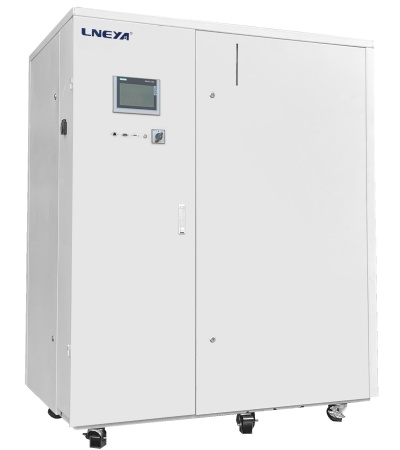
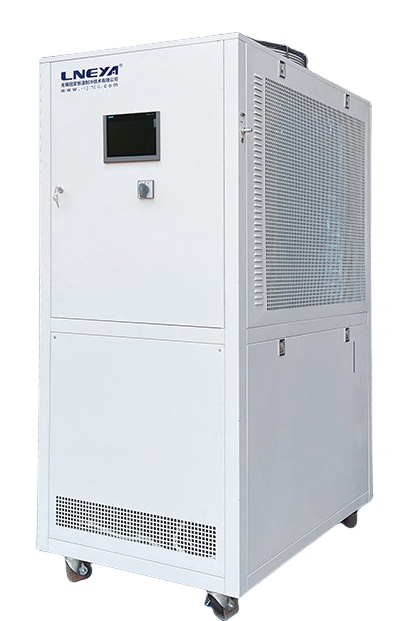
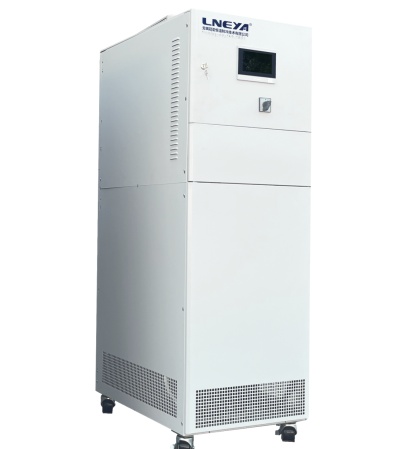
Heat reclaim chillers, also known as heat recovery chillers, are advanced cooling systems that not only provide refrigeration but also recover and reuse the heat generated during the cooling process. This dual - function design significantly improves energy efficiency, reduces operating costs, and minimizes environmental impact. There are different types of heat reclaim chillers, including water - cooled and air - cooled models, each with its own characteristics and application scenarios. These chillers find extensive use in various industries such as commercial buildings, hospitals, and data centers. Understanding their working principles, benefits, installation, operation, and maintenance requirements is crucial for maximizing their performance and lifespan. This article will provide a detailed exploration of heat reclaim chillers from multiple perspectives.
Heat reclaim chillers represent a significant advancement in HVAC (Heating, Ventilation, and Air Conditioning) technology. At their core, these chillers operate on the vapor - compression refrigeration cycle, similar to traditional chillers. However, the key difference lies in the heat recovery mechanism.
A glycol water chiller is an industrial process chiller that utilizes a glycol-water mixture as a coolant, providing consistent cooling temperatures for various applications. This article covers the types of glycol chillers, their applications in industries like food processing and HVAC, efficiency, safety considerations, industry standards, maintenance, technological advancements, environmental impact, and energy efficiency. It also touches on market analysis and industry trends, offering a comprehensive overview of glycol chiller systems.
A 60-ton air-cooled chiller is a significant piece of HVAC equipment designed for medium to large-scale cooling needs. The abstract provides an overview of these chillers, highlighting their cooling capacity, the use of ambient air for heat rejection, and the importance of selecting the appropriate chiller based on specific requirements. It also discusses the impact of chiller efficiency, maintenance, and environmental considerations on the overall performance and sustainability of the cooling process.
Thermal cycling equipment is utilized in various industries to test the endurance of materials and products under temperature fluctuations. These systems simulate real-world temperature changes to assess the reliability and performance of components. The technology behind thermal cycling involves precise thermal forcing capabilities and temperature characterization, with applications in electronics, automotive, aerospace, and more. This article discusses the importance, technology, and applications of thermal cycling equipment.
 Industrial Chiller Heater Equipment Supplier-LNEYA