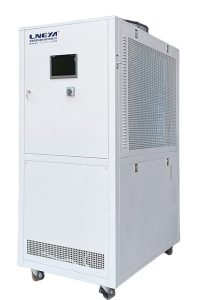
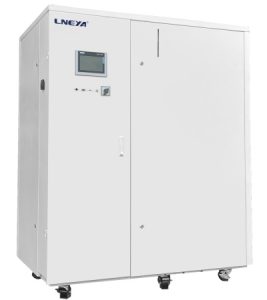
Thermal Cycling Equipment: Applications and Technologies
Thermal cycling equipment plays a crucial role in ensuring the reliability and performance of materials and products by subjecting them to controlled temperature changes. This process, known as thermal cycling, is essential for quality control and product development across various industries.
Importance of Thermal Cycling Equipment
Thermal cycling equipment is vital for testing the thermal endurance and stability of components, materials, and systems. It helps identify potential failure points due to thermal stress, which is critical in industries such as electronics, automotive, aerospace, and more. By simulating real-world temperature fluctuations, these systems provide valuable insights into product performance and durability.
Technology Behind Thermal Cycling
The technology behind thermal cycling equipment involves precise control of temperature changes to simulate various environmental conditions. Systems like the ThermalAir TA-5000B and TA-3000A from MPI offer high-capacity thermal air stream systems for temperature testing, fast thermal cycling, and device temperature characterization of components, hybrids, modules, PCBs, and other electronic and non-electronic assemblies at precise temperatures ranging from -65°C to +225°C.
These systems use thermal air streams to provide precise thermal forcing and temperature testing capabilities for electronic and non-electronic components. The ability to rapidly change temperatures and characterize device responses under these conditions is crucial for product development and quality assurance.
Applications of Thermal Cycling Equipment
Thermal cycling equipment has a wide range of applications:
Electronics and Semiconductor Testing: It is used to test the reliability of semiconductor devices, automotive sensors, fiber optic components, and microwave hybrids under temperature variations.
Automotive Industry: Components such as engine parts, sensors, and electronic control units are subjected to thermal cycling to ensure they can withstand the temperature extremes they may encounter in real-world use.
Aerospace and Defense: Materials and systems used in aerospace applications must endure extreme temperature changes. Thermal cycling equipment simulates these conditions to validate the performance and safety of these critical components.
Research and Development: In material science, thermal cycling is used to study the behavior of new materials under temperature stress, aiding in the development of more robust and reliable materials.
Conclusion
Thermal cycling equipment is an essential tool in the arsenal of quality assurance and product development. It enables industries to test the thermal endurance of products and materials, ensuring their reliability and performance under real-world conditions. As technology advances, thermal cycling equipment continues to evolve, providing more precise and efficient testing capabilities, which are vital for the development of high-quality products that can withstand the test of time and temperature.
Gas treatment refers to the processes used to purify, modify, or condition gases for industrial, environmental, and commercial applications. Key aspects include:
Purpose: Removes impurities (e.g., H₂S, CO₂, moisture), adjusts composition, and ensures compliance with safety/environmental standards.
Common Methods: Absorption (amine scrubbing), adsorption (activated carbon), membrane separation, cryogenic distillation, and catalytic conversion.
Applications: Used in natural gas processing, biogas upgrading, flue gas desulfurization, and hydrogen purification.
Benefits: Enhances gas quality, reduces emissions, improves combustion efficiency, and prevents equipment corrosion.
Challenges: High energy consumption, chemical handling risks, and cost of advanced technologies.
This guide explores gas treatment techniques, their mechanisms, and industry applications in detail.
Heating and cooling products are essential devices designed to regulate the temperature of spaces, substances, or systems, ensuring comfort and proper functioning across various environments. Common heating products include electric heaters, gas furnaces, and thermal fluid heaters, while cooling products range from air conditioners and chillers to fans and refrigeration units. These products operate based on different principles such as resistive heating, vapor - compression cycles, and evaporative cooling. They find applications in residential, commercial, and industrial settings, from maintaining cozy indoor temperatures at home to controlling the climate in large buildings and optimizing industrial processes. When choosing heating and cooling products, factors like energy efficiency, capacity, safety, and environmental impact should be carefully evaluated.
Efficient heating and cooling are vital for energy conservation and comfort in residential, commercial, and industrial settings. This article outlines the principles of energy-efficient heating and cooling systems, including heat pumps, variable refrigerant flow, and smart controls. It discusses the impact of insulation, proper sizing, and regular maintenance on system efficiency. The article also explores the role of government incentives, energy labels, and the latest technological advancements in enhancing efficiency and reducing environmental impact.
Liquid chiller systems are essential cooling solutions in various industries. They operate based on the refrigeration cycle, where a refrigerant extracts heat from a liquid medium, typically water or a water - glycol mixture, and expels it to the environment. These systems consist of key components like compressors, condensers, expansion valves, and evaporators. Liquid chiller systems are known for their high - efficiency heat transfer due to the superior thermal properties of liquids. They find applications in commercial buildings for HVAC, industrial processes such as manufacturing and power generation, and medical and laboratory facilities. Understanding their operation, types, applications, and maintenance requirements is crucial for optimizing cooling performance.
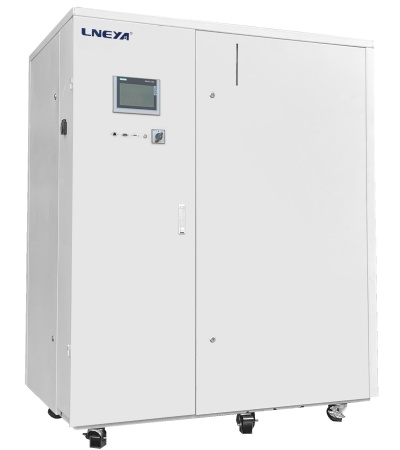
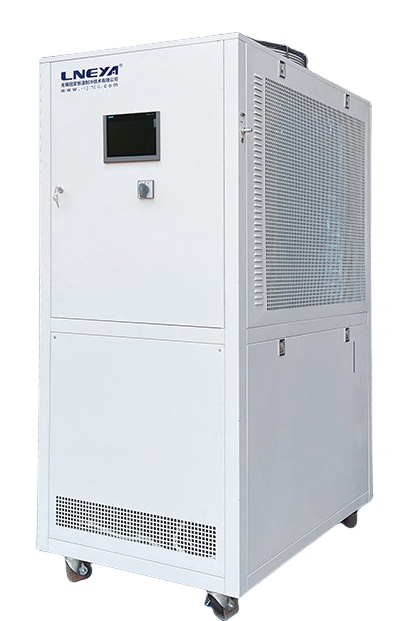
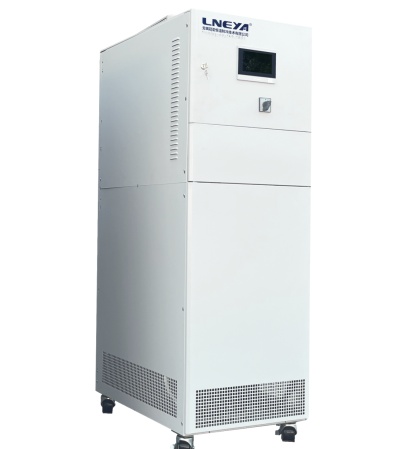
 Industrial Chiller Heater Equipment Supplier-LNEYA