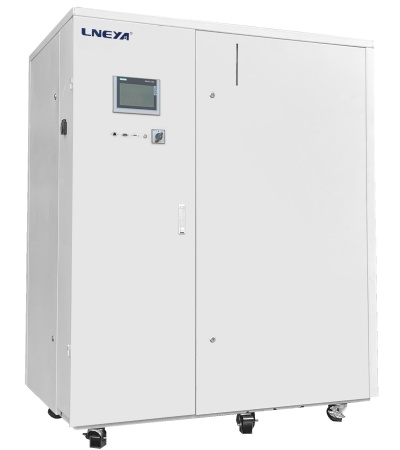
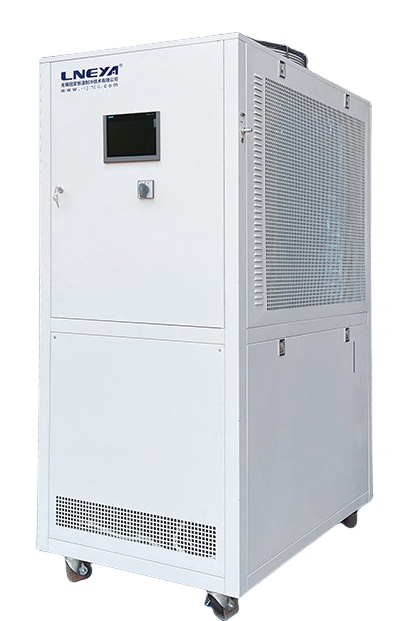
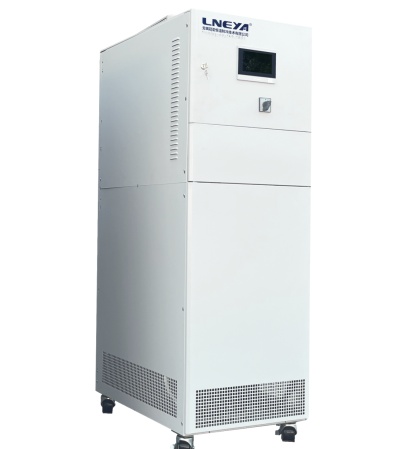
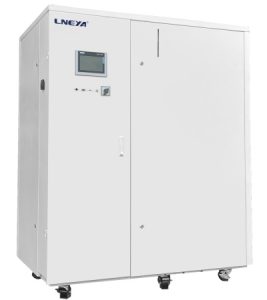
Water – cooled chiller price lists are essential tools for those in the market for these cooling systems. A water – cooled chiller price list details the costs associated with different models of water – cooled chillers, which are used to remove heat from various industrial, commercial, and even some residential applications. By understanding these price lists, potential buyers can make more informed decisions about which chiller best suits their needs and budget.
Factors Affecting Water – Cooled Chiller Prices Capacity Cooling Capacity Measurement Water – cooled chillers are rated by their cooling capacity, typically measured in tons of refrigeration (TR) or kilowatts (kW). One ton of refrigeration is equivalent to the amount of heat required to melt one ton of ice in 24 hours, which is approximately 3.517 kW. Larger capacity chillers can handle more significant heat loads. Price – Capacity Relationship Generally, as the cooling capacity of a water – cooled chiller increases, so does its price. For example, a small – capacity chiller with a rating of 5 – 10 TR, suitable for a small office or a single – room laboratory, may cost between 5,000−15,000. In contrast, a large – capacity chiller with a rating of 500 – 1000 TR, used in large industrial plants or commercial complexes, can cost upwards of $200,000. This is because larger capacity chillers require more robust components, larger heat exchangers, and more powerful compressors. Refrigerant Type Common Refrigerants
Water – cooled chillers can use different types of refrigerants, such as R – 410A, R – 134a, and ammonia (R – 717). R – 410A is a popular choice for many applications due to its relatively high efficiency and low ozone – depletion potential. R – 134a is also widely used, especially in applications where low – toxicity and non – flammability are crucial. Ammonia, on the other hand, is often used in large – scale industrial applications because of its high efficiency and low cost. Refrigerant – Related Costs The type of refrigerant used can impact the price of the chiller. Refrigerants with special properties, such as those with lower environmental impact or higher efficiency, may be more expensive. For instance, chillers using natural refrigerants like ammonia may have a lower initial cost for the refrigerant itself compared to some synthetic refrigerants. However, ammonia – based systems require more safety features, which can increase the overall cost of the chiller. Brand and Quality Reputation and R & D Investment Well – established brands in the chiller market often command higher prices. These brands have invested significantly in research and development (R & D) to improve the efficiency, reliability, and performance of their products. They also have a reputation for providing better customer service and after – sales support. For example, a chiller from a leading global brand may cost 10 – 30% more than a similar – capacity chiller from an unknown or less – established brand. Quality of Components High – quality components used in the construction of water – cooled chillers also contribute to the price. Components such as compressors, condensers, and evaporators made from premium materials and with advanced manufacturing techniques are more durable and efficient. For instance, a chiller with a compressor made by a renowned manufacturer known for its reliability and energy – efficiency will likely be more expensive than one with a lower – quality compressor. Additional Features
Advanced Control Systems Some water – cooled chillers come with advanced control systems that allow for precise temperature control, energy – saving features, and remote monitoring. These control systems can increase the cost of the chiller. For example, a chiller with a variable – frequency drive (VFD) for its compressor can adjust the compressor’s speed according to the cooling load, reducing energy consumption. Such a chiller with a VFD may cost an additional 15 – 25% compared to a chiller without this feature. Noise – Reduction Features In applications where noise is a concern, such as in hospitals or office buildings, chillers with noise – reduction features are preferred. These features can include special insulation materials, quieter fans, and vibration – dampening components. Chillers with these noise – reduction features will generally be more expensive than standard models. Price Ranges for Different Types of Water – Cooled Chillers Small – Scale Commercial and Residential Chillers Capacity Range Small – scale water – cooled chillers typically have a capacity range of 1 – 20 TR. These are suitable for small – to – medium – sized commercial spaces like small restaurants, boutique hotels, or large residential homes. Price Range The price of these small – scale chillers can range from approximately 3,000to30,000. Basic models with lower capacities and fewer features will be at the lower end of the price range, while those with higher capacities, better – quality components, and additional features like advanced controls will be at the higher end. Medium – Scale Commercial and Industrial Chillers Capacity Range Medium – scale water – cooled chillers usually have a capacity range of 20 – 200 TR. They are used in applications such as medium – sized industrial plants, shopping malls, and multi – story office buildings. Price Range The price for these medium – scale chillers can vary from 20,000to150,000. The price is influenced by factors such as capacity, refrigerant type, brand, and additional features. For example, a 50 – TR chiller with a standard refrigerant and basic controls from a mid – range brand may cost around 40,000,whilea150−TRchillerwithanadvancedcontrolsystemandahigh−efficiencyrefrigerantfromawell−knownbrandcouldcostupwardsof 100,000. Large – Scale Industrial Chillers Capacity Range Large – scale water – cooled chillers have a capacity range of 200 TR and above. These are used in large industrial facilities, power plants, and large – scale data centers. Price Range These large – scale chillers can be extremely expensive, with prices starting at around $100,000 and going up to several hundred thousand dollars or more. The high cost is due to their large capacity requirements, the use of specialized components, and often the need for custom engineering to meet the specific needs of the industrial application. Understanding a Water – Cooled Chiller Price List Initial Purchase Price Base Price and Optional Add – ons The price list will first show the base price of the water – cooled chiller, which is the cost of the chiller without any additional features or accessories. Optional add – ons such as extra sensors for monitoring, enhanced insulation, or upgraded control panels will be listed separately with their respective costs. For example, a basic 30 – TR water – cooled chiller may have a base price of 35,000,andanupgradedcontrolpanelwithremotemonitoringcapabilitiesmaycostanadditional 3,000. Delivery and Installation Costs Some price lists may include delivery and installation costs, while others may show them separately. Delivery costs depend on the distance from the manufacturer or supplier to the installation site. Installation costs can vary depending on the complexity of the installation, such as the need for specialized plumbing or electrical work. For example, if the chiller needs to be installed in a multi – story building with limited access, the installation cost may be higher due to the need for additional equipment and labor. Long – Term Costs Energy Consumption Costs Although not directly shown on the price list, the energy consumption of the water – cooled chiller is an important long – term cost factor. Energy – efficient chillers with a high coefficient of performance (COP) will consume less electricity over time, resulting in lower energy costs. For example, a chiller with a COP of 4.0 will consume less energy than one with a COP of 3.0 for the same cooling load. Over a 10 – year period, the difference in energy costs can be significant. Maintenance and Repair Costs Regular maintenance is required to keep the water – cooled chiller operating efficiently. Maintenance costs include tasks such as filter replacements, refrigerant top – ups, and component inspections. The price list may not include these costs, but it’s important to consider them. Some brands may have lower maintenance costs due to the availability of spare parts and the simplicity of their design. For example, a chiller with easily accessible components for maintenance may require less labor time and thus lower maintenance costs compared to a more complex model. Comparing Water – Cooled Chiller Price Lists Gathering Multiple Price Lists Sources of Price Lists Potential buyers can obtain water – cooled chiller price lists from various sources. Manufacturers’ websites are a primary source, where they often provide detailed price information for their product lines. Distributors and dealers can also provide price lists, and they may sometimes offer different pricing due to volume discounts or special promotions. Online marketplaces that deal with industrial equipment may also have price lists for different brands and models of water – cooled chillers. Ensuring Comparability When gathering price lists, it’s important to ensure that the chillers being compared are similar in terms of capacity, refrigerant type, and basic features. Comparing a 50 – TR chiller with a 100 – TR chiller without adjusting for capacity differences will not give an accurate picture of the price competitiveness. Similarly, comparing chillers with different refrigerant types without considering the associated costs and performance differences can lead to incorrect conclusions. Analyzing the Differences Price – Feature Ratio Analyze the price – feature ratio of each chiller on the price lists. A chiller with a slightly higher price but more advanced features, such as better energy – efficiency or more precise temperature control, may be a better long – term investment. For example, if Chiller A costs
50,000andhasabasiccontrolsystem,whileChillerBcosts 55,000 but has an advanced control system that can save 10% on energy consumption over its lifespan, Chiller B may be the more cost – effective choice in the long run. Total Cost of Ownership Calculate the total cost of ownership for each chiller, taking into account not only the initial purchase price but also the long – term costs of energy consumption, maintenance, and potential repair costs. This comprehensive analysis will help in making a more informed decision. For example, a chiller with a lower initial purchase price but higher energy and maintenance costs may end up being more expensive over its lifespan compared to a chiller with a higher upfront cost but lower long – term costs. Conclusion Water – cooled chiller price lists are complex documents that require careful consideration. By understanding the factors that influence prices, the price ranges for different types of chillers, how to interpret the price lists, and how to compare them, potential buyers can make well – informed decisions. Whether it’s for a small – scale commercial application or a large – scale industrial project, choosing the right water – cooled chiller based on a comprehensive understanding of the price list can lead to significant savings in the long run and ensure optimal cooling performance.
A 60 kW chiller is an industrial-strength cooling system designed for applications with significant cooling demands. These chillers are available in various configurations, such as air-cooled or water-cooled, and can be used in a range of industries. The article will discuss the features, efficiency, and applications of 60 kW chillers, including their use in data centers and industrial processes. It will also cover the importance of selecting the right chiller based on factors like energy efficiency, capacity, and environmental impact.
Lab heating equipment is crucial for various laboratory procedures. This article details its different types, functions, applications, and important considerations. There are dry baths, hot plates, heating mantles, and ovens. Dry baths precisely control sample temperatures. Hot plates are versatile for heating solutions. Heating mantles are designed for round - bottom flasks. Ovens are used for tasks like sterilization and drying. These are applied in chemical synthesis, biological culturing, and material analysis. When choosing equipment, factors like temperature range, accuracy, safety features, and compatibility with samples must be considered. Proper maintenance, including regular cleaning and calibration, is also vital for optimal performance.
Chillers cooling systems are crucial for maintaining optimal temperatures in various industrial and commercial applications. This article offers a comprehensive overview of such systems. It commences with an explanation of the fundamental working principles, including vapor compression and absorption cycles. The key components like compressors, condensers, evaporators, and expansion valves are then elaborated, highlighting their functions within the system. Subsequently, the diverse applications across sectors such as manufacturing, data centers, and healthcare are explored, emphasizing how these systems enhance operational efficiency and product quality. Additionally, factors influencing system selection, like cooling capacity, energy efficiency, and environmental impact, are analyzed. By the end, readers will possess a profound understanding of chillers cooling systems, equipping them to make informed decisions regarding their implementation and maintenance.
Portable chiller manufacturers are companies that specialize in the production of mobile cooling systems, which are vital for various industries requiring temperature control. This summary provides an overview of the key manufacturers, their product specifications, and market applications. It highlights the capabilities of these manufacturers in OEM and ODM services and the importance of industry certifications like ISO 9001 for quality assurance. The article also discusses the market trends and the diversity of portable chiller applications, emphasizing the importance of selecting the right manufacturer based on specific industrial needs.
 Industrial Chiller Heater Equipment Supplier-LNEYA