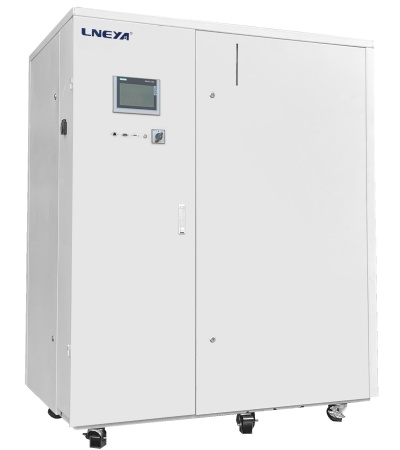
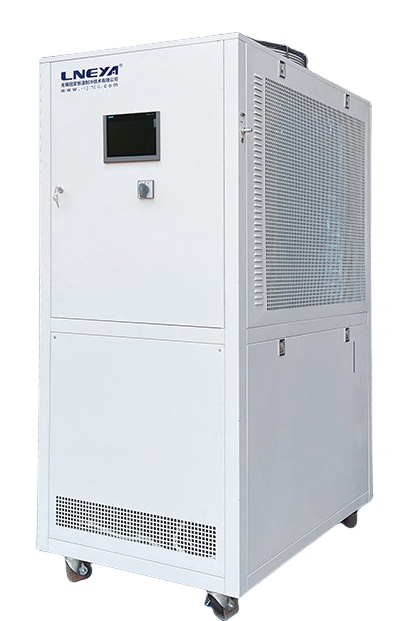
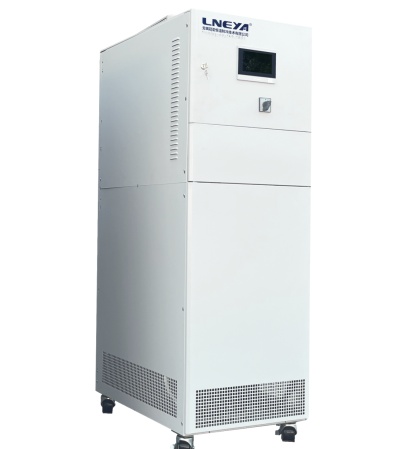
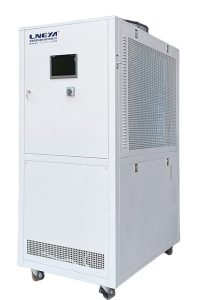
Portable chiller manufacturers are at the forefront of providing flexible and efficient cooling solutions for a wide range of industries. These manufacturers offer a variety of portable chillers, including air-cooled, water-cooled, and glycol chillers, which are used in applications such as plastic processing, laser technology, and medical equipment cooling.
OEM and ODM Services
Many portable chiller manufacturers offer OEM (Original Equipment Manufacturer) and ODM (Original Design Manufacturer) services, allowing for customization and the production of chiller systems tailored to specific customer requirements. This flexibility enables manufacturers to meet the unique needs of various industries and applications.
Industry Certifications
Quality assurance is a critical aspect of the portable chiller manufacturing industry. Many manufacturers hold industry certifications such as ISO 9001, which ensures that their products meet international quality standards. These certifications are essential for customers who require reliable and high-performance chiller systems.
Market Trends and Applications
The market for portable chillers is expected to grow due to the increasing demand for energy-efficient and environmentally sustainable products. Portable chillers are used in a variety of applications, including HVAC systems, industrial processes, and medical equipment cooling. The versatility of these chillers makes them suitable for both commercial and industrial settings.
Conclusion
Portable chiller manufacturers play a crucial role in providing mobile cooling solutions for industries worldwide. With a focus on innovation, quality, and customization, these manufacturers offer a wide range of products to meet the diverse needs of various sectors. As the market continues to evolve, the importance of portable chillers in temperature control applications will only grow, making it essential for industries to select the right manufacturer based on their specific requirements.
Efficient heating and cooling are essential for reducing energy consumption, cutting costs, and minimizing environmental impact. This article provides an in - depth exploration of various efficient heating and cooling technologies. It begins by highlighting the significance of energy - efficient systems in residential, commercial, and industrial settings. The article then delves into the working principles of advanced technologies, including high - efficiency heat pumps, smart HVAC systems, and renewable energy - based solutions. It also covers key considerations for system design, installation, and maintenance, as well as the latest trends such as integration with the Internet of Things (IoT) and the use of sustainable materials. Practical tips for enhancing efficiency in existing systems are also included, offering a holistic understanding of efficient heating and cooling.
This article offers a comprehensive exploration of scroll chillers, a type of refrigeration equipment crucial for modern cooling systems. It begins by defining scroll chillers and explaining their working principle, which relies on two intermeshing scrolls to compress refrigerant. The article details their key components, highlights advantages such as high efficiency, quiet operation, and compact size, and explores applications in commercial buildings, industrial processes, and data centers. Additionally, it covers selection criteria considering cooling capacity, energy efficiency, and noise levels, as well as installation, maintenance, and environmental considerations, providing readers with in - depth knowledge of scroll chillers.
A benchtop temperature forcing system is a compact and versatile piece of equipment used for precise temperature control in various applications. The abstract summarizes the key features of these systems, including their ability to provide rapid temperature changes and the use of different cooling fluids. It also discusses the importance of selecting the appropriate system based on the temperature range, transition rates, and the specific requirements of the application.
In Australia, water chillers play a crucial role in meeting the cooling needs of diverse sectors, from commercial buildings to industrial operations, owing to the country's varied climate and growing demand for energy - efficient cooling solutions. This article provides an in - depth look at water chillers in Australia, covering their applications across different industries, the types commonly used, key considerations for selection, and the regulatory environment influencing their use. It explores how water chillers are adapted to Australian conditions, including the impact of extreme temperatures and energy - conservation initiatives, and offers insights into maintenance practices and future trends in the Australian water chiller market.
 Industrial Chiller Heater Equipment Supplier-LNEYA