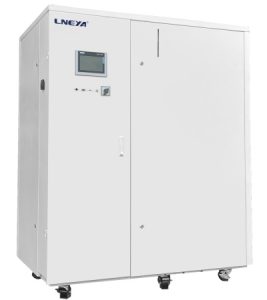
ThermoStream Systems: Advanced Temperature Control for High-Speed Testing
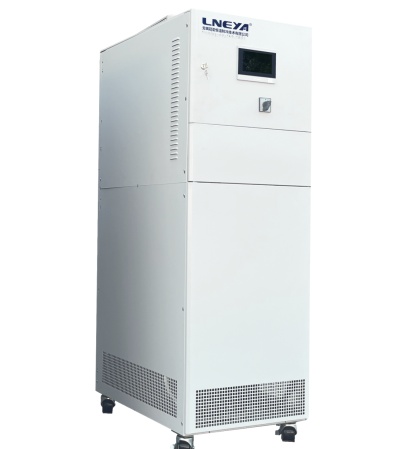
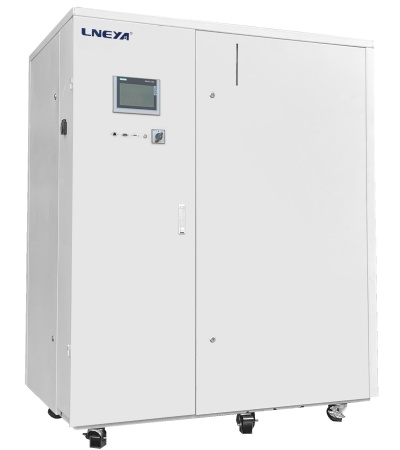
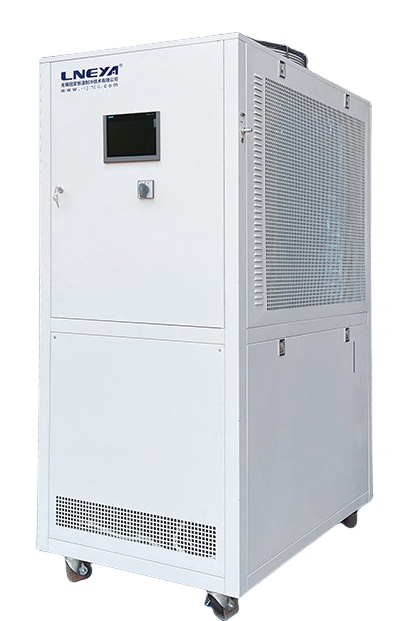
ThermoStream systems are innovative temperature control systems that provide precise and rapid temperature control for a variety of applications. These systems are designed to meet the demanding needs of industries such as electronics, aerospace, and medical, where accurate and consistent temperature control is crucial.
Key Features of ThermoStream Systems
Rapid Temperature Transitions: ThermoStream systems can achieve quick temperature changes, allowing for efficient testing and conditioning processes. Versatile Cooling Fluids: These systems can utilize various cooling fluids, including nitrogen, propane, and solvents, to meet different testing requirements. Energy Efficiency: ThermoStream systems are designed to use less energy while delivering high-performance temperature control. Applications of ThermoStream Systems ThermoStream systems are used in a wide range of applications, such as:
Electronics Testing: For testing the performance and reliability of electronic components under different temperature conditions.
Aerospace: In the testing of materials and components used in aviation and space exploration. Medical Industry: For temperature control in medical equipment and the testing of medical devices. Selecting the Right ThermoStream System When selecting a ThermoStream system, consider the following factors:
Temperature Range: Ensure the system can meet the required temperature range for your testing needs. Cooling Capacity: Choose a system with sufficient cooling capacity to handle the heat load of your application. Ease of Use: Look for systems with intuitive controls and user-friendly interfaces for convenient operation. Maintenance and Operation Proper maintenance of ThermoStream systems is essential for their performance and longevity. This includes regular inspections, cleaning of the cooling system, and calibration of temperature sensors. Operation involves setting the desired temperature profile and monitoring the system to ensure it remains within the specified parameters.
Environmental Considerations ThermoStream systems are designed with environmental sustainability in mind. The use of energy-efficient components and the option to use environmentally friendly cooling fluids contribute to their eco-friendly operation.
Conclusion ThermoStream systems offer a reliable and efficient solution for high-speed temperature testing and conditioning. By understanding their key features, applications, and the factors involved in their selection and maintenance, users can ensure optimal performance and reliability in their testing processes. The advancements in temperature control technology have made these systems more accessible and efficient for a wide range of industries.
This article provides a comprehensive guide to ThermoStream systems, discussing their key features, applications, and the considerations for their selection and maintenance. It emphasizes the importance of choosing the right system for specific testing needs and highlights the advancements in temperature control technology that have made these systems more accessible and efficient.
The normal temperature of a chiller is a crucial parameter that significantly affects the performance, efficiency, and lifespan of the cooling system. This article offers a comprehensive exploration of chiller normal temperature, covering its definition, influencing factors, normal temperature ranges for different chiller types, temperature control methods, the impact of abnormal temperatures, and corresponding countermeasures. Understanding chiller normal temperature is essential for ensuring stable operation, optimizing energy consumption, and preventing system failures. By grasping these aspects, users can better manage and maintain chiller systems in various applications.
Chiller system manufacturers are essential in providing temperature control solutions across various industries. This summary highlights the global presence of chiller manufacturers, their product ranges, and the criteria for selecting a chiller system. It underscores the importance of performance standards, technological advancements, and the impact of market trends on the chiller manufacturing industry. The article also discusses the role of OEM and ODM capabilities in custom chiller system production.
A main chiller, central to industrial cooling systems, is designed to remove heat and maintain optimal temperatures. It operates on the principle of vapor compression refrigeration, using components like the compressor, condenser, evaporator, and expansion valve. This article will discuss the main components, types, efficiency, and applications of chillers, providing a comprehensive understanding of their role in various processes.
Efficient heating and cooling are vital for energy conservation and comfort in residential, commercial, and industrial settings. This article outlines the principles of energy-efficient heating and cooling systems, including heat pumps, variable refrigerant flow, and smart controls. It discusses the impact of insulation, proper sizing, and regular maintenance on system efficiency. The article also explores the role of government incentives, energy labels, and the latest technological advancements in enhancing efficiency and reducing environmental impact.
 Industrial Chiller Heater Equipment Supplier-LNEYA