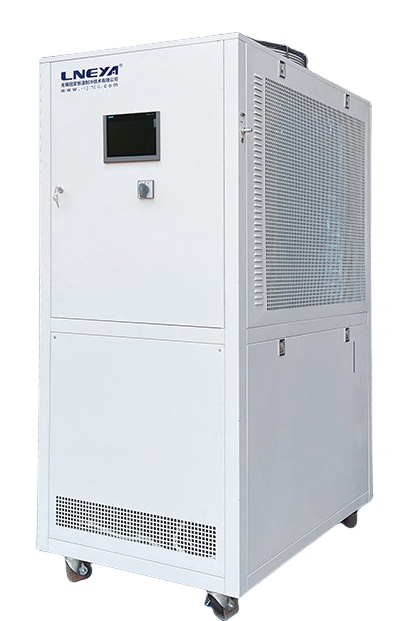
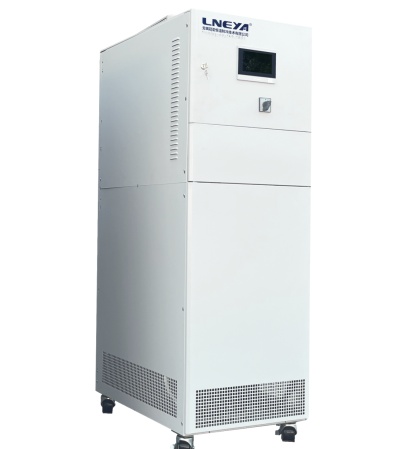
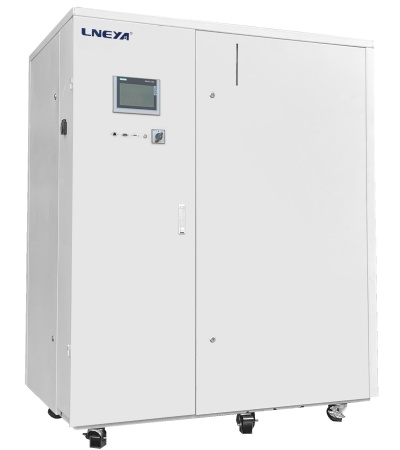
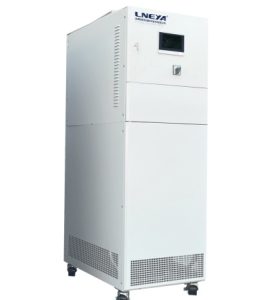
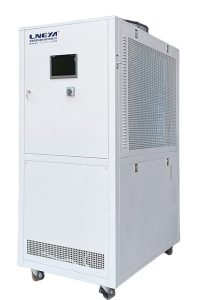
ThermoStream Systems: Precise Temperature Control for Diverse Applications
ThermoStream systems are advanced temperature control systems designed to provide precise heating and cooling for a wide range of applications. These systems are crucial in industries where maintaining consistent temperature conditions is essential for process efficiency and product quality.
Key Features of ThermoStream Systems
Temperature Stability: ThermoStream systems are capable of maintaining a stable temperature within a specific range, ensuring the reliability of processes. Heating and Cooling Capabilities: These systems can both heat and cool fluids, providing versatility for different applications. Energy Efficiency: Modern ThermoStream systems are designed to be energy efficient, reducing operational costs. Types of ThermoStream Systems
Recirculating Chillers: These units are used for continuous cooling of fluids in a closed loop.
Heat Exchangers: Used to transfer heat from one fluid to another, maintaining a consistent temperature. Applications of ThermoStream Systems These systems are used in various applications, such as:
Chemical Processing: To control the temperature of chemical reactions. Material Testing: For testing the properties of materials under specific temperature conditions. Industrial Manufacturing: In manufacturing processes that require precise temperature control. Selecting the Right ThermoStream System When selecting a ThermoStream system, consider:
Temperature Range: Ensure the system can reach the required high and low temperatures for the application. Capacity: Verify the system’s capacity to handle the heat load or cooling demand. Energy Efficiency: Look for systems with high energy efficiency ratios to minimize energy consumption. Maintenance and Operation Proper maintenance of ThermoStream systems includes regular inspections, cleaning of heat exchangers, and checking for leaks or wear in the system. Operation involves monitoring the system’s performance and making adjustments as needed to maintain the desired temperature.
Environmental Considerations ThermoStream systems are designed with environmental sustainability in mind, using energy-saving technologies and, where possible, environmentally friendly refrigerants.
Conclusion ThermoStream systems offer a reliable and efficient solution for precise temperature control in various applications. By understanding their key features, types, applications, and the factors involved in their selection and maintenance, users can ensure optimal performance and reliability in their processes. The advancements in temperature control technology have made these systems more accessible and efficient for a wide range of operations.
This article provides a comprehensive guide to ThermoStream systems, discussing their key features, types, applications, and the considerations for their selection and maintenance. It emphasizes the importance of choosing the right system for specific temperature control needs and highlights the advancements in temperature control technology that have made these systems more accessible and efficient.
Air to water cooling systems represent a sophisticated approach to heat management, integrating the advantages of both air and water cooling technologies. This article provides a comprehensive overview, covering its working principle, key compone...
Chilled water cooling systems are vital for maintaining optimal temperatures in industrial processes and HVAC applications. This article explores the advantages, applications, market trends, and energy efficiency of these systems. It highlights how chilled water systems prevent overheating, ensure consistent product quality, and protect machinery in manufacturing. The article also discusses their role in HVAC for precise temperature control and improved indoor air quality. Market trends indicate growth due to increasing demand in various sectors, particularly with a focus on energy efficiency and sustainability.
Industrial Electrical Heaters: A Comprehensive OverviewIndustrial electrical heaters are essential devices across numerous industries, converting electrical energy into heat for various processes. This article delves into their working principle...
A recirculating bath, often used in laboratories and industrial processes, is a closed-loop system designed to maintain a consistent temperature. This article discusses the principles, components, applications, and maintenance of recirculating baths. It covers the importance of temperature stability, the role of circulation pumps, and the impact of fluid selection on system performance.
 Industrial Chiller Heater Equipment Supplier-LNEYA