Water Source Chillers: Market Analysis and Applications
Market Overview: The global water chillers market, including water source chillers, is expected to exhibit significant growth, with a CAGR of 3.8% from 2024 to 2033, reaching a valuation of USD 9.1 billion by 2033. This growth is attributed to the increasing demand for energy-efficient cooling solutions and the push for sustainable technologies in various industries.
Types and Characteristics: Water source chillers can be categorized based on their design and operating principles. They include absorption chillers, screw chillers, scroll chillers, centrifugal chillers, and reciprocating chillers. Each type has unique features and is suited to different applications based on capacity and efficiency requirements.
Applications: Water source chillers find extensive application in commercial buildings, industrial processes, HVAC systems, power generation, and district cooling. In commercial buildings, they are integrated into central air conditioning systems to maintain comfortable temperatures. In industrial processes, they manage heat dissipation, ensuring optimal operating conditions and product quality.
Environmental Impact:
Water source chillers offer environmental benefits such as energy efficiency, reduced carbon footprint, and minimal refrigerant use. Their energy efficiency reduces carbon emissions, and their operation can contribute to the reduction of the urban heat island effect compared to air-cooled chillers.
Efficiency and Technological Advancements: Advancements in water source chillers include the adoption of eco-friendly refrigerants, integration of smart controls and IoT technology, and customization to meet specific requirements. These technologies enhance component, unit, and system energy efficiency, leading to significant improvements in performance and sustainability.
Market Drivers and Trends:
The market for water source chillers is driven by the need for energy-efficient cooling solutions, growth in industrial applications, and the expansion of data centers and commercial complexes. Current trends include the development of high-efficiency technologies, such as new compressor technology, high-efficiency heat exchange technology, and “water chiller + natural cold source” cooling technology in data centers.
Conclusion: Water source chillers are a critical component in the global chillers market, offering efficient and sustainable cooling solutions for various applications. Their market is expected to grow due to increasing demand for energy-efficient and environmentally friendly systems. As technology advances, water source chillers are becoming more efficient and sustainable, aligning with global sustainability goals. Understanding the market trends, applications, and environmental impact of water source chillers is essential for industries seeking to optimize their cooling processes and reduce their environmental footprint.
The "water chiller capacity" refers to the cooling capacity of a chiller system, which is a critical parameter for selecting the appropriate chiller for various applications. This article discusses the factors that determine chiller capacity, including the flow rate of water, temperature difference, and specific heat capacity. It also covers the calculation methods for chiller capacity in both imperial and metric units, highlighting the importance of choosing the right capacity for efficiency and performance. The article further explores the applications of water chillers and the impact of capacity on energy consumption and sustainability.
Air cooled refrigeration systems utilize air as a heat dissipation medium, offering a self-contained solution for heating and cooling. This article outlines the definition, operation, applications, efficiency, environmental responsibility, and technological advancements of these systems. It highlights the benefits of air cooling, such as environmental friendliness and simplicity, and discusses the market trends towards more sustainable and efficient refrigeration technologies.
A BTU (British Thermal Unit) chiller is a type of cooling system that measures its capacity in BTUs, indicating the amount of energy required to raise one pound of water by one degree Fahrenheit. These chillers are crucial in various industries for precise temperature control. This article discusses the definition, working principles, market trends, applications, and environmental impact of BTU chillers, providing a comprehensive understanding of their role in industrial cooling.
A 10 ton air cooled water chiller is a cooling device that removes 120,000 British Thermal Units (BTUs) of heat per hour, equivalent to the cooling effect of melting 10 tons of ice in 24 hours. This article offers an in - depth exploration of such chillers. It begins with an introduction to their basic concept and significance in various cooling applications. The working principles, including the refrigeration cycle and heat exchange processes, are detailed. Key components like compressors, condensers, evaporators, and expansion valves are elaborated. Applications across commercial buildings, industrial facilities, and data centers are analyzed. Additionally, considerations for selection, installation, maintenance, and future trends are discussed, providing a comprehensive understanding for optimal utilization and efficient operation.
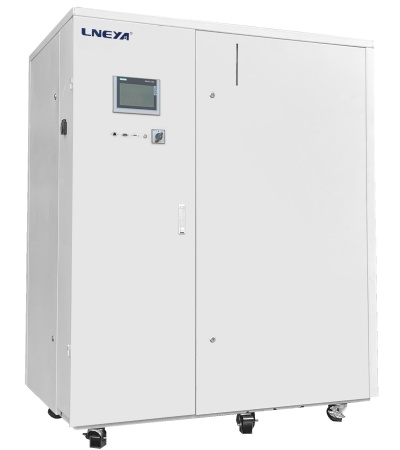
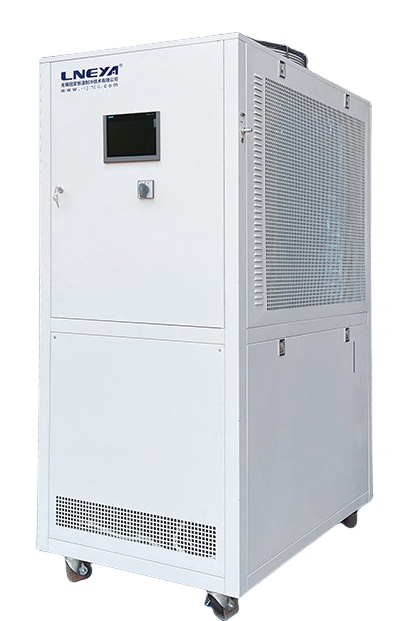
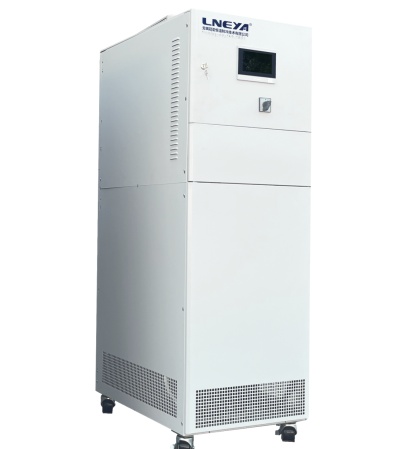
 Industrial Chiller Heater Equipment Supplier-LNEYA