Water Chiller UAE: Market Dynamics and Applications
Water chillers play a critical role in the UAE’s industrial and commercial sectors, providing essential temperature control solutions. This article delves into the market dynamics, applications, and technological advancements of water chillers in the UAE.
Market Overview and Growth
The UAE chiller market is expected to grow with a CAGR of over 8.50% from 2024 to 2029, driven by the emphasis on sustainable cooling solutions. The market size was valued at around USD 124.9 million in 2024 and is projected to reach around USD 181.5 million by 2030, with a CAGR of 6.3%. This growth is attributed to the increasing demand for energy-efficient cooling systems and the adoption of eco-friendly refrigerants in the region.
Types of Water Chillers
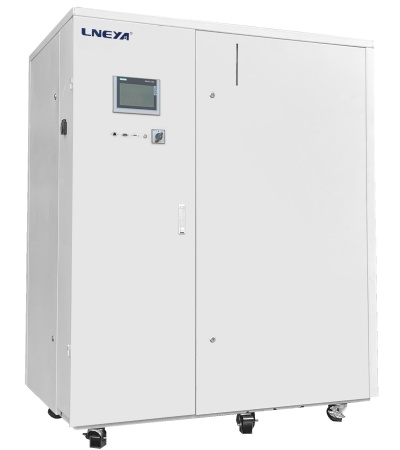
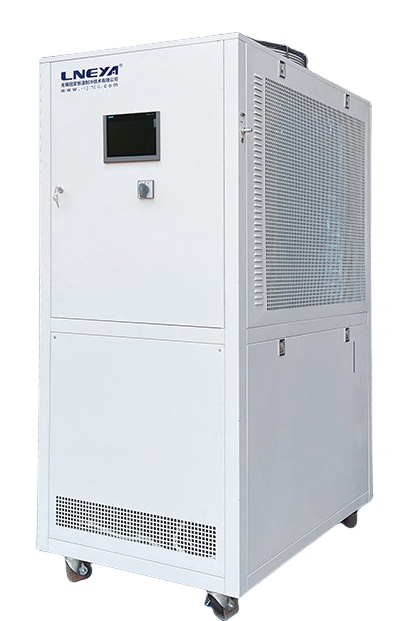
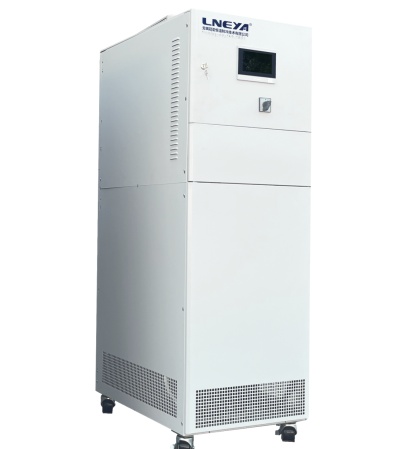
Water chillers in the UAE come in various types, including air-cooled and water-cooled systems. Air-cooled chillers dissipate heat absorbed from buildings or processes directly to the outside air, while water-cooled chillers reject the absorbed heat to a secondary liquid circuit that then rejects the heat through devices like cooling towers or dry coolers.
Applications of Water Chillers in the UAE
Water chillers are key in many industries and businesses in the UAE. They help maintain optimal temperatures in factories, data centers, hotels, and malls. Industrial applications include temperature control in chemical plants and laboratories, ensuring safety and consistent product quality. Commercially, they are vital for comfort cooling in hospitality and retail spaces and for keeping computer servers in data centers operational.
Energy Efficiency and Sustainability
The push for sustainability is driving the development of chillers that use environmentally friendly refrigerants, reducing the impact on the environment. Water chillers with high energy efficiency ratios (EER) and coefficient of performance (COP) are becoming more popular as industries look to reduce their carbon footprint and operational costs.
Conclusion
The water chiller market in the UAE is a dynamic sector, with a focus on innovation, energy efficiency, and sustainability. As the market continues to grow, driven by the demand for efficient and eco-friendly cooling solutions, the role of water chillers in the UAE’s industrial and commercial sectors becomes increasingly important. The future of water chillers in the UAE is likely to involve further advancements in technology, energy efficiency, and sustainability, ensuring they remain a key component in the region’s economic and environmental landscape
Efficient portable heaters are designed to provide heat with minimal energy consumption. This article discusses the importance of energy efficiency in portable heaters, the types of heating technologies available, and the features that contribute to energy savings. It also highlights safety considerations and provides a comparison of some of the most efficient models on the market, as rated by experts and consumers.
Efficient heating and cooling are essential for reducing energy consumption, cutting costs, and minimizing environmental impact. This article provides an in - depth exploration of various efficient heating and cooling technologies. It begins by highlighting the significance of energy - efficient systems in residential, commercial, and industrial settings. The article then delves into the working principles of advanced technologies, including high - efficiency heat pumps, smart HVAC systems, and renewable energy - based solutions. It also covers key considerations for system design, installation, and maintenance, as well as the latest trends such as integration with the Internet of Things (IoT) and the use of sustainable materials. Practical tips for enhancing efficiency in existing systems are also included, offering a holistic understanding of efficient heating and cooling.
Duct heaters are essential devices used to heat air within ventilation ducts, playing a crucial role in various heating, ventilation, and air - conditioning (HVAC) systems. This article offers an in - depth exploration of duct heaters, starting with their fundamental working principles, which involve electrical resistance or gas combustion to generate heat that warms the passing air. It details different types, such as electric duct heaters, gas - fired duct heaters, and infrared duct heaters, highlighting their unique features, advantages, and limitations. The article covers diverse applications in residential, commercial, and industrial settings, along with key considerations for selection, installation, operation, and maintenance. Additionally, it delves into energy - efficiency aspects, safety features, and emerging trends, providing a complete guide to understanding and optimizing the use of duct heaters.
A chiller group refers to a centralized cooling system comprising multiple chillers working together to provide efficient temperature control for industrial, commercial, or large-scale HVAC applications. Key aspects include:
Functionality: Chiller groups regulate cooling by circulating refrigerant or water to absorb and dissipate heat.
Types: Common configurations include air-cooled, water-cooled, and absorption chillers, each suited for different environments.
Applications: Used in data centers, manufacturing plants, hospitals, and commercial buildings.
Benefits: Improved energy efficiency, redundancy, and scalability compared to single-chiller systems.
Maintenance: Regular servicing ensures optimal performance and longevity.
This guide explores chiller groups in detail, covering working principles, types, advantages, and maintenance best practices.
 Industrial Chiller Heater Equipment Supplier-LNEYA