Therm heating systems, also known as thermal heating systems, play a crucial role in maintaining a comfortable indoor environment in various settings. These systems harness the principles of thermal energy transfer to distribute heat, ensuring that living and working spaces are kept at optimal temperatures. The efficiency and effectiveness of therm heating systems are dependent on a range of factors, including the design of the system, the type of heat source, and the methods of heat distribution.
Fundamentals of Therm Heating Systems
Therm heating systems operate on the basic principle of transferring heat from a central source to the areas that require warming. This is typically achieved through one of the following methods:
Radiation: Heat is transferred through electromagnetic waves, directly warming objects in its path. Conduction: Heat is transferred through direct contact between materials, such as through pipes or solid surfaces. Convection: Heat is transferred through the movement of heated fluids or gases. Components of a Therm Heating System
The key components of a therm heating system include:
Heat Source: This can be a boiler, furnace, heat pump, or any other device that generates heat. Heat Distribution System: This may include radiators, convectors, depending on the method of heat transfer. Control System: Thermostats and control panels regulate the temperature and operation of the heating system. Heat Exchanger: In some systems, a heat exchanger is used to transfer heat from the source to the distribution system without mixing the fluids. Modes of Operation
Therm heating systems can be designed to operate in various modes, depending on the specific requirements of the building or space:
Centralized Systems: A single heat source serves multiple areas, with heat distributed through a network of pipes or ducts. Zoned Systems: Different areas of a building are heated independently, allowing for customized temperature settings. Modulating Systems: The heat output is adjusted in response to the changing heat demand, optimizing energy use. Applications of Therm Heating Systems
Therm heating systems are used in a wide range of applications, including:
Residential Buildings: To provide warmth in homes and apartments. Commercial Buildings: To maintain comfortable temperatures in offices, stores, and other commercial spaces. Industrial Applications: For process heating and maintaining consistent temperatures in manufacturing environments. Efficiency and Environmental Impact
The efficiency of therm heating systems is a critical consideration, as it directly impacts energy consumption and operating costs. Modern systems are designed with energy efficiency in mind, incorporating features such as variable speed pumps, smart thermostats, and heat recovery systems. Additionally, the use of renewable energy sources for heating, such as solar thermal panels or biomass boilers, can significantly reduce the environmental impact of therm heating systems.
Advancements in Therm Heating Technology
Technological advancements are continually improving the performance and capabilities of therm heating systems. Innovations such as smart home integration, advanced control algorithms, and the use of phase change materials for thermal storage are transforming the way heating systems are designed and operated.
Conclusion
Therm heating systems are an essential component of modern building services, providing reliable and comfortable heating solutions. As technology continues to evolve, these systems are becoming more efficient, adaptable, and environmentally friendly, ensuring that they remain a viable option for heating in the future.
Note: This article is intended for informational purposes only and does not endorse or promote any specific products or services. It is designed to provide a comprehensive understanding of therm heating systems and their role in providing thermal comfort in various settings.
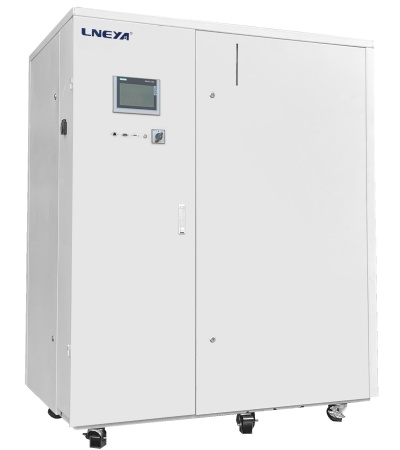
Thermic fluid heaters, also known as hot oil heaters, are essential in industries requiring high-temperature process heating without the need for excessive pressure. These heaters circulate thermal fluid through a closed system to transfer heat efficiently. The market for thermic fluid heaters is growing, driven by demand for energy efficiency and technological advancements. Safety, efficiency, and the ability to operate at high temperatures are key factors in the design and operation of these heaters.
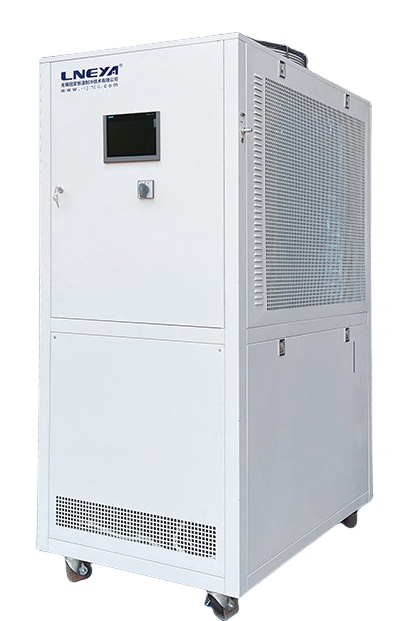
Industrial process chillers are essential for maintaining optimal temperatures in various manufacturing and industrial processes. They work by removing excess heat, ensuring the efficiency and quality of production. Energy efficiency is a key consideration, with modern chillers using advanced technologies like variable-speed compressors and smart controls to minimize energy consumption. Maintenance is also crucial for optimal performance and longevity. The market is moving towards more sustainable solutions, with a focus on high-efficiency and environmentally friendly designs.
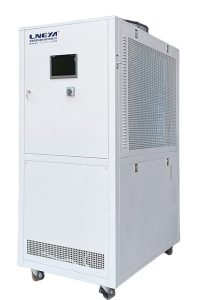
Air-cooled water chillers are essential for temperature regulation in various industrial and commercial settings. This article provides an overview of these chillers, including their working principles, types, applications, and market trends. It emphasizes their ease of installation, low water consumption, and suitability for smaller to medium-sized applications. The abstract captures the key points of the detailed article, offering insights into the technology, efficiency, and environmental considerations of air-cooled water chillers.
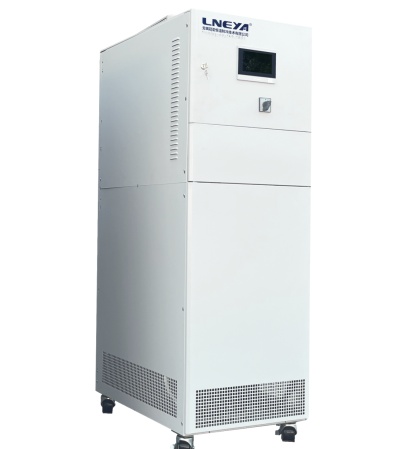
This article provides a comprehensive introduction to air circulation heaters. It first defines what an air circulation heater is and its significance in heating applications. The working principle of these heaters is explained, including how air is heated and circulated. Different types of air circulation heaters, such as electric and gas-powered ones, are explored along with their features, advantages, and limitations. Factors to consider when choosing an air circulation heater, like heating capacity, efficiency, and safety, are discussed. Additionally, proper installation, maintenance, and common troubleshooting tips are presented. Understanding these aspects helps users make informed decisions and ensures the efficient operation of air circulation heaters.
 Industrial Chiller Heater Equipment Supplier-LNEYA