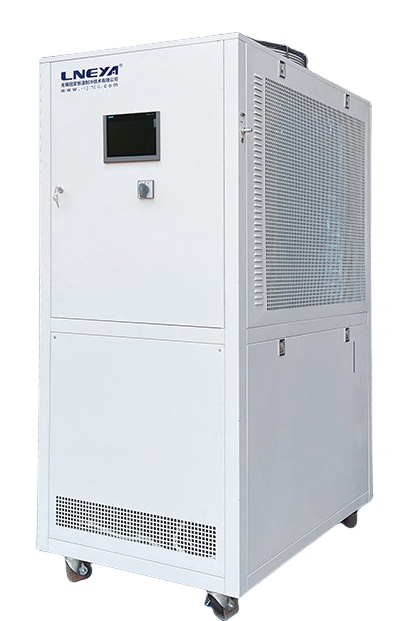
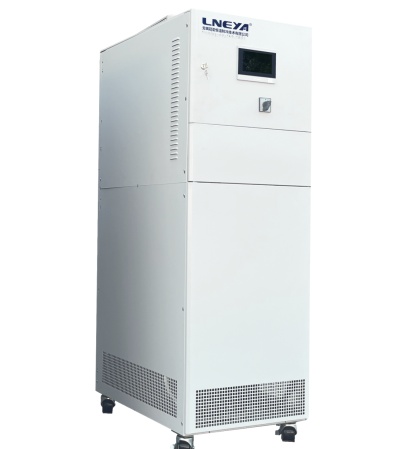
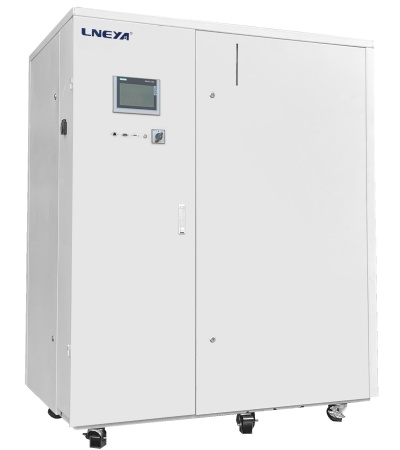
Industrial process cooling is an essential aspect of many manufacturing and industrial operations. It involves the removal of excess heat generated during processes to maintain a stable and controlled environment. This is vital for the efficiency, quality, and safety of industrial production. Industrial process cooling systems are designed to manage the heat generated by various processes, ensuring that equipment operates within optimal temperature ranges and products meet the required specifications.
Importance of Industrial Process Cooling: The importance of industrial process cooling lies in its ability to maintain consistent process conditions, which directly impacts product quality and consistency. For instance, in the plastics industry, the temperature control of the extruded plastic is crucial for the quality and thickness of the final product. Additionally, these systems help extend the life of equipment by preventing overheating and reducing the risk of equipment failure.
Applications of Industrial Process Cooling: Industrial process cooling systems are used across a wide range of industries, including:
Manufacturing: In industries such as automotive and aerospace, process cooling systems are used to cool machinery and tools, ensuring precise manufacturing tolerances.
Food and Beverage: Cooling systems are essential in processes like fermentation, pasteurization, and refrigeration to maintain product freshness and safety.
Pharmaceuticals: Temperature control is critical in the production and storage of medications to ensure their efficacy and stability.
Chemical Processing: In chemical plants, cooling systems help manage the heat generated during reactions and maintain safe operating conditions.
Technological Advancements: Technological advancements in industrial process cooling systems have led to more energy-efficient and environmentally friendly solutions. For example, the use of variable speed compressors allows for precise temperature control and adapts quickly to cooling demand, maintaining a process at a precise set point despite varying ambient temperatures. Additionally, the integration of renewable energy sources, such as solar thermal collectors, is being explored to provide sustainable process heat.
Market Outlook: The industrial cooling systems market is projected to experience significant growth, with a CAGR of 6.1% by 2033, expanding from US$ 20.98 billion in 2023 to US$ 37.92 billion by 2033. This growth is driven by the increasing demand for energy-efficient cooling systems, stringent government regulations on energy conservation, and the expansion of industries such as automotive, food and beverage, and pharmaceuticals.
Conclusion: Industrial process cooling is a critical component of modern industrial operations. It ensures the efficiency, quality, and safety of industrial processes across various sectors. As technology continues to advance, the focus on energy efficiency and sustainability in industrial process cooling systems will become even more pronounced. The growing market for these systems indicates a global shift towards more sustainable and efficient industrial practices.
This article comprehensively explores temperature baths, devices crucial for maintaining stable temperatures. It first defines temperature baths and elaborates on their working principles, including heat transfer mechanisms. Different types of temperature baths, such as water, oil, sand, and metal baths, are introduced, highlighting their unique features, advantages, limitations, and suitable applications. Key performance indicators like temperature range, stability, and accuracy are analyzed, along with maintenance requirements. The article also touches upon troubleshooting common issues and future trends in temperature bath technology, offering a holistic understanding for readers.
The term "temperature in chiller" refers to the specific temperatures at which chiller systems operate to provide cooling. This article delves into the significance of temperature control in chillers, the standard temperature ratings, and the impact of temperature settings on efficiency and sustainability. It also discusses the role of temperature in various types of chillers, including air-cooled and water-cooled systems, and how advanced technologies are used to optimize temperature management for improved performance and environmental benefits.
This article thoroughly compares air cooled chillers and water cooled chillers, covering differences in heat dissipation methods, core components, energy efficiency, installation requirements, maintenance needs, noise levels, typical applications, and cost factors. It provides objective, popular science knowledge to help readers understand the unique features of each type, enabling informed decisions when selecting a cooling system based on specific operational needs.
Air cooled chillers and water cooled chillers are two primary cooling solutions, each with distinct approaches to heat removal. While both systems use a refrigeration cycle to cool a process fluid, their methods of dissipating heat, component designs, and performance characteristics set them apart, making each more suitable for particular environments and applications.
A 100 ton water chiller is an industrial-scale cooling system capable of removing 1,200,000 BTU/h, suitable for large-scale applications. These chillers are available in water-cooled and air-cooled configurations, with advanced features like PLC control systems ensuring stable operation. They are used in various industries for process cooling, building cooling, and other cooling needs. The article covers the specifications, applications, efficiency, safety guidelines, and industry standards related to 100 ton water chillers, providing a comprehensive understanding of their role in industrial cooling solutions.
 Industrial Chiller Heater Equipment Supplier-LNEYA