Heater manufacturing companies are essential players in the thermal technology sector, responsible for creating heating solutions that convert energy into heat for various applications. Their work involves a blend of engineering expertise, material science, and market knowledge to produce heaters that are efficient, safe, and tailored to the specific requirements of different industries and users.
The product portfolios of heater manufacturing companies are diverse, covering heaters designed for distinct energy sources, applications, and operating conditions. Electric heaters are a primary offering, utilizing resistive elements, infrared technology, or induction to generate heat. These include immersion heaters (submerged in liquids), space heaters (for rooms or enclosed areas), and industrial process heaters (for machinery or materials). Manufacturers produce electric heaters with varying power ratings, from small residential units (hundreds of watts) to large industrial models (megawatts), incorporating features like adjustable thermostats and safety shutoffs. Gas-fired heaters, another major category, use natural gas, propane, or butane as fuel. They are valued for high heat output and are common in commercial spaces (restaurants, warehouses) and industrial settings (factories, greenhouses). These heaters may operate via combustion chambers that heat air directly or heat exchangers that warm fluids. Manufacturers offer both vented (with exhaust systems) and unvented models, with the former preferred for enclosed spaces to ensure safety. Industrial process heaters are specialized products, designed for specific manufacturing or processing needs. This includes band heaters (wrapped around pipes or barrels), cartridge heaters (inserted into machinery), and duct heaters (for heating air in ventilation systems). These heaters often feature high-temperature capabilities (exceeding 1000°C) and durable materials to withstand harsh industrial environments, such as exposure to chemicals or heavy vibration.
Custom heating solutions are a hallmark of leading heater manufacturing companies, addressing unique application demands that standard heaters cannot meet. For example, a company might design a heater with corrosion-resistant materials like titanium for use in marine or chemical processing, or a compact, high-power heater for integration into medical equipment. Customization extends to size, shape, power source, and control systems, ensuring the heater fits seamlessly into specific workflows or equipment. Design and engineering are core capabilities of heater manufacturing companies. They employ teams of thermal engineers, mechanical designers, and electrical specialists who use computer-aided design (CAD) software and finite element analysis (FEA) to optimize heater performance. These tools help in designing heat distribution patterns, minimizing energy loss, and ensuring uniform heating. Engineers also focus on energy efficiency, developing heaters with low standby power consumption or variable heat output to match demand, reducing overall energy use. Material selection is critical in heater manufacturing, as it directly impacts performance and longevity. Companies choose materials based on the heater’s operating temperature, contact with fluids or gases, and environmental conditions. For example, nichrome (a nickel-chromium alloy) is commonly used in resistive elements for its high melting point and oxidation resistance. Ceramic materials are used in high-temperature heaters for their insulation properties, while stainless steel is favored for its corrosion resistance in humid or chemical-exposed environments. Quality control is a rigorous process throughout the manufacturing cycle. It starts with inspecting raw materials (e.g., checking the purity of metal alloys or the integrity of insulation materials) to ensure they meet specifications. During production, automated systems and manual checks verify component assembly—such as soldering quality in electrical connections or weld strength in metal casings. Post-production, heaters undergo performance testing, including heat output measurement, temperature stability checks, and safety tests (e.g., overheat protection activation). Only products that meet strict standards are approved for distribution.
Heater manufacturing companies adhere to various industry standards to ensure safety, efficiency, and compliance. For electrical heaters, this includes certifications from organizations like Underwriters Laboratories (UL), International Electrotechnical Commission (IEC), or CE (Conformité Européenne), which validate protection against electric shock, fire hazards, and electromagnetic interference. Gas heaters must meet standards set by bodies like the American Gas Association (AGA) or European Committee for Standardization (CEN), ensuring proper combustion, exhaust handling, and fuel efficiency. Energy efficiency standards are also a key focus, with many companies designing heaters to meet or exceed regulations such as the U.S. Department of Energy (DOE) efficiency standards or the European Union’s EcoDesign directives. These standards drive the development of heaters with improved heat transfer, reduced energy waste, and smart controls that adjust output based on real-time needs. Technical support and after-sales services are integral to the offerings of heater manufacturing companies. They provide detailed documentation, including installation guides, operation manuals, and maintenance schedules, to assist users in proper setup and care. Many companies offer training programs for technicians, covering topics like heater repair, safety protocols, and troubleshooting. Additionally, they maintain networks of service centers or partner with local distributors to provide timely repairs and replacement parts, minimizing downtime for industrial or commercial users. Industry specialization is a growing trend among heater manufacturing companies, with many focusing on specific sectors to deepen expertise. For example, some companies specialize in food-grade heaters, designed with sanitary features (easy-to-clean surfaces, stainless steel construction) to meet FDA or EU food safety standards. Others focus on aerospace or automotive heaters, producing units that withstand extreme temperatures and vibration for use in vehicle engines or aircraft systems. Emerging trends in heater manufacturing reflect a shift toward sustainability and smart technology. Companies are investing in research to develop heaters that use renewable energy sources, such as solar-powered heaters or hybrid systems that combine electric and biomass fuel. They are also integrating smart controls and Internet of Things (IoT) capabilities, allowing remote monitoring of heater performance, energy usage tracking, and automatic adjustment of heat output based on occupancy or environmental conditions. This connectivity enhances efficiency and allows for predictive maintenance, reducing operational costs. Another trend is the development of low-emission heaters, particularly in gas-fired models. Manufacturers are designing units with advanced combustion technology that reduces nitrogen oxide (NOx) and carbon monoxide (CO) emissions, aligning with global efforts to improve air quality and combat climate change. Additionally, there is a focus on recyclable materials and modular designs that facilitate repair and reuse, reducing the environmental impact of heater disposal. In conclusion, heater manufacturing companies play a vital role in meeting the diverse heating needs of modern society. Their ability to produce a wide range of heaters, customize solutions, ensure quality and compliance, and adapt to emerging trends makes them essential partners for industries, businesses, and households. As technology advances and sustainability becomes increasingly important, these companies continue to innovate, driving the development of more efficient, safe, and environmentally friendly heating solutions.
Water chiller manufacturers play a pivotal role in providing essential cooling solutions for various industries. The global market is characterized by a competitive landscape with key players such as Carrier Corporation, Trane Technologies, Daikin Industries, and Mitsubishi Electric Corporation. This article delves into the market trends, technological advancements, and the impact of mergers and acquisitions within the water chiller manufacturing sector. It also provides insights into the regional market dynamics and the strategic focus on energy efficiency and sustainability.
Coolant coolers are vital devices in maintaining optimal temperatures within various systems by dissipating heat from coolants. This article offers an in - depth exploration of coolant coolers. It first explains the fundamental working principles, which involve heat transfer mechanisms to reduce coolant temperatures. The key components, such as heat exchangers, fans, pumps, and control valves, are then described in detail, highlighting their functions. The wide - ranging applications across industries like automotive, manufacturing, and power generation are explored, emphasizing how coolant coolers enhance system performance and reliability. Additionally, factors to consider when selecting coolant coolers, including cooling capacity, efficiency, and compatibility, are analyzed. By the end, readers will have a thorough understanding of coolant coolers, enabling them to make informed decisions regarding their implementation and maintenance.
The cooling capacity of a chiller is a fundamental parameter determining its cooling performance and application suitability. This article offers an in - depth exploration of chiller cooling capacity, covering its definition, calculation methods, and influencing factors like chiller type, refrigerant properties, and operating conditions. It compares the cooling capacity characteristics of different chiller types, including centrifugal, screw, and scroll chillers. The article also details how to select the appropriate chiller based on cooling load requirements and provides strategies for optimizing and maintaining cooling capacity. Whether for commercial buildings, data centers, or industrial facilities, understanding chiller cooling capacity is essential for efficient cooling system design and operation.
This article focuses on industrial process electric heaters, which are vital for numerous industrial operations. It starts by explaining the basic principle of how these heaters convert electrical energy into heat for industrial processes. Different types of industrial process electric heaters, including resistance heaters, induction heaters, and infrared heaters, are detailed, covering their structures, working mechanisms, and typical applications. The article also discusses crucial considerations when selecting such heaters, such as power requirements, temperature control, and compatibility with industrial materials. Additionally, it touches on maintenance aspects and the significance of energy efficiency in industrial process electric heaters, providing a comprehensive understanding of these important heating devices.
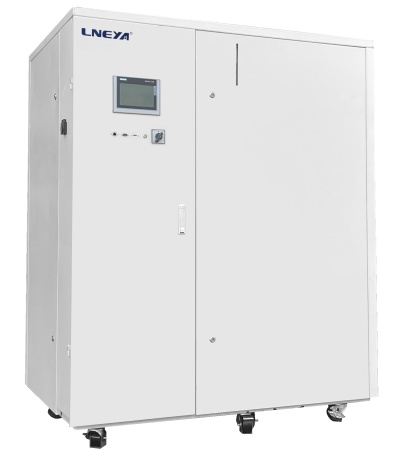
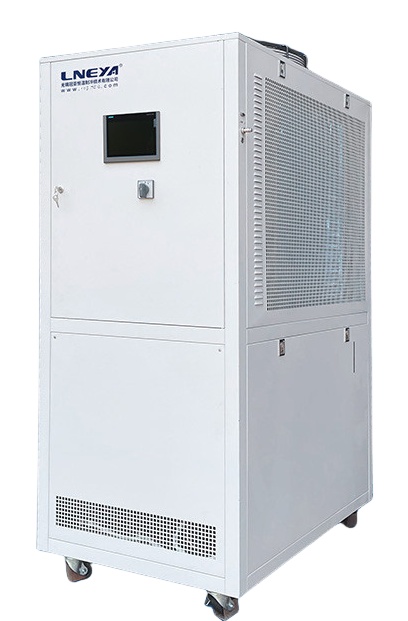
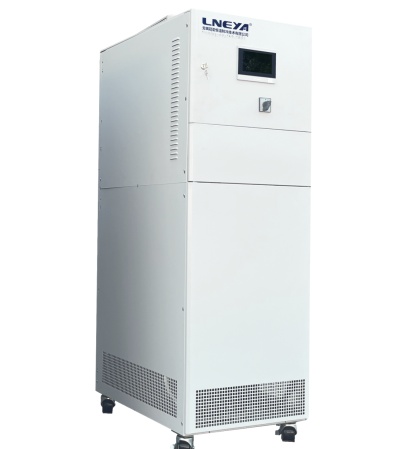
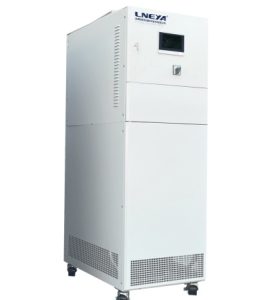
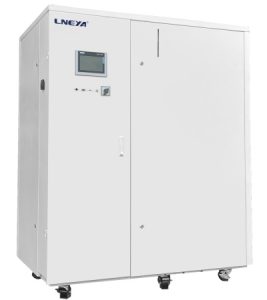
 Industrial Chiller Heater Equipment Supplier-LNEYA