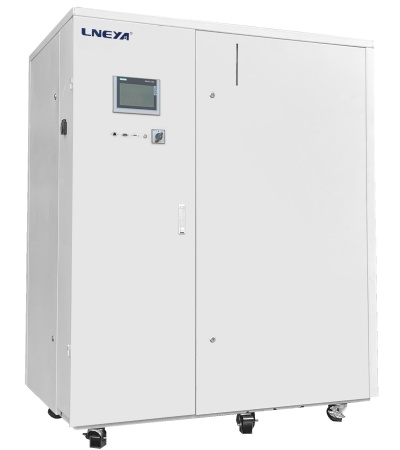
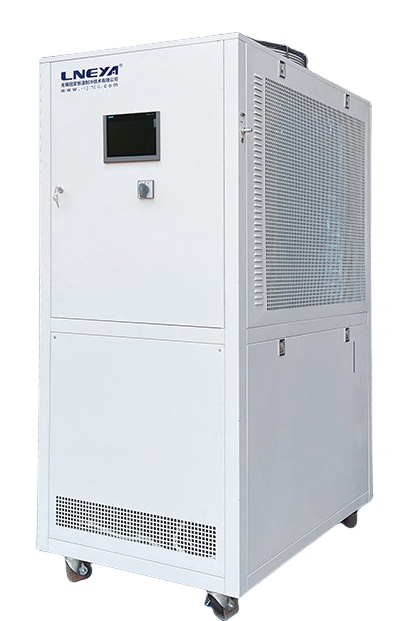
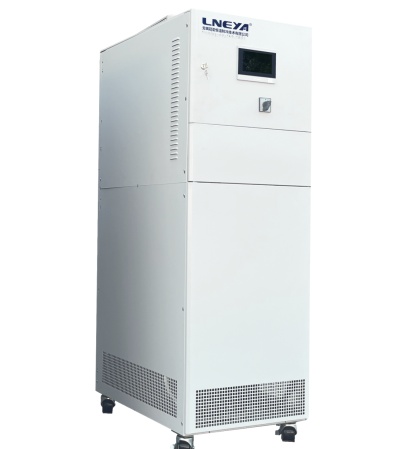
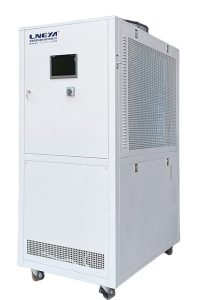
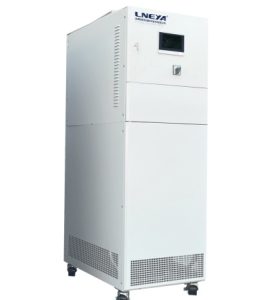
The temperature range in chiller systems is a vital factor that influences their performance and efficiency. It encompasses the set points for both chilled water and cooling water, which are essential for maintaining optimal conditions in various industrial and commercial processes.
Standard Temperature Ranges
Chilled Water Temperature Range: The standard temperature range for chilled water is between 7°C to 12°C (45°F to 54°F) as it leaves the evaporator, with a recommended temperature difference of 5°C (41°F) between the supply and return temperatures.
Cooling Water Temperature Range: For cooling water, the standard temperature range is between 30°C to 35°C (86°F to 95°F), with a corresponding wet-bulb temperature of 28°C (82°F). This range is crucial for assessing the efficiency of cooling towers and the overall performance of the chiller system.
Impact of Approach Temperatures
Approach temperature refers to the difference between the desired temperature and the actual temperature achieved by the chiller system. It is a key indicator of system efficiency:
Chiller Condenser Approach: The normal chiller condenser approach is below 4°C (7.2°F) for new chillers. A higher approach temperature can lead to poor chiller performance and increased power consumption.
Cooling Tower Approach: The cooling tower approach is typically designed to be below 2.8°C (5°F), which is the difference between the condenser water return temperature and the ambient wet bulb temperature.
Factors Influencing Temperature Range Selection
Several factors influence the selection of the appropriate temperature range for chiller systems:
Application Requirements: Different processes and applications have specific temperature requirements that must be met for optimal performance.
Energy Efficiency: Lower approach temperatures generally indicate better heat transfer and higher efficiency, but achieving these may come at the cost of increased energy consumption.
Environmental Conditions: Ambient temperature and climate conditions, such as wet-bulb temperature, play a significant role in determining the design temperatures for chiller systems .
Maintaining Optimal Temperatures
Maintaining the correct temperature range in chiller systems is crucial for various applications:
Industrial Processes: In industries such as plastics, pharmaceuticals, and food and beverage, precise temperature control is essential for product quality and process efficiency.
Data Centers: Chiller systems in data centers must maintain a specific temperature range to ensure the proper functioning of servers and IT equipment, affecting uptime and performance .
Conclusion
The chiller temperature range is a critical parameter that Directly affecting the efficiency and performance of the system。Understanding the standard temperature ranges and the impact of approach temperatures on system efficiency is essential for selecting and operating chiller systems effectively. By considering factors such as application requirements, energy efficiency, and environmental conditions, operators can maintain optimal temperatures for various applications, ensuring both efficiency and effectiveness in their processes.
This article focuses on industrial process electric heaters, which are vital for numerous industrial operations. It starts by explaining the basic principle of how these heaters convert electrical energy into heat for industrial processes. Different types of industrial process electric heaters, including resistance heaters, induction heaters, and infrared heaters, are detailed, covering their structures, working mechanisms, and typical applications. The article also discusses crucial considerations when selecting such heaters, such as power requirements, temperature control, and compatibility with industrial materials. Additionally, it touches on maintenance aspects and the significance of energy efficiency in industrial process electric heaters, providing a comprehensive understanding of these important heating devices.
The price of a 2-ton chiller (24,000 BTU/hr capacity) typically ranges from $2,000 to $10,000, depending on several key factors:
Chiller Type:
Air-cooled chillers ($2,000-$5,500) - lower upfront cost, easier installation
Water-cooled models ($4,000-$10,000) - higher efficiency but require cooling towers
Efficiency Levels:
Standard efficiency (SEER 12-14): $2,000-$4,500
High efficiency (SEER 16+): $3,500-$7,000
Premium inverter models: $5,000-$10,000
Brand Quality:
Budget brands start around $2,000
Premium brands (Trane, Carrier) range $5,000-$10,000
Additional costs include installation ($800-$2,500), optional features, and annual maintenance ($250-$600). For accurate pricing, obtain multiple quotes based on your specific cooling requirements.
Chillers series refer to a range of industrial chiller systems designed for precise temperature control in various applications. These systems can be air-cooled or water-cooled and are used in industries such as manufacturing, chemical processing, and food and beverage. They are available in different models to cater to a variety of cooling capacities and process requirements. Energy efficiency, sustainability, and technological advancements are key factors driving the development of chiller series, with a focus on reducing environmental impact and operational costs.
A 3-ton glycol chiller is a refrigeration system designed to provide precise cooling for applications requiring low temperatures, typically using a glycol-water mixture as the heat transfer fluid. With a cooling capacity of 3 tons (36,000 BTU/hr), it is suitable for small to medium-scale operations in industries such as food and beverage, pharmaceuticals, breweries, and HVAC. Glycol chillers are preferred for their ability to prevent freezing and corrosion, ensuring reliable performance in sub-zero conditions. Key features include energy efficiency, compact design, and adaptability to various cooling needs. This guide explores the working principles, components, applications, and benefits of a 3-ton glycol chiller.
 Industrial Chiller Heater Equipment Supplier-LNEYA