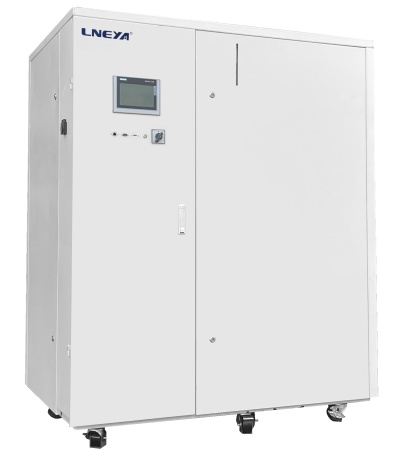
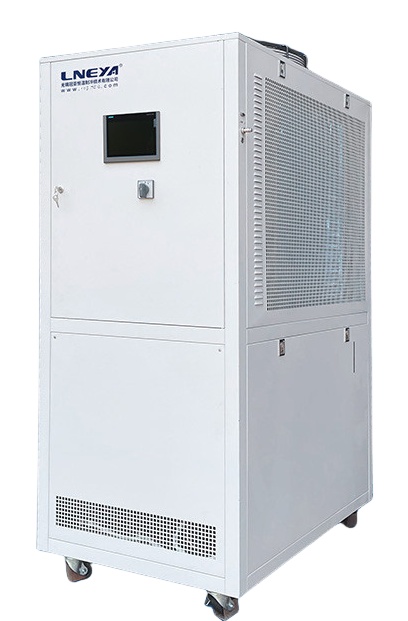
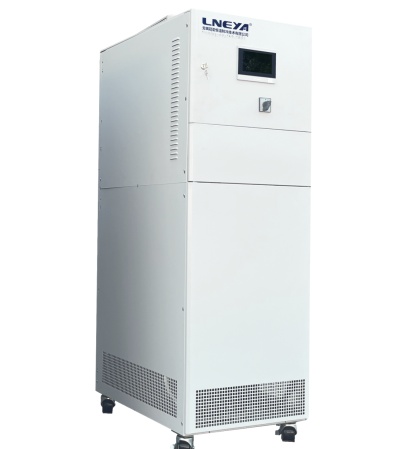
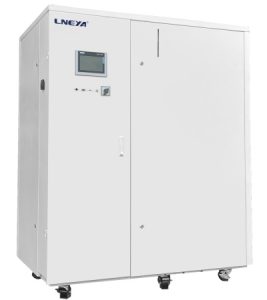
Types of Chiller Suppliers The chiller supply chain comprises various types of suppliers, each playing a distinct role: Manufacturers: These are the primary sources, responsible for designing and producing chillers. They offer a range of products, including air cooled chillers, water cooled chillers, and specialized units (e.g., low-temperature chillers). Manufacturers often provide custom solutions tailored to specific client requirements, such as unique cooling capacities or compatibility with specific fluids.
Distributors/Wholesalers: Act as intermediaries between manufacturers and end-users. They stock a variety of chiller models from multiple manufacturers, allowing clients to compare options and select the most suitable one. Distributors often have regional warehouses, enabling faster delivery and easier access to products for local customers. Specialized Suppliers: Focus on niche segments of the chiller market, such as portable chillers, industrial-grade units for harsh environments, or energy-efficient models. They may offer expertise in specific applications, helping clients choose chillers optimized for their industry (e.g., pharmaceutical, food processing). Rental and Leasing Companies: Provide temporary chiller supply for short-term needs, such as emergency cooling during equipment breakdowns, seasonal demand spikes, or construction projects. They offer flexible terms, including delivery, installation, and maintenance, making them valuable for clients with temporary or variable cooling requirements. The Chiller Supply Process The process of acquiring a chiller through the supply chain typically involves several steps: Needs Assessment: The end-user identifies their cooling requirements, including cooling capacity (in tons or kW), target temperature range, fluid type (water, glycol mixture), and environmental conditions (e.g., ambient temperature, space constraints). This information helps suppliers recommend suitable chiller models. Supplier Selection: The client researches and selects a supplier based on factors like product range, reputation, pricing, delivery timeframes, and after-sales support. They may request quotes from multiple suppliers to compare costs and services. Specification Finalization: Once a supplier is chosen, the client and supplier work together to finalize the chiller’s specifications, ensuring it meets all technical requirements. This may involve confirming details such as compressor type, condenser design, control systems, and safety features.
Order Placement and Production: For standard models, the order is fulfilled from existing stock. Custom chillers require manufacturing, which involves production scheduling, component sourcing, and quality testing by the manufacturer. Delivery and Logistics: The chiller is transported to the client’s location, often via specialized carriers equipped to handle heavy or large equipment. Suppliers coordinate logistics to ensure timely delivery, considering factors like transportation restrictions and on-site access. Installation and Commissioning: Many suppliers offer installation services or partner with contractors to set up the chiller. Commissioning involves testing the system to ensure it operates correctly, including checking refrigerant levels, airflow, and temperature control. Key Factors in Chiller Supply When sourcing chillers, several factors are critical to ensuring a successful supply: Technical Compatibility: The chiller must match the client’s cooling needs, including capacity, temperature range, and fluid compatibility. For example, a food processing plant may require a chiller with stainless steel components to resist corrosion from sanitizing fluids. Reliability and Quality: High-quality chillers from reputable suppliers are more likely to operate efficiently and have longer lifespans. Clients should look for products with certifications (e.g., ISO, AHRI) that verify compliance with industry standards. Delivery Timeframes: Timely delivery is crucial, especially for projects with tight deadlines or emergency replacements. Suppliers with local stock or efficient production schedules can minimize lead times. Cost and Value: While price is a factor, total cost of ownership (including energy efficiency, maintenance, and lifespan) is more important. A slightly more expensive but energy-efficient chiller may offer better long-term value than a cheaper, less efficient model. After-Sales Support: Suppliers that provide maintenance services, spare parts, and technical support ensure the chiller remains operational. This includes warranty coverage, repair services, and access to replacement components. Role of Supply Chains in Chiller Availability
The chiller supply chain is designed to ensure consistent availability, even in dynamic markets: Global and Regional Networks: Large manufacturers and distributors have global supply chains, with production facilities and warehouses in multiple regions. This allows them to respond to local demand and reduce delivery times. Inventory Management: Suppliers use inventory management systems to track stock levels, predicting demand based on seasonal trends (e.g., increased demand for chillers in summer) and industry cycles. This prevents stockouts and ensures popular models are readily available. Collaboration with Component Suppliers: Chiller manufacturers work closely with suppliers of key components (compressors, condensers, controls) to ensure a steady flow of parts, minimizing production delays. Adaptability to Market Changes: The supply chain adapts to trends such as growing demand for energy-efficient chillers or those using low-global-warming-potential (GWP) refrigerants. Suppliers update their product lines to meet new regulations and client preferences. Challenges in Chiller Supply Despite careful planning, chiller supply can face challenges: Supply Chain Disruptions: Factors like raw material shortages, transportation delays, or geopolitical issues can disrupt production and delivery. For example, a shortage of copper (used in condenser coils) may delay chiller manufacturing. Customization Complexity: Custom chillers require longer production times and more coordination between the client and manufacturer, increasing the risk of delays if specifications change or technical issues arise. Balancing Cost and Quality: Pressure to reduce costs may lead some suppliers to offer lower-quality components, affecting the chiller’s performance. Clients must balance cost with quality to avoid long-term issues. In conclusion, chiller supply is a complex process involving multiple stakeholders, from manufacturers to distributors, working together to provide cooling solutions. Understanding the types of suppliers, the supply process, and key considerations when sourcing chillers helps clients acquire reliable, efficient systems that meet their specific needs. A robust supply chain ensures that chillers are available when needed, supporting the smooth operation of industries dependent on effective cooling.
A 120 kW chiller is a powerful cooling device that plays a significant role in various industries and applications. It is designed to remove a large amount of heat from a process or environment, maintaining optimal temperature conditions.
Liquid cooling temperature is a critical factor in various cooling applications. This article comprehensively analyzes it. First, it defines liquid cooling temperature and its significance in maintaining optimal operating conditions. The importance of precise temperature control, such as preventing overheating in electronic devices and ensuring product quality in industrial processes, is explained. Factors affecting liquid cooling temperature, including heat load, coolant properties, and system design, are detailed. Methods for measuring and controlling this temperature, like using thermocouples and PID controllers, are introduced. Applications in fields like data centers, automotive, and aerospace are presented, along with the challenges and future trends in liquid cooling temperature management.
A sistem chiller, or chiller system, is a vital cooling mechanism widely used across various sectors for heat removal and temperature control. This article offers a comprehensive exploration, starting with the basic definition and operating principles of chiller systems, which rely on the refrigeration cycle processes of evaporation, compression, condensation, and expansion. It details different types of chiller systems, such as vapor compression, absorption, and centrifugal chillers, along with their unique features and applications. The key components of chiller systems, factors influencing their performance, and considerations for selection, installation, and maintenance are also thoroughly discussed. Understanding sistem chillers is crucial for optimizing cooling efficiency and ensuring reliable operation in commercial, industrial, and residential settings.
A 25 kW chiller, often associated with a cooling capacity of approximately 9 tons, is a significant piece of equipment for various industrial and commercial cooling needs. This article delves into the aspects of 25 kW chillers, including their types, applications, efficiency factors, and the elements that influence their pricing. It also underscores the importance of considering operational costs, maintenance, and the total cost of ownership. The article aims to guide users in making informed decisions when selecting a 25 kW chiller for their specific requirements.
 Industrial Chiller Heater Equipment Supplier-LNEYA