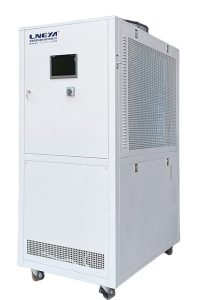
Chiller Coolers: Understanding the Technology and Applications
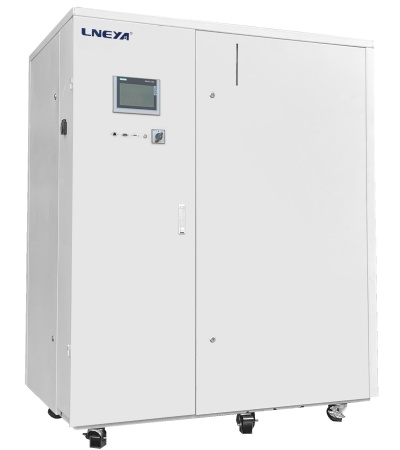
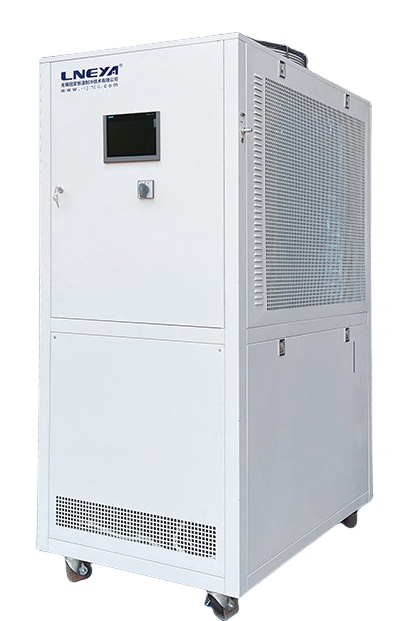
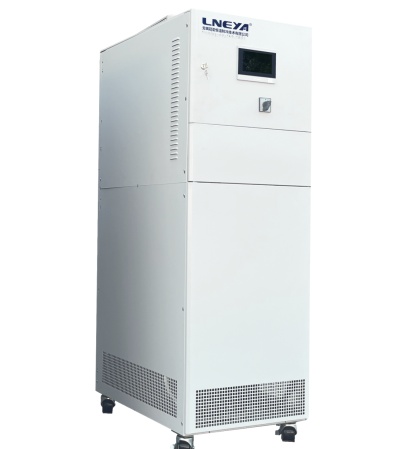
Chiller coolers, often simply referred to as chillers, are complex machinery used for industrial or commercial cooling of liquids. They are distinct from coolers, which are typically smaller, portable containers used for domestic cooling of items or air. Chillers are integral to large-scale operations where precise temperature maintenance is required, whereas coolers are suited for preserving perishable goods like food and beverages on a smaller scale.
Technology Behind Chiller Coolers
Chillers function by removing heat from the working fluid in a refrigeration cycle. They can be integral in air conditioning systems to dissipate heat and are used to maintain specific and constant temperatures in various applications, such as in manufacturing processes and laboratories. Chillers operate on vapor-compression or absorption refrigeration cycles, which involve compression, condensation, expansion, and evaporation. A refrigerant in vapor form is compressed, condensed, expanded, and evaporated to transfer heat and cool the liquid being circulated.
Applications of Chiller Coolers
The primary use of chiller coolers is in industrial or commercial settings where cooling liquids is necessary. They are used in manufacturing processes, air conditioning systems, and other large-scale operations where temperature control is critical. Chillers can maintain precise temperatures, which is essential in industries such as semiconductor manufacturing where temperature fluctuations can affect product quality. They are also used in comfort cooling applications, although on a larger scale than personal coolers.
Efficiency and Latest Industry Trends
Efficiency is a key consideration in chiller coolers, with advancements in technology focusing on maximizing temperature differences across the chiller, minimizing pumping, and optimizing cooling tower approaches. The use of variable speed drives for refrigeration compressors is preferred to match horsepower consumed to the amount of refrigerant required, enhancing the system’s efficiency. The industry is also moving towards more sustainable solutions, with an increased focus on energy conservation and the use of renewable energy sources to power chillers.
Environmental Impact and Sustainability
The environmental impact of chiller coolers is significant, given their high energy consumption. However, efforts are being made to reduce this impact through optimization of refrigeration systems and the use of more efficient chiller combinations. The integration of chillers with renewable energy sources, such as photovoltaic (PV) panels, can reduce their reliance on conventional electricity and decrease greenhouse gas emissions.
Conclusion
Chiller coolers are essential in maintaining optimal temperatures in various industrial and commercial applications. They offer precise temperature control, which is crucial for many processes. As technology advances, the focus is on improving the efficiency and sustainability of chiller coolers, making them more environmentally friendly and cost-effective. The chiller cooler industry is continuously evolving, with new developments aimed at enhancing performance and reducing the environmental footprint of these essential machines.
Efficient portable heaters are designed to provide heat with minimal energy consumption. This article discusses the importance of energy efficiency in portable heaters, the types of heating technologies available, and the features that contribute to energy savings. It also highlights safety considerations and provides a comparison of some of the most efficient models on the market, as rated by experts and consumers.
Ethylene Glycol Cooling Systems: An In-Depth Analysis
Ethylene glycol cooling systems are an essential component in industries where temperature control is critical. Ethylene glycol (EG) is a chemical compound known for its antifreeze properties and is commonly used in cooling systems due to its ability to lower the freezing point of water, making it ideal for applications requiring temperatures below the freezing point of pure water.
Why Ethylene Glycol is Used for Cooling
Ethylene glycol is used in cooling systems because of its ability to depress the freezing point more effectively than propylene glycol. A 30% solution of ethylene glycol freezes at -14 degrees Celsius, which makes it suitable for cooling applications that require operation at sub-zero temperatures. Additionally, ethylene glycol has better heat transfer efficiency and lower viscosity compared to propylene glycol, which allows for more efficient heat transfer and easier circulation in cooling systems.
Applications of Ethylene Glycol Cooling Systems
Ethylene glycol cooling systems are used in a variety of applications, including:
Automobiles: Ethylene glycol serves as an antifreeze for automobiles and industrial water systems. It is also used as a de-icing fluid for aircraft and windshields due to its low freezing point.
Breweries and Distilleries: The brewing and distilling industry relies on glycol chillers for consistent and controlled temperatures, which are critical for product quality.
Dairy Processing Facilities: Dairy products require efficient cooling systems to prevent bacterial growth. Ethylene glycol chillers help maintain consistent temperatures throughout the processing stages.
Ice Rinks: Ethylene glycol chillers can achieve a lower freezing point than water, making them suitable for outdoor ice rinks in warmer climates. They are used in conjunction with mats placed beneath the rink's surface to maintain a frozen surface.
Efficiency and Safety of Ethylene Glycol Cooling Systems
Ethylene glycol-based nanofluids have been studied for their enhanced thermophysical properties, which can improve heat transfer in various applications, including automotive radiators and electronic cooling. These nanofluids can lead to a rapid decrease in temperature at the boundary layer, enhancing the overall efficiency of the cooling system.
However, it is important to ensure compliance and safety with glycol systems. Ethylene glycol is toxic if ingested or inhaled in high doses, so proper handling and safety measures are crucial. Regular maintenance, including checking for leaks, blockages, and corrosion, is essential to minimize downtime and ensure the system's reliability, especially in high-occupancy facilities where consistent cooling is critical.
Market Trends for Ethylene Glycol Cooling Systems
The market for ethylene glycol is expected to grow due to its diverse applications in coolant and heat-transfer agents, antifreeze, and as a precursor to polymers. The ethylene glycol market was valued at USD 10 billion in 2018 and is projected to reach higher values by 2028, growing at a CAGR of 4% during 2019-2028. This growth indicates a continued reliance on ethylene glycol for cooling systems and other applications.
Conclusion
Ethylene glycol cooling systems are vital in maintaining low temperatures in a range of industrial and commercial applications. Their effectiveness in low-temperature environments, heat transfer efficiency, and growing market demand highlight the importance of ethylene glycol in the cooling systems industry. As technology advances and market trends evolve, the use of ethylene glycol in cooling systems is expected to continue, with a focus on enhancing efficiency and ensuring safety.
Chillers cooling systems are crucial for maintaining optimal temperatures in various industrial and commercial applications. This article offers a comprehensive overview of such systems. It commences with an explanation of the fundamental working principles, including vapor compression and absorption cycles. The key components like compressors, condensers, evaporators, and expansion valves are then elaborated, highlighting their functions within the system. Subsequently, the diverse applications across sectors such as manufacturing, data centers, and healthcare are explored, emphasizing how these systems enhance operational efficiency and product quality. Additionally, factors influencing system selection, like cooling capacity, energy efficiency, and environmental impact, are analyzed. By the end, readers will possess a profound understanding of chillers cooling systems, equipping them to make informed decisions regarding their implementation and maintenance.
This article delves into the workings and significance of water recirculation coolers, emphasizing their role in energy efficiency, cost savings, and environmental sustainability. It outlines the basic principle of recirculating water to cool industrial equipment and machinery, highlighting their advantages over traditional cooling methods. Furthermore, it discusses the various types of water recirculation coolers, maintenance considerations, and the importance of water treatment to prevent scaling, corrosion, and microbial growth, ensuring optimal performance and longevity.
 Industrial Chiller Heater Equipment Supplier-LNEYA