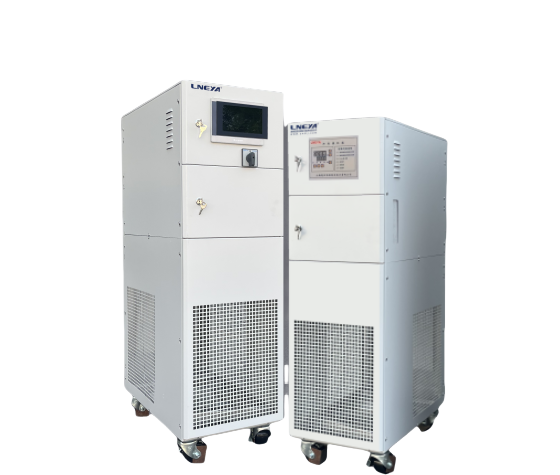
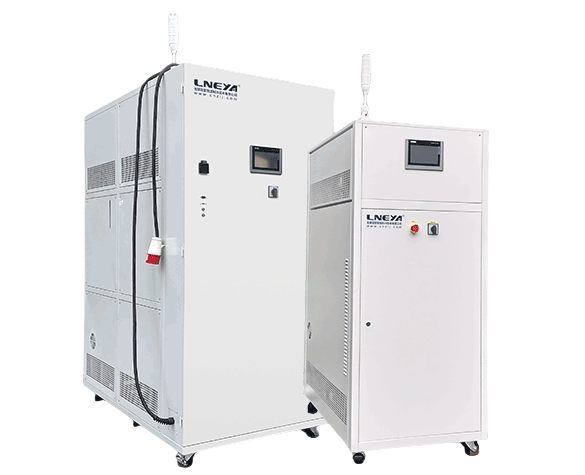
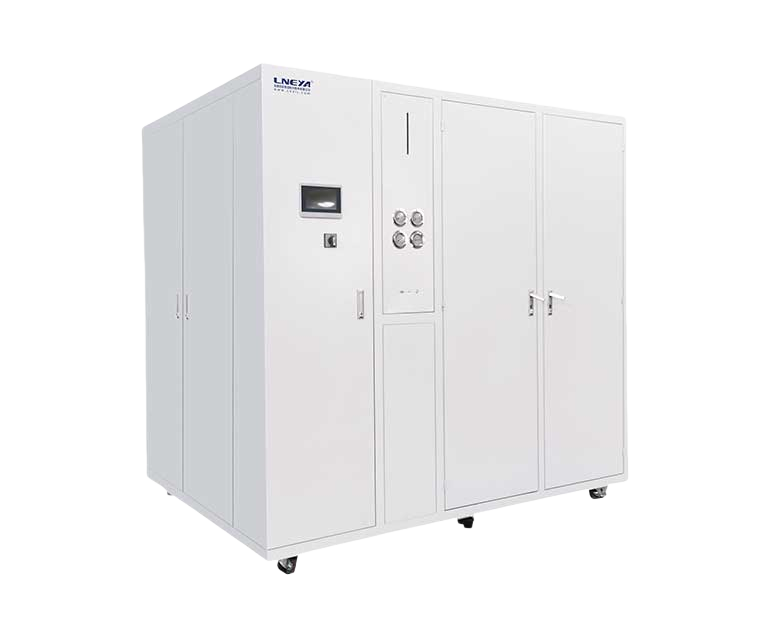
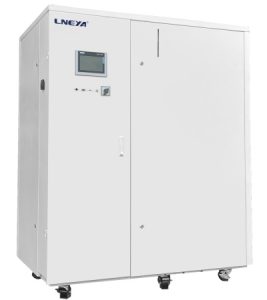
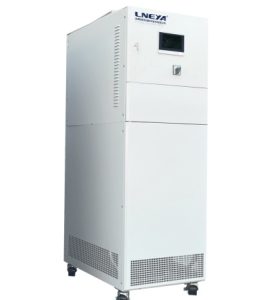
60 Ton Air-Cooled Chiller: Medium-Scale Cooling Solutions for Commercial and Industrial Applications
A 60-ton air-cooled chiller is an essential component in HVAC systems, providing cooling for medium to large-scale commercial and industrial applications. These chillers use ambient air for heat rejection, making them suitable for areas with limited water resources or where water conservation is a priority.
Key Features of 60 Ton Air-Cooled Chillers
Cooling Capacity: With a capacity to remove up to 60 tons of heat, these chillers are suitable for medium-scale cooling needs. Air-Cooled Condenser: Utilizes ambient air and a condenser fan for heat dissipation, providing a simple and space-saving solution. Energy Efficiency: Modern chillers are designed with energy-saving technologies, such as variable frequency drives (VFDs) and high-efficiency compressors. Types of 60 Ton Air-Cooled Chillers
Screw Chillers: Known for their efficiency and ability to handle large cooling loads, making them suitable for continuous operation.
Scroll Chillers: Offer quiet operation and are energy-efficient, making them suitable for commercial buildings and smaller industrial applications. Applications of 60 Ton Air-Cooled Chillers These chillers serve a variety of applications, including:
Commercial Buildings: Office buildings, shopping centers, and hotels that require extensive cooling. Industrial Processes: Manufacturing plants, food processing facilities, and chemical industries that demand precise temperature control. Data Centers: Cooling servers and IT equipment to prevent overheating and ensure optimal performance. Maintenance and Operation Proper maintenance of 60-ton air-cooled chillers includes:
Regular Inspections: Checking for leaks, corrosion, and wear in the system. Filter Cleaning: Ensuring that air filters and strainers are clean to maintain optimal heat exchange efficiency. Oil Changes: Replacing compressor oil as recommended by the manufacturer to ensure the longevity of the chiller.
Environmental Considerations Air-cooled chillers are designed with environmental sustainability in mind, using refrigerants with low ozone depletion potential (ODP) and low global warming potential (GWP). They also feature energy-saving technologies to reduce their carbon footprint.
Conclusion A 60-ton air-cooled chiller offers a reliable and efficient cooling solution for medium-scale applications. By understanding their key features, types, applications, and the factors involved in their selection and maintenance, users can ensure optimal performance and reliability in their processes. The advancements in cooling technology have made these systems more accessible and efficient for a wide range of operations.
This article provides a comprehensive guide to 60-ton air-cooled chillers, discussing their key features, types, applications, and the considerations for their selection and maintenance. It emphasizes the importance of choosing the right chiller for specific cooling needs and highlights the advancements in cooling technology that have made these systems more accessible and efficient.
Glycol chiller systems utilize a mixture of water and glycol as a coolant to control and maintain temperatures in various industrial and commercial applications. Known for their freezing point depression, antifreeze properties, and efficient heat transfer, these systems are particularly suited for cold environments and processes requiring precise temperature control. They are employed in HVAC systems, process cooling, data centers, and the food and beverage industry, among others. This article delves into the science behind glycol chiller systems, their advantages, safety considerations, and applications, providing a comprehensive understanding of their importance in temperature regulation.
Climatic chamber tests are critical for assessing how products, materials, and biological specimens respond to various environmental conditions. These tests simulate temperature, humidity, and other factors to ensure product reliability and performance. The article discusses the principles, types, applications, benefits, and safety considerations of climatic chamber tests, providing a comprehensive understanding of their importance in research and industry.
A refrigeration unit ton, often simply referred to as a “ton,” is a unit of measurement used to quantify the cooling capacity of refrigeration and air - conditioning systems. One refrigeration ton is equivalent to the heat removal rate of melting 1 ton of ice at 32°F (0°C) in 24 hours, which equals 12,000 British Thermal Units per hour (BTU/h). This unit is crucial for sizing refrigeration systems, assessing energy consumption, and comparing system performance. Understanding refrigeration tons helps in the design, selection, and operation of refrigeration units for various applications, from residential air - conditioners to large - scale industrial chillers. Different industries and scenarios have specific requirements for cooling capacity measured in tons, making it an essential concept in the refrigeration field.
Lab baths, essential in scientific research, are temperature - controlled devices for maintaining samples at specific temperatures. They operate through heating elements, cooling systems (if applicable), and precise temperature - regulating mechanisms. There are diverse types, such as water baths for gentle heating and uniform temperature distribution, oil baths for higher - temperature applications, and circulating baths offering enhanced heat transfer. Lab baths find use in biology for incubating cell cultures, in chemistry for reaction control, and in material science for sample preparation. When using them, safety precautions like proper liquid filling and avoiding overheating are crucial. Regular maintenance, including cleaning and checking temperature accuracy, ensures optimal performance and longevity.
 Industrial Chiller Heater Equipment Supplier-LNEYA