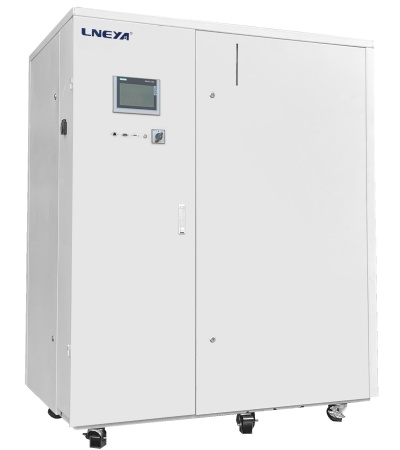
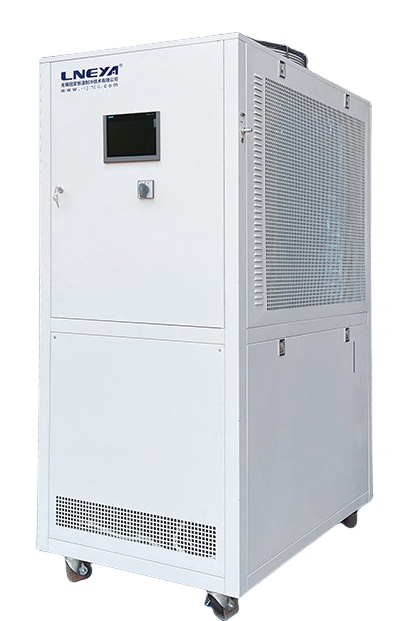
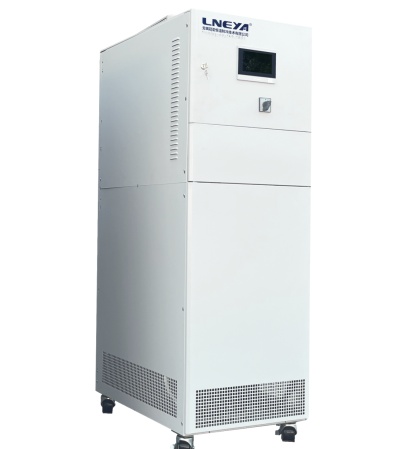
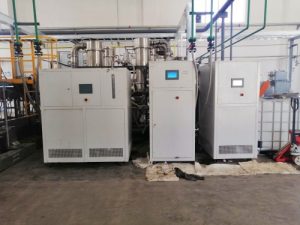
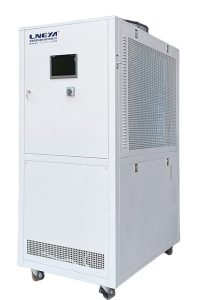
The Significance of Air Cooled Water Chiller Manufacturers These manufacturers are crucial as they supply air cooled water chillers, which are vital for maintaining optimal temperatures in numerous applications. In commercial buildings such as offices, hotels, and shopping malls, air cooled water chillers are used in air – conditioning systems to provide a comfortable indoor environment for occupants. In industrial settings, they are used to cool machinery, equipment, and processes, ensuring smooth operation and preventing overheating. Without reliable air cooled water chiller manufacturers, many industries would face challenges in maintaining the required temperature conditions for their operations.
Product Features of Air Cooled Water Chillers Produced by Manufacturers
High – Efficiency Cooling Manufacturers focus on developing air cooled water chillers with high – efficiency cooling capabilities. They use advanced heat – exchange technologies, such as fin – and – tube heat exchangers with optimized fin designs. These heat exchangers increase the surface area for heat transfer, allowing the chiller to effectively dissipate heat from the water to the surrounding air. As a result, the water can be cooled rapidly and efficiently, meeting the cooling demands of different applications.
Easy Installation Air cooled water chillers produced by manufacturers are designed to be easy to install. They often come as pre – assembled units, requiring only basic connections for power, water inlet and outlet, and control wiring. This simplicity in installation reduces the time and cost associated with setting up the chiller system. It also makes it suitable for applications where quick installation is required, such as in retrofit projects or temporary cooling setups.
Low Maintenance Requirements
Manufacturers strive to produce air cooled water chillers with low maintenance requirements. They use high – quality components that are durable and less prone to wear and tear. For example, the compressors used in these chillers are often of high – grade quality, with advanced lubrication systems that reduce friction and extend the lifespan of the compressor. Additionally, the design of the chiller allows for easy access to components, making maintenance tasks such as cleaning the condenser fins and replacing filters straightforward.
Technological Advantages of Manufacturers
Advanced Refrigeration Technology Air cooled water chiller manufacturers are at the forefront of developing advanced refrigeration technology. They are constantly researching and implementing new refrigerant technologies, such as the use of low – global – warming – potential (GWP) refrigerants. These refrigerants have a reduced impact on the environment compared to traditional ones, while still providing efficient cooling performance. Manufacturers also optimize the refrigeration cycle, using advanced compressors, expansion valves, and control systems to improve the overall efficiency of the chiller.
Intelligent Control Systems Intelligent control systems are another area where manufacturers excel. Many of the air cooled water chillers they produce are equipped with advanced microcontrollers and programmable logic controllers (PLCs). These control systems can monitor and adjust various parameters in real – time, such as water temperature, air flow rate, and compressor operation. They can also implement complex control algorithms, such as proportional – integral – derivative (PID) control, to ensure precise temperature control. Some chillers can even be connected to a central building management system (BMS), allowing for remote monitoring and control. This level of automation and intelligence improves the reliability and efficiency of the chiller operation.
Energy – Saving Technologies In response to the growing global concern for energy conservation, manufacturers are developing energy – saving technologies for air cooled water chillers. They use variable – speed drives (VSDs) in compressors and fans, which can adjust the speed according to the actual cooling load. This reduces the energy consumption during partial – load operation, as the chiller can operate at a lower capacity when the demand is low. Some manufacturers also incorporate energy – recovery systems, which can capture and reuse the heat generated during the cooling process, further improving the energy efficiency of the chiller.
Market Position and Competition
Global Market Share and Regional Distribution Air cooled water chiller manufacturers have a significant presence in the global market. In regions with a high demand for cooling, such as North America, Europe, and Asia – Pacific, these manufacturers compete to capture market share. In North America, manufacturers benefit from the well – developed commercial and industrial sectors, where air cooled water chillers are widely used in data centers, office buildings, and manufacturing plants. In Europe, strict energy – efficiency regulations drive the demand for high – performance air cooled water chillers, and manufacturers in the region focus on meeting these requirements. In the Asia – Pacific region, the rapid growth of the economy, especially in countries like China and India, has led to an increasing demand for air cooled water chillers in the commercial and industrial sectors.
Competition Landscape The competition among air cooled water chiller manufacturers is intense. Well – established international manufacturers with long – standing reputations compete with emerging local manufacturers. International manufacturers often have the advantage of advanced technology, global brand recognition, and a wide distribution network. They can offer a diverse range of products with high – end features. Local manufacturers, on the other hand, may have a better understanding of the local market needs and can provide more customized solutions at a competitive price. Some local manufacturers also focus on cost – effective production methods, which allows them to offer more affordable products, especially in price – sensitive markets.
Considerations when Selecting an Air Cooled Water Chiller Manufacturer
Product Quality and Reliability The quality and reliability of the air cooled water chillers produced by the manufacturer are of utmost importance. High – quality chillers are more likely to operate smoothly over a long period, with fewer breakdowns and maintenance requirements. Look for manufacturers with a reputation for using high – grade materials and advanced manufacturing techniques. Check for certifications such as ISO standards, which indicate that the manufacturer adheres to certain quality management systems.
Technical Support and Expertise The manufacturer should have a team of technically knowledgeable staff who can provide support throughout the life cycle of the chiller. They should be able to offer guidance on installation, operation, and maintenance. In case of any technical issues, the manufacturer should be able to provide prompt and effective solutions. Their expertise can also help in customizing the chiller to meet specific customer needs.
Customization Capabilities Different applications may have unique cooling requirements. A reliable manufacturer should be able to offer customization options for their air cooled water chillers. For example, they may be able to adjust the cooling capacity, modify the control system, or select specific components based on the customer’s needs. This flexibility allows customers to get a chiller that is tailored to their specific application.
After – Sales Service After – sales service is a crucial factor when selecting a manufacturer. A good manufacturer will offer services such as installation assistance, regular maintenance, and prompt repair services. They should have a network of technicians who can quickly respond to any issues that may arise with the chiller. This ensures that the downtime of the cooling system is minimized, which is especially important for industries where continuous operation is critical.
Future Trends for Air Cooled Water Chiller Manufacturers
Sustainable Development Sustainable development is a major trend for air cooled water chiller manufacturers. They are expected to focus more on reducing the environmental impact of their products. This includes using more environmentally friendly refrigerants, improving the energy efficiency of their chillers to reduce energy consumption and greenhouse gas emissions, and implementing sustainable manufacturing practices. Manufacturers may also explore the use of renewable energy sources to power their chillers, such as solar or wind energy.
Digitalization and Connectivity The trend towards digitalization and connectivity will continue to influence air cooled water chiller manufacturers. They will integrate more advanced sensors and communication technologies into their chillers, enabling real – time monitoring, predictive maintenance, and remote control. This will not only improve the operation and maintenance of the chillers but also enhance the overall customer experience. For example, through predictive maintenance, manufacturers can detect potential issues with the chiller before they cause a breakdown, reducing downtime and maintenance costs. In conclusion, air cooled water chiller manufacturers are an essential part of the refrigeration industry. Understanding their significance, product features, technological advantages, market position, and future trends, as well as the considerations when selecting a manufacturer, is crucial for anyone looking to invest in or use air cooled water chiller systems.
Packaged chillers are self-contained cooling systems that integrate major components like compressors, condensers, and evaporators into a single unit. They are available in air-cooled or water-cooled designs and are used in various applications, including industrial processes, HVAC systems, and more. These chillers offer benefits such as ease of installation, energy efficiency, and space savings. The market for packaged chillers is growing due to demand for efficient and sustainable cooling solutions.
Cooling with heat, a concept that may seem paradoxical, involves using heat energy to drive cooling processes. This is achieved through technologies like absorption and adsorption cooling systems. In absorption cooling, a refrigerant - absorbent pair is used, with heat causing the refrigerant to vaporize and then cool as it condenses. Adsorption cooling relies on a solid adsorbent material to trap and release the refrigerant based on heat application. These systems find applications in industrial waste - heat recovery for cooling, combined - heat - and - power (CHP) plants for cogeneration of cooling, heating, and electricity, and in some residential and commercial settings. The advantages include energy efficiency by utilizing waste heat, reduced reliance on traditional power - intensive cooling methods, and environmental benefits. However, challenges such as complex system design and the need for suitable heat sources exist.
A 20-ton water chiller is a robust industrial HVAC unit capable of removing massive amounts of heat, providing cooling to large-scale commercial and industrial applications. The abstract encapsulates the key aspects of such chillers, including their cooling capacity, typical configurations like air-cooled or water-cooled systems, and the importance of maintenance for optimal performance and longevity. It also touches on the use of eco-friendly refrigerants and advanced technologies that enhance the chiller's efficiency.
Chilled pumps play a pivotal role in various cooling systems, especially those in HVAC and industrial applications. This article provides a comprehensive overview of chilled pumps, including their definition, working principles, types, performance parameters, advantages, challenges, and applications. Chilled pumps circulate chilled water or refrigerant to transfer heat away from target areas, ensuring proper temperature control. Different types, such as centrifugal and positive displacement pumps, have unique features. Understanding their operation, performance metrics, and usage scenarios helps in optimizing cooling system efficiency and making informed decisions regarding their selection and maintenance.
 Industrial Chiller Heater Equipment Supplier-LNEYA