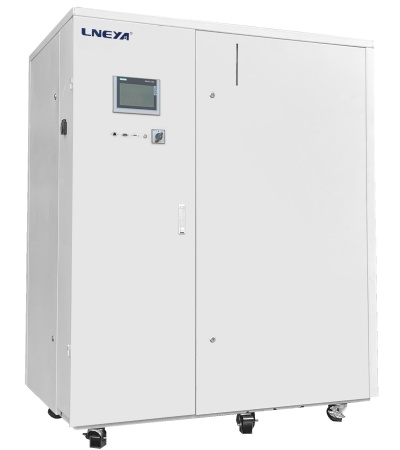
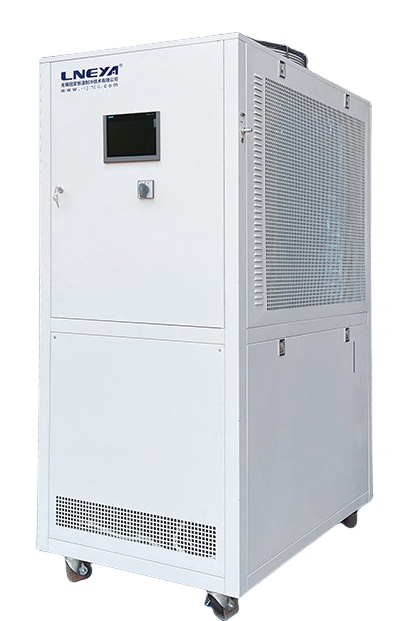
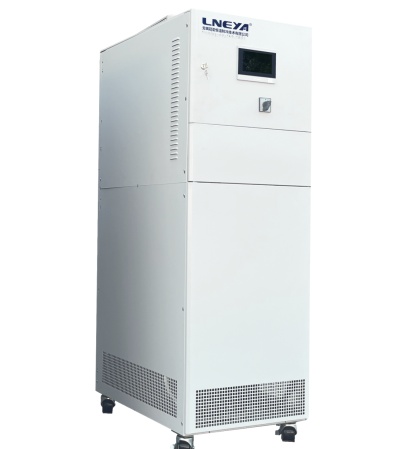
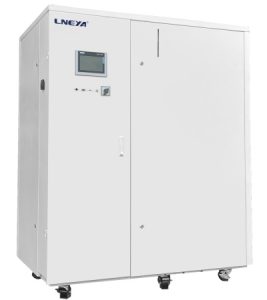
Air chillers play a vital role in modern cooling solutions, enabling the removal of heat from spaces and processes to maintain optimal temperatures. Whether it’s ensuring a comfortable indoor environment in homes and offices, maintaining precise temperature control in data centers, or facilitating industrial manufacturing processes, air chiller cooling systems are indispensable. Understanding how these systems work, the different types available, and their applications is essential for making informed decisions regarding their implementation and operation.
Working Principles of Air Chillers The Refrigeration Cycle At the heart of air chiller cooling is the refrigeration cycle, which typically consists of four main components: the compressor, condenser, expansion valve, and evaporator. The compressor raises the pressure and temperature of the refrigerant gas. This high – pressure, high – temperature gas then flows to the condenser, where it releases heat to the surrounding air, usually through fans. As the refrigerant loses heat, it condenses into a liquid. The liquid refrigerant then passes through the expansion valve, which reduces its pressure, causing it to cool down significantly. Finally, in the evaporator, the cold refrigerant absorbs heat from the medium to be cooled, such as water or air in a building’s HVAC system. As it absorbs heat, the refrigerant vaporizes and returns to the compressor, restarting the cycle. Heat Transfer Mechanisms Heat transfer is the key process in air chiller operation. In the condenser, heat is transferred from the hot refrigerant to the ambient air through convection and radiation. Fans are often used to enhance the convective heat transfer by increasing the air flow over the condenser coils. In the evaporator, heat is transferred from the warmer medium (e.g., water or air in the building) to the cold refrigerant, again primarily through convection. The efficiency of these heat transfer processes directly impacts the overall performance of the air chiller. Types of Air Chillers Air – Cooled Chillers Design and Operation: Air – cooled chillers are the most common type. They use ambient air as the cooling medium for the condenser. The chiller consists of an outdoor unit with a compressor, condenser coils, and fans, and an indoor unit with an evaporator and associated components. The fans blow air over the condenser coils, facilitating the transfer of heat from the refrigerant to the air. This type of chiller is relatively easy to install since it doesn’t require a separate water – cooling infrastructure like cooling towers. Advantages: Air – cooled chillers are highly flexible in terms of installation location, as they can be placed outdoors in well – ventilated areas. They have lower initial installation costs compared to water – cooled chillers, as there is no need for complex water – handling systems. Maintenance is also relatively straightforward, mainly involving cleaning the condenser coils and checking the fan operation. Disadvantages: However, they are less energy – efficient in hot and humid climates. High ambient temperatures can reduce the efficiency of heat rejection, leading to increased energy consumption. Additionally, the fans can produce noise, which may be a concern in some applications. Evaporative Chillers Design and Operation: Evaporative chillers, also known as swamp coolers, work on the principle of evaporation. They use water evaporation to cool the air. Warm air from the environment is drawn through pads or media saturated with water. As the air passes over the wet pads, the water evaporates, absorbing heat from the air and reducing its temperature. The cooled air is then distributed into the space. Evaporative chillers typically have a water pump to circulate water over the pads and a fan to move the air. Advantages: These chillers are highly energy – efficient, especially in dry climates. They consume significantly less electricity compared to traditional refrigeration – based chillers, as they rely on the natural cooling effect of evaporation. Evaporative chillers also add moisture to the air, which can be beneficial in arid regions. Disadvantages: They are not suitable for humid environments, as the evaporation process is less effective when the air is already saturated with moisture. Additionally, they require a continuous supply of water and proper maintenance to prevent the growth of mold and bacteria in the water – handling components. Absorption Chillers Design and Operation: Absorption chillers operate on a different principle compared to compression – type chillers. They use a heat source, such as steam, hot water, or waste heat from industrial processes, instead of mechanical compression. The system consists of an absorber, a generator, a condenser, an evaporator, and a pump. A refrigerant (usually ammonia) and an absorbent (commonly lithium bromide) are used. Heat is applied in the generator to separate the refrigerant from the absorbent. The refrigerant then goes through the condenser, expansion valve, and evaporator, similar to a traditional refrigeration cycle. The absorbent returns to the absorber to complete the cycle.
Advantages: Absorption chillers are ideal for applications where there is a readily available waste – heat source, such as in power plants or manufacturing facilities. They can help in reducing overall energy consumption by utilizing otherwise wasted heat. They also operate quietly and produce less vibration compared to compression – type chillers. Disadvantages: They are more complex in design and require more maintenance due to the handling of the absorbent and refrigerant solutions. Absorption chillers also have a lower coefficient of performance (COP) compared to compression – type chillers, meaning they consume more heat energy to produce the same amount of cooling. Applications of Air Chillers Residential Applications In homes, air – cooled chillers are often used in central air – conditioning systems. They provide efficient cooling for the entire house, maintaining a comfortable indoor environment during hot summer months. Some high – end residential properties may also use absorption chillers in combination with solar – thermal systems, leveraging the heat from the sun to power the cooling process, thus reducing electricity consumption and environmental impact. Commercial Applications Office Buildings: Commercial office buildings rely on air chillers to create a comfortable working environment for employees. Large – scale air – cooled or water – cooled chillers are typically installed to meet the high cooling demands of these buildings. These chillers are often integrated with building management systems (BMS) to optimize energy usage, control temperature settings for different zones, and monitor the performance of the equipment. Data Centers: Data centers generate a massive amount of heat from servers and other electronic equipment. Air chillers are crucial for maintaining the optimal temperature and humidity levels to ensure the proper functioning and longevity of the equipment. Specialized chillers designed for data centers often have high – efficiency ratings and advanced control systems to handle the continuous cooling load. Hotels and Retail Stores: Hotels use air chillers to cool guest rooms, lobbies, and other common areas, enhancing the comfort of guests. Retail stores, especially large shopping malls, rely on air chiller cooling systems to create a pleasant shopping atmosphere, attracting and retaining customers. Industrial Applications Manufacturing Processes: In industries such as food and beverage, pharmaceutical, and chemical manufacturing, precise temperature control is essential. Air chillers are used to cool machinery, reactors, and other equipment to prevent overheating, which could lead to product defects or equipment failure. For example, in the food industry, chillers are used to cool products during processing, storage, and transportation to maintain their quality and safety. Plastic and Metalworking Industries: In plastic manufacturing, air chillers are used to cool injection molds, ensuring the proper shaping and quality of plastic parts. In metalworking, they help cool cutting tools and workpieces to prevent excessive wear and maintain machining accuracy. Selection, Installation, and Maintenance Selection Considerations Cooling Capacity: Determining the appropriate cooling capacity is crucial. Factors such as the size of the space to be cooled, the number of occupants, the heat load from equipment, and the local climate need to be considered. An undersized chiller will struggle to meet the cooling demand, while an oversized chiller will be less energy – efficient and more costly. Energy Efficiency: Look for air chillers with high energy – efficiency ratings, such as those certified by ENERGY STAR or other recognized standards. Higher – efficiency chillers consume less energy, resulting in lower operating costs over time. Features like variable – speed drives for compressors and fans can also enhance energy efficiency by adjusting the chiller’s output based on the actual cooling load. Type of Chiller: Consider the specific requirements of the application when choosing the type of air chiller. Air – cooled chillers are suitable for most general applications where water – cooling infrastructure is not available or practical. Evaporative chillers are ideal for dry climates, while absorption chillers are best suited for applications with a waste – heat source. Noise Levels: In applications where noise is a concern, such as residential areas or quiet office environments, pay attention to the noise levels of the air chiller. Some models are designed to operate more quietly, with features like sound – insulated enclosures and advanced fan designs. Installation Proper installation is essential for the optimal performance of air chillers. For air – cooled chillers, the outdoor unit should be placed in a well – ventilated area with sufficient clearance around it to ensure proper air flow. The refrigerant lines need to be installed correctly, with proper insulation to prevent leaks and heat loss. In the case of absorption chillers, the installation of the heat source connection and the piping for the absorbent and refrigerant solutions requires careful attention to ensure safety and proper operation. It is recommended to have air chillers installed by professional technicians who are experienced in HVAC system installation.
Maintenance Regular maintenance is key to keeping air chillers in good working condition. For air – cooled chillers, tasks include cleaning the condenser coils regularly to remove dirt, dust, and debris, which can reduce the efficiency of heat transfer. Checking and replacing air filters, if applicable, is also important. In absorption chillers, maintaining the proper concentration of the absorbent and refrigerant solutions, as well as cleaning and inspecting the various components, is crucial. Additionally, all types of air chillers should have their electrical connections, controls, and safety devices checked regularly to ensure safe and reliable operation. Energy Efficiency and Environmental Impact Energy – Efficiency Improvements Variable – Speed Drives: Many modern air chillers are equipped with variable – speed drives for compressors and fans. These drives allow the chiller to adjust its output based on the actual cooling load. For example, during periods of low demand, the compressor speed can be reduced, consuming less electricity. This results in significant energy savings over time. Heat Recovery Systems: Some air chillers are designed with heat recovery systems. These systems capture the waste heat generated during the cooling process and can be used for other purposes, such as pre – heating water or providing space heating. By recovering and reusing this heat, the overall energy efficiency of the chiller system is improved. Smart Controls: The integration of smart control systems in air chillers enables more precise monitoring and adjustment of the chiller’s operation. These controls can be connected to sensors that measure temperature, humidity, and occupancy, allowing the chiller to optimize its performance based on real – time data. Environmental Impact Air chillers can have both positive and negative environmental impacts. On the negative side, traditional chillers that use refrigerants with high global warming potential (GWP), such as some hydrofluorocarbons (HFCs), contribute to climate change. However, the industry is moving towards more environmentally friendly refrigerants, such as hydrofluoroolefins (HFOs) and natural refrigerants like ammonia and carbon dioxide. Additionally, improving the energy efficiency of air chillers reduces their overall energy consumption, which in turn decreases the demand for electricity generated from fossil fuels, helping to mitigate greenhouse gas emissions. Future Trends in Air Chiller Cooling Smart and Connected Chillers The future of air chiller cooling lies in the integration of smart technology. Chillers will be able to communicate with other building systems, such as lighting, ventilation, and security systems, through the Internet of Things (IoT). This connectivity will enable more intelligent control, where the chiller can adjust its operation based on real – time data from multiple sources, such as occupancy sensors, weather forecasts, and energy – usage patterns. Smart chillers will also be able to self – diagnose problems and notify maintenance personnel, reducing downtime and improving overall system reliability. Increased Focus on Renewable Energy Integration There is a growing trend towards integrating renewable energy sources with air chiller systems. Solar – powered chillers are becoming more popular, especially in regions with abundant sunlight. These chillers use solar panels to generate electricity, which powers the chiller’s compressor and other components. Additionally, the use of geothermal energy in combination with air chillers is being explored, leveraging the stable temperature of the ground to enhance the efficiency of the cooling process. Advanced Materials and Technologies Research and development efforts are focused on creating advanced materials and technologies for air chillers. New heat – transfer materials with higher thermal conductivity are being developed to improve the efficiency of condensers and evaporators. Nanotechnology – based coatings can be applied to surfaces to reduce fouling and enhance heat transfer. Additionally, the development of more efficient compressors and fans, as well as innovative refrigeration cycles, will further improve the performance of air chiller cooling systems. In conclusion, air chiller cooling systems are an essential part of modern cooling solutions, with diverse applications and significant implications for energy consumption and the environment. Understanding their working principles, types, applications, and the latest trends in energy efficiency and technology is crucial for making informed decisions and ensuring the optimal performance of these systems. As technology continues to evolve, air chiller cooling systems will become even more efficient, sustainable, and intelligent.
Air cooled and water cooled systems are two prevalent cooling methods widely used across various industries. This article provides an in - depth analysis of these systems, starting with their fundamental definitions and working principles. It meticulously compares their key components, such as condensers and heat exchangers, and evaluates their performance in terms of energy efficiency, cooling capacity, noise levels, and maintenance requirements. The diverse applications of air cooled and water cooled systems in commercial buildings, industrial facilities, and data centers are explored. Additionally, factors to consider when selecting between the two, along with installation and maintenance best practices, are discussed. Finally, future trends shaping these cooling technologies are examined, offering a comprehensive understanding for making informed decisions.
High - efficiency portable heaters are compact, mobile heating devices engineered to deliver warmth with minimal energy consumption. This article provides an in - depth exploration. It first defines their characteristics, such as portability and energy - saving features. The working principles, like advanced convection and radiation mechanisms, are explained. Different types, including electric infrared, forced - air, and some innovative hybrid models, are introduced. Their applications span residential, commercial, and outdoor scenarios, from heating small rooms to providing warmth at construction sites. The advantages in terms of energy savings, cost - effectiveness, and environmental friendliness are detailed. Maintenance aspects, such as cleaning and component checks, are covered. Guidance on choosing the right high - efficiency portable heater, considering factors like heating capacity, energy ratings, and safety features, is also provided.
The article discusses the concept of cooling capacity in chillers, a critical factor in determining the appropriate chiller for various applications. It explains how cooling capacity is measured, the factors that influence it, and the importance of accurately sizing chillers to ensure efficiency and cost-effectiveness. The article also covers the impact of cooling capacity on energy consumption and provides guidelines for selecting chillers based on cooling capacity.
A heater chiller circulator is a versatile laboratory instrument capable of providing both heat and cold to reactors, tanks, and other vessels. These devices are essential for temperature control in various scientific applications, including chemical reactions, biological sample incubation, and physical experiments. The article discusses the technology, applications, safety guidelines, and industry standards related to heater chiller circulators, offering a comprehensive overview of their importance in maintaining precise temperature conditions.
 Industrial Chiller Heater Equipment Supplier-LNEYA