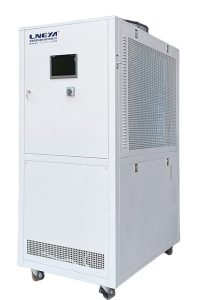
Water Chiller Price List: Types, Costs, and Buying Guide
Types of Water Chillers and Their Price Ranges Water chillers are categorized by cooling method and application. Below are common types with average prices:
A. Portable Water Chillers Capacity: 0.5–5 tons
Price: $500–$5,000
Use: Small-scale labs, medical equipment, or server cooling.
B. Air-Cooled Chillers Capacity: 5–200 tons
Price: $5,000–$30,000
Use: Commercial buildings; lower installation costs but less efficient than water-cooled models.
C. Water-Cooled Chillers Capacity: 10–2,000 tons
Price: $10,000–$50,000+
Use: Large industrial facilities; higher efficiency but requires cooling towers.
D. Centrifugal Chillers Capacity: 100–4,000 tons
Price: $50,000–$500,000+
Use: Large factories/data centers; most efficient for high-capacity needs.
Factors Influencing Water Chiller Prices Capacity: Larger units (e.g., 100-ton chillers) cost significantly more than 10-ton models.
Energy Efficiency: Units with inverter compressors or ENERGY STAR ratings may cost 10–20% more but save long-term energy costs.
Brand Reputation: Premium brands (e.g., Mitsubishi, York) charge higher prices due to reliability and warranty.
Refrigerant Type: Eco-friendly refrigerants (e.g., R-32) may increase costs compared to older types like R-22.
Additional Costs to Consider Installation: $1,000–$20,000 (depends on system complexity).
Maintenance: Annual servicing costs $500–$2,000.
Accessories: Pumps, piping, or thermal storage tanks add 10–30% to the total price.
Where to Find Price Lists Manufacturer Websites: Trane, Carrier, and LG provide detailed catalogs.
Online Marketplaces: Compare prices on Amazon, Alibaba, or eBay.
Local HVAC Suppliers: Request quotes for tailored solutions.
How to Choose the Right Water Chiller Calculate Cooling Load: Use a BTU calculator or consult an HVAC engineer.
Prioritize Efficiency: Opt for units with high COP (≥ 3.5) or IEER ratings.
Check Warranty: Look for 5–10-year coverage on compressors.
Conclusion
Water chiller prices depend on type, capacity, and features. While upfront costs are important, consider long-term efficiency and maintenance to make a cost-effective choice. Always compare multiple quotes and consult experts before purchasing.
This article offers a comprehensive exploration of modular chiller manufacturers. It starts by explaining what modular chillers are and their unique advantages, such as flexibility in capacity expansion and easy installation. Then, it delves into the key aspects of reliable manufacturers, including their product range, technological innovation capabilities, and quality control measures. The article also provides guidance on how to choose the right modular chiller manufacturer, considering factors like reputation, customization options, and after - sales service. Overall, it aims to help readers understand the modular chiller manufacturing landscape and make informed decisions.
Teperature water baths are essential laboratory devices for maintaining stable temperatures. They operate with heating elements and precise temperature - regulating systems. Water, with its high specific heat capacity, is the heat - transfer medium, enabling gentle and consistent heating. These baths are designed to reach temperatures up to around 100°C. In biological research, they are used for cell culture incubation at 37°C. In chemistry, they control reaction temperatures. Their uniform temperature distribution, achieved through water circulation, is crucial. When using them, safety measures like proper water filling and avoiding overheating are vital. Regular maintenance, including cleaning and thermostat calibration, ensures accurate temperature control and long - term functionality.
Chiller group refers to a collective of chiller units working in synergy to provide cooling solutions for various applications. These groups are designed for optimal efficiency and energy savings, with applications in industrial processes, HVAC systems, and more. This article discusses the definition, working principles, market trends, applications, and environmental impact of chiller groups, offering a comprehensive overview of their role in modern cooling systems.
Air cooled and water cooled systems are two prevalent cooling methods widely used across various industries. This article provides an in - depth analysis of these systems, starting with their fundamental definitions and working principles. It meticulously compares their key components, such as condensers and heat exchangers, and evaluates their performance in terms of energy efficiency, cooling capacity, noise levels, and maintenance requirements. The diverse applications of air cooled and water cooled systems in commercial buildings, industrial facilities, and data centers are explored. Additionally, factors to consider when selecting between the two, along with installation and maintenance best practices, are discussed. Finally, future trends shaping these cooling technologies are examined, offering a comprehensive understanding for making informed decisions.
 Industrial Chiller Heater Equipment Supplier-LNEYA