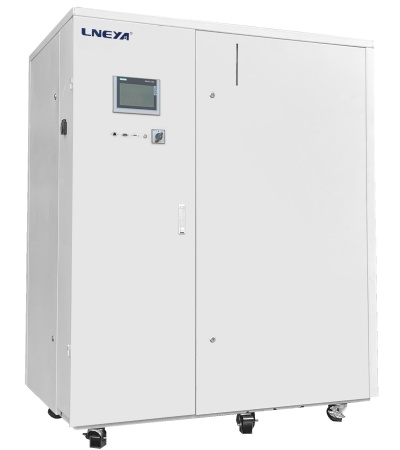
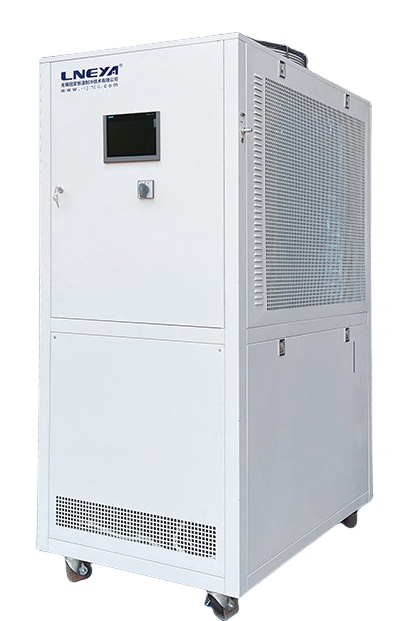
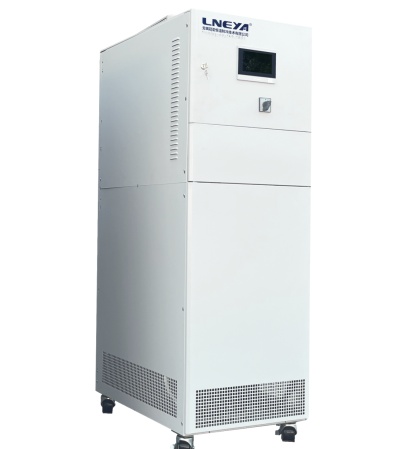
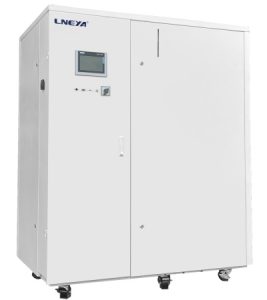
Industrial Cooling Systems: An In – Depth Exploration Industrial cooling systems are essential for maintaining optimal operational conditions across diverse manufacturing and processing industries. This article provides a comprehensive overview, covering their significance, types, working principles, key components, applications, maintenance, and future trends. We’ll explore how air – cooled, water – cooled, and evaporative cooling systems function, and examine components like chillers, cooling towers, and heat exchangers. Additionally, we’ll discuss the crucial role these systems play in sectors such as automotive, electronics, and food processing, along with best practices for upkeep and the latest technological advancements driving their evolution.
Significance of Industrial Cooling Systems In industrial settings, various processes generate substantial amounts of heat. Without effective cooling, this heat can cause equipment to overheat, leading to reduced efficiency, increased wear and tear, and potential breakdowns. Industrial cooling systems safeguard machinery, ensuring consistent product quality, extending equipment lifespan, and preventing costly production downtimes. They also play a vital role in maintaining safe working environments by controlling temperature – sensitive processes and preventing the release of harmful substances due to overheating. Types of Industrial Cooling Systems Air – Cooled Systems Air – cooled industrial cooling systems rely on ambient air to dissipate heat. Fans are used to blow air over heat – transfer surfaces, such as fins on condensers or radiators. These systems are relatively easy to install as they don’t require a dedicated water supply or complex plumbing. They are often suitable for smaller – scale industrial applications or in areas where water is scarce. However, their cooling capacity can be limited in extremely hot environments, as the efficiency of heat transfer decreases when the ambient air temperature is high. Water – Cooled Systems Water – cooled systems utilize water as the primary medium for heat transfer. Water has a high heat – carrying capacity, making it effective for removing large amounts of heat. In these systems, warm water absorbs heat from the industrial process or equipment and then circulates to a cooling tower or a heat exchanger. At the cooling tower, the water releases heat to the atmosphere through evaporation or heat exchange with ambient air. Water – cooled systems are commonly used in large – scale industrial plants where high cooling capacities are required, but they demand proper water treatment to prevent scaling, corrosion, and fouling. Evaporative Cooling Systems Evaporative cooling systems work on the principle of evaporation, which is a natural cooling process. Warm air from the industrial area passes through a wet medium, such as pads or sprays. As water evaporates from the wet surface, it absorbs heat from the air, thereby cooling it. These systems are energy – efficient as they primarily rely on the latent heat of evaporation. They are often used in applications where the air quality can tolerate increased humidity, such as in some agricultural processing facilities or certain manufacturing plants with specific environmental requirements. Working Principles Vapor Compression Cycle (for Chillers) Many industrial cooling systems incorporate chillers that operate on the vapor compression cycle. This cycle consists of four main stages: compression, condensation, expansion, and evaporation. The compressor raises the pressure and temperature of the refrigerant gas. The hot, high – pressure refrigerant then enters the condenser, where it releases heat to the surrounding medium (air or water), condensing into a liquid. The liquid refrigerant passes through an expansion valve, which reduces its pressure and temperature. Finally, in the evaporator, the cold refrigerant absorbs heat from the process or equipment being cooled, evaporating back into a gas and repeating the cycle. Heat Exchange Principles
Heat exchangers are integral components in industrial cooling systems. They facilitate the transfer of heat between two fluids without mixing them. There are different types of heat exchangers, such as shell – and – tube, plate – and – frame, and finned – tube heat exchangers. In a shell – and – tube heat exchanger, for example, one fluid flows through the tubes while the other flows around the tubes in the shell. Heat is transferred from the hotter fluid to the cooler one across the tube walls, based on the principles of conduction and convection. Key Components Chillers Chillers are central to many industrial cooling systems. They come in various types, including reciprocating, scroll, screw, and centrifugal chillers. Reciprocating chillers use piston – driven compressors and are suitable for small to medium – sized cooling loads. Scroll chillers operate with a scroll – shaped compressor, offering high efficiency and quiet operation for moderate – sized applications. Screw chillers are designed for larger cooling capacities and can handle variable loads effectively. Centrifugal chillers are typically used for very large – scale industrial cooling requirements, such as in large manufacturing plants or data centers. Cooling Towers Cooling towers are essential in water – cooled industrial cooling systems. They are responsible for cooling the warm water that has absorbed heat from the industrial process. Wet cooling towers are the most common type, where warm water is sprayed or distributed over a large surface area, and as the water evaporates, it cools the remaining water. Dry cooling towers, on the other hand, rely solely on heat transfer between the warm water and ambient air through metal fins, without the use of evaporation. Pumps Pumps are used to circulate the cooling medium, whether it’s water in a water – cooled system or refrigerant in a chiller – based system. They ensure a continuous flow, which is necessary for effective heat transfer. Different types of pumps, such as centrifugal pumps and positive – displacement pumps, are selected based on the specific requirements of the cooling system, including flow rate, pressure head, and the nature of the fluid being pumped. Heat Exchangers As mentioned earlier, heat exchangers enable the transfer of heat between different fluids. Their design and construction are optimized for efficient heat transfer. The choice of heat exchanger depends on factors like the temperature and pressure of the fluids, the required heat – transfer rate, and the available space within the industrial facility. Applications Automotive Industry In automotive manufacturing, industrial cooling systems are used to cool engines during the production process, as well as in paint – drying ovens and other equipment. Engine testing facilities rely on precise cooling to simulate real – world operating conditions accurately. Cooling systems also play a role in maintaining the temperature of batteries in electric vehicles during manufacturing and storage. Electronics Industry Electronics manufacturing involves processes that generate a significant amount of heat, such as semiconductor fabrication and circuit board assembly. Industrial cooling systems are crucial for keeping the equipment, including high – power servers, semiconductor wafers, and soldering machines, at the optimal operating temperature. This helps prevent damage to sensitive electronic components and ensures the quality and reliability of the final products. Food and Beverage Industry
In food processing plants, cooling systems are used for various purposes, including refrigerating raw materials, cooling cooked products to prevent spoilage, and maintaining the temperature in cold storage facilities. For example, after pasteurization or cooking, rapid cooling of food items helps preserve their nutritional value, flavor, and texture. In the beverage industry, cooling systems are essential for brewing, fermentation, and bottling processes. Chemical Industry The chemical industry often deals with exothermic reactions that generate a large amount of heat. Industrial cooling systems are used to control the temperature of reactors, ensuring the reactions proceed safely and as desired. They also help in cooling distillation columns, condensers, and other equipment to separate and purify chemical products. Maintenance Regular maintenance is crucial for the reliable operation of industrial cooling systems. This includes checking and cleaning components such as condensers, evaporators, and heat exchangers to remove dirt, debris, and scale deposits that can impede heat transfer. Monitoring refrigerant levels and pressures in chiller – based systems, lubricating moving parts like pumps and fans, and inspecting electrical connections are also essential tasks. Additionally, water treatment is vital in water – cooled systems to prevent corrosion and scaling, which can reduce the efficiency and lifespan of the system. Future Trends The future of industrial cooling systems is likely to be shaped by advancements in technology. Energy – efficient solutions, such as variable – speed drives for pumps and fans, will become more prevalent to reduce power consumption. The integration of smart sensors and Internet of Things (IoT) technology will enable real – time monitoring and predictive maintenance, allowing for proactive identification and resolution of potential issues. There will also be a continued focus on developing environmentally friendly refrigerants and cooling methods to minimize the environmental impact of industrial cooling operations.
Air cooled package units are self-contained HVAC systems where all components, including the condenser and evaporator, are housed in a single unit. These units are ideal for spaces lacking ductwork and offer both heating and cooling capabilities. The article delves into the definition, operation, applications, efficiency, and market trends of air cooled package units, emphasizing their ease of installation and environmental responsibility. It also discusses the technological advancements that contribute to their energy efficiency and comfort control.
Laser cutting is a precision process that can be significantly enhanced by the use of a water chiller. This article delves into the importance of water chillers in laser cutting, explaining how they work to cool the laser's resonator and maintain stable temperatures. It discusses the benefits of using a water chiller, such as improved cut quality, reduced downtime, and extended laser life. The article also covers the different types of water chillers available, their cooling capacities, and how to select the appropriate chiller for a laser cutter. Additionally, it provides maintenance tips to ensure the longevity and optimal performance of the laser cutter and water chiller system.
A heating and cooling controller is a device designed to regulate and optimize the performance of heating and cooling systems, ensuring precise temperature control and energy efficiency. These controllers are used in various applications, including HVAC systems, industrial processes, and residential heating and cooling. Key features include programmable settings, real-time monitoring, and integration with building management systems. Heating and cooling controllers enhance comfort, reduce energy consumption, and improve system reliability. This article explores the working principles, types, applications, advantages, and considerations for selecting a heating and cooling controller, providing a comprehensive guide for users seeking reliable and efficient temperature control solutions.
Air - cooled chiller units are crucial cooling devices that play a significant role in various industries. They operate based on the refrigeration cycle, where a refrigerant absorbs heat from the process fluid and releases it to the ambient air. These units are characterized by their simplicity, as they rely on air for heat dissipation, eliminating the need for a complex water - based cooling system. Their advantages include easy installation, compact size, and low maintenance requirements in terms of not dealing with water - related issues. In applications such as commercial buildings, industrial processes, and data centers, air - cooled chiller units ensure efficient temperature control. Understanding their operation, applications, and maintenance is key to optimizing their performance.
 Industrial Chiller Heater Equipment Supplier-LNEYA