 Industrial Chiller Heater Equipment Supplier-LNEYA


ACHEMA 2024
4332024 ACHEMA Biochemical Technology Exhibition in Frankfurt, Germany ACHEMA 2024Germany Ahma Biochemical Technology ExhibitionJune 10-14, 2024Ludwig-Erhard-Anlage 1, Frankfurt, GermanyBooth number: 6.1-C55 ,
View detailsGet chiller related information TCU Air Cooled Chillers Recirculating Chiller Dynamic Temperature Control Systems 产品分类菜单
Water Bath Circulator
In the realm of scientific research, industrial processes, and medical applications, maintaining precise and stable temperatures is often crucial for the success of experiments and operations. The water bath circulator stands as a reliable and widely – utilized piece of equipment designed to meet these temperature – control needs. It provides a consistent and gentle heat source, making it indispensable in various fields.
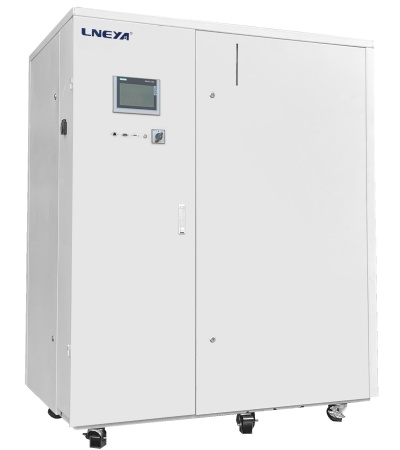
Structure and Components
Water – Filled Chamber
The water – filled chamber is the core of the water bath circulator. It is typically made of materials such as stainless steel or polypropylene, which offer durability and resistance to corrosion from chemicals that may come into contact with the water. The size of the chamber can vary, ranging from small units suitable for holding a few test tubes to large ones capable of accommodating multiple flasks or containers. The shape of the chamber may also differ, with rectangular and circular designs being common, depending on the intended use and the types of samples or equipment it needs to hold.
Heating Element
The heating element is responsible for raising the temperature of the water in the bath. It is usually made of materials with high electrical resistance, such as nichrome wire. When an electric current passes through the heating element, it generates heat, which is then transferred to the water. The power of the heating element can vary based on the size and requirements of the water bath circulator. Higher – powered elements are used in larger units or when faster heating is needed, while smaller units may have lower – power elements to achieve a more controlled and gradual heating process.
Pump
The pump in a water bath circulator plays a vital role in ensuring uniform temperature distribution. It circulates the water within the chamber, preventing the formation of hot or cold spots. There are different types of pumps used, including centrifugal pumps and magnetic drive pumps. Centrifugal pumps work by using an impeller to create a flow of water, while magnetic drive pumps use magnetic forces to transfer energy to the impeller without the need for a direct mechanical connection. This feature reduces the risk of leaks and makes magnetic drive pumps suitable for applications where fluid containment is critical.
Temperature Control System
The temperature control system is what allows users to set and maintain the desired temperature. It typically consists of a thermostat, temperature sensors, and a control panel. The thermostat is a device that compares the actual temperature of the water with the setpoint temperature. If there is a difference, it sends signals to the heating element to either increase or decrease the heat output. Temperature sensors, often made of materials like thermocouples or resistance temperature detectors (RTDs), accurately measure the water temperature and provide feedback to the thermostat. The control panel, which can be a simple knob – based interface or a more advanced digital touchscreen, enables users to input the desired temperature, adjust other settings such as the pump speed, and monitor the current temperature and operational status of the water bath circulator.
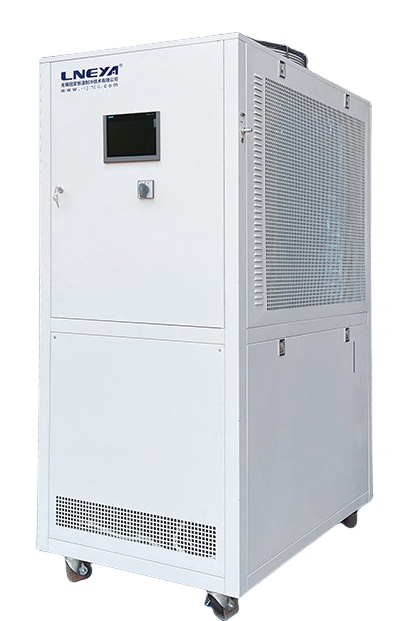
Working Principle
The operation of a water bath circulator begins with filling the chamber with water. Once the water is added, the user sets the desired temperature on the control panel. The heating element then starts to warm the water. As the water temperature approaches the setpoint, the thermostat continuously monitors the temperature using the sensors. When the actual temperature reaches the setpoint, the thermostat signals the heating element to reduce or stop its heat output to maintain a stable temperature.
Simultaneously, the pump starts to circulate the water. The circulation helps to evenly distribute the heat generated by the heating element throughout the chamber. This ensures that all samples or equipment placed in the water bath are exposed to the same temperature, minimizing temperature gradients. The combination of heating and circulation allows the water bath circulator to provide a consistent and controlled thermal environment for various applications.
Applications
Biological Research
Enzyme Reactions: In biological experiments involving enzymes, maintaining the correct temperature is essential for the proper functioning of these biological catalysts. Enzymes are highly sensitive to temperature changes, and even small variations can affect their activity and the outcome of the reactions they catalyze. Water bath circulators are used to provide a stable and precise temperature environment for enzyme – mediated reactions, such as DNA digestion by restriction enzymes or protein folding studies. By keeping the temperature constant, researchers can accurately observe and analyze the behavior of enzymes and the reactions they participate in.
Cell Culturing: Cell culturing is a fundamental technique in biological research, where cells are grown and maintained in a controlled environment. Different types of cells have specific temperature requirements for optimal growth and survival. Water bath circulators are used to incubate cell cultures at the appropriate temperature, typically around 37°C, which mimics the body temperature in mammals. The gentle and uniform heating provided by the water bath ensures that the cells are not damaged by temperature fluctuations, allowing for successful cell growth and proliferation.
Chemical Experiments
Chemical Synthesis: In chemical synthesis, reactions often need to be carried out at specific temperatures to achieve the desired products. Water bath circulators offer a convenient and safe way to control the reaction temperature. For example, in organic synthesis, reactions involving the formation of chemical bonds or the transformation of functional groups may require a specific temperature range to proceed efficiently. The water bath can be used to heat reaction mixtures in flasks or test tubes, providing a stable thermal environment that promotes the reaction while minimizing the risk of overheating or unwanted side reactions.
Distillation and Extraction: Distillation and extraction processes in chemistry also benefit from the use of water bath circulators. During distillation, the water bath can be used to heat the distillation flask at a controlled rate, ensuring that the components of the mixture vaporize and condense properly according to their boiling points. In extraction, where solvents are used to separate substances from a mixture, the water bath can maintain the temperature of the extraction vessel, facilitating the extraction process and improving the yield and purity of the extracted substances.
Material Science
Testing Material Properties: In material science, water bath circulators are used to test the properties of materials under different temperature conditions. For example, the thermal stability of polymers can be evaluated by subjecting samples to controlled heating and cooling cycles in a water bath. By monitoring how the material’s physical and mechanical properties change with temperature, researchers can gain insights into its behavior and suitability for various applications. Additionally, water baths can be used to simulate environmental conditions, such as the temperature fluctuations experienced by materials in real – world use, to study their long – term durability and performance.
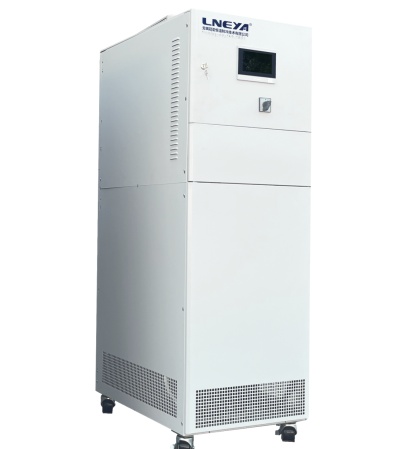
Curing and Aging Processes: Some materials, such as adhesives and composites, require specific temperature – controlled environments for curing or aging processes. Water bath circulators provide the necessary thermal conditions to ensure that these processes occur correctly. For instance, in the curing of epoxy adhesives, the water bath can maintain a constant temperature to promote the chemical reactions that harden the adhesive and develop its strength. Similarly, for the aging of materials, the water bath can subject the samples to elevated temperatures over a period of time to accelerate the aging process and assess the material’s degradation characteristics.
Features and Advantages
Precise Temperature Regulation
One of the primary advantages of water bath circulators is their ability to provide precise temperature control. Modern models can maintain the temperature within a very narrow range, often with an accuracy of ±0.1°C or even better. This level of precision is crucial for many scientific and industrial applications where small temperature variations can have a significant impact on the results or the quality of the product. Whether it’s a delicate biological experiment or a high – precision chemical synthesis, the accurate temperature regulation of the water bath circulator ensures reliable and reproducible outcomes.
Uniform Heat Distribution
The circulation of water within the bath by the pump ensures that heat is evenly distributed throughout the chamber. This eliminates hot and cold spots, providing a consistent thermal environment for all samples or equipment placed in the bath. Uniform heat distribution is especially important when multiple samples need to be treated under the same conditions, as it ensures that each sample experiences the same temperature, reducing experimental variability and improving the accuracy of the results.
Gentle Heating
Water bath circulators offer a gentle form of heating compared to some other heating methods, such as direct flame heating or using hot plates without circulation. The water acts as a buffer, gradually transferring heat to the samples or equipment. This gentle heating is ideal for temperature – sensitive substances, such as biological samples, certain chemicals, and materials that may be damaged by rapid or intense heating. It helps to preserve the integrity of the substances being heated, preventing denaturation, decomposition, or other unwanted changes.
Versatility
Water bath circulators come in a wide range of sizes and configurations, making them suitable for various applications. They can accommodate different types of containers, from small test tubes to large flasks, and can be used in different settings, including laboratories, research facilities, and industrial plants. Additionally, some models offer additional features, such as programmable temperature profiles, allowing users to set up complex heating and cooling sequences for more advanced experiments or processes.
Considerations for Use and Maintenance
Installation and Setup
When installing a water bath circulator, it is important to place it on a stable and level surface to prevent the water from spilling. The water level should be carefully monitored and maintained within the recommended range specified by the manufacturer. Using deionized or distilled water is advisable to prevent the buildup of minerals and contaminants in the bath, which can affect the performance of the heating element and the accuracy of the temperature control. Connecting the water bath circulator to a reliable power source and ensuring that all electrical connections are secure is also essential for safe and proper operation.
Regular Maintenance
Regular maintenance is necessary to keep the water bath circulator in good working condition. This includes cleaning the chamber regularly to remove any dirt, debris, or chemical residues that may accumulate over time. The heating element should be inspected periodically for signs of damage or scaling, and if necessary, descaled using appropriate cleaning agents. The pump should also be checked to ensure that it is operating smoothly and that the water circulation is adequate. Additionally, the temperature sensors and the thermostat should be calibrated regularly to maintain the accuracy of the temperature control system.
Safety Precautions
Safety is of utmost importance when using a water bath circulator. Users should always follow the manufacturer’s instructions and safety guidelines. Avoid overfilling the water bath, as this can lead to water spillage, which may cause electrical hazards if the water comes into contact with the electrical components. Do not touch the water bath or the samples while it is in operation, especially if the water is hot, to prevent burns. In case of a malfunction or an abnormal situation, such as a sudden increase in temperature or an unusual noise, immediately turn off the power and disconnect the water bath circulator from the power source. Seek professional assistance for troubleshooting and repairs to ensure the safety of the user and the integrity of the equipment.
In conclusion, water bath circulators are essential tools in a wide range of scientific, industrial, and medical applications. Their unique combination of precise temperature control, uniform heat distribution, gentle heating, and versatility makes them indispensable for processes that require a stable and controlled thermal environment. By understanding their structure, working principle, applications, features, and proper usage and maintenance, users can make the most of these valuable devices and ensure the success of their experiments and operations while maintaining safety and reliability.
2024 ACHEMA Biochemical Technology Exhibition in Frankfurt, Germany ACHEMA 2024Germany Ahma Biochemical Technology ExhibitionJune 10-14, 2024Ludwig-Erhard-Anlage 1, Frankfurt, GermanyBooth number: 6.1-C55 ,
View details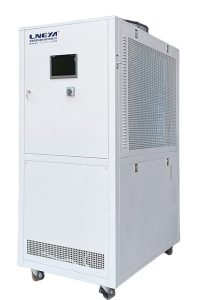
Packaged chiller units are pre-assembled air- or water-cooled systems designed for efficient temperature control in commercial and industrial applications. They offer ease of installation, flexibility in operation, and energy efficiency. These units come with various compressor types, such as scroll, digital scroll, semi-hermetic, and screw, and are available in single or dual circuit configurations. The market for packaged chiller units is driven by factors like growing adoption of district heating and cooling infrastructure and the need for energy-efficient HVAC solutions. Key players in the industry include Trane, Johnson Controls - Hitachi, Carrier, and Mitsubishi, among others, with the global market size projected to reach USD 9770.4 million by 2030.
View details
The cost of a 100 ton chiller is influenced by multiple factors. This article offers a detailed exploration. It first outlines that the cost encompasses initial purchase, installation, and long - term operational expenses. The initial cost is affected by the chiller type (air - cooled, water - cooled, or absorption), brand, and additional features. Installation costs depend on complexity and location. Operational costs include energy consumption, maintenance, and refrigerant replacement. By comparing costs across different chiller types and considering factors like energy efficiency, users can make informed decisions about the total cost of owning a 100 ton chiller.
View details
The article provides an overview of flow chillers, focusing on their applications, technological advancements, and market trends. It highlights the importance of flow chillers in industries such as pharmaceuticals, chemical processing, and semiconductor manufacturing. The abstract summarizes the key points, including the versatility of flow chillers, their impact on process efficiency, and the growing demand for energy-efficient solutions in the market.
View details