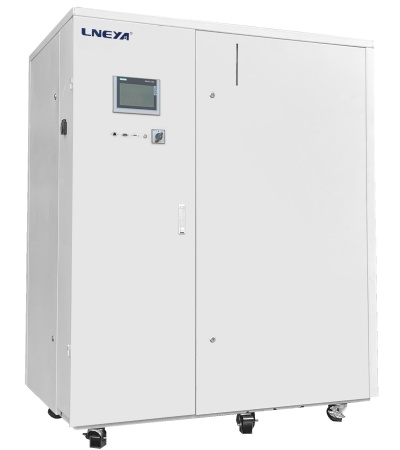
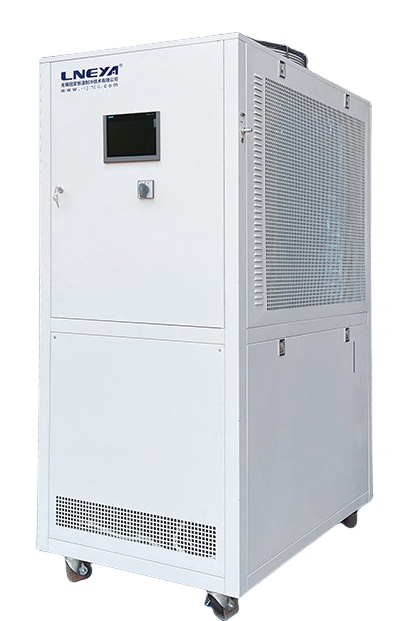
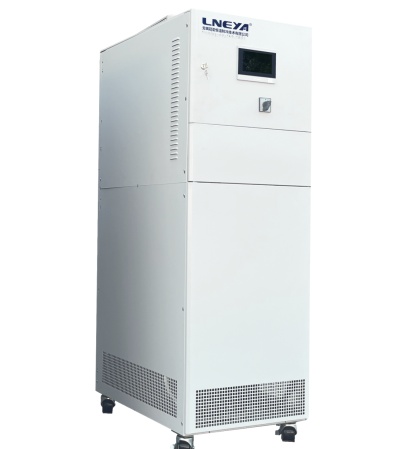
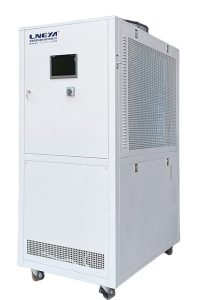
Water – cooled oil coolers are an essential part of many industrial and mechanical systems. Their primary function is to regulate the temperature of oil by removing excess heat. In numerous applications, maintaining the proper temperature of oil is crucial for the efficient and reliable operation of equipment. Whether it’s in an engine, a hydraulic system, or an industrial gearbox, overheating of oil can lead to reduced performance, increased wear and tear, and even component failure. Water – cooled oil coolers offer an effective solution to this problem by using water as a cooling medium to dissipate heat from the oil.
Working Principle of Water – Cooled Oil Coolers Heat Transfer Process The fundamental working principle of a water – cooled oil cooler is based on the transfer of heat from the hot oil to the cooler water. The process occurs within a heat exchanger, which is the core component of the oil cooler. Hot Oil Flow: Hot oil, which has absorbed heat from the machinery or process it is circulating through, enters the oil cooler. For example, in an automotive engine, the oil that has lubricated the moving parts and absorbed heat from friction and combustion enters the oil cooler. The hot oil flows through a series of tubes or passages within the heat exchanger. Cooling Water Flow: Simultaneously, cooler water is introduced into the heat exchanger. The water can come from various sources, such as a cooling tower in an industrial setting or a radiator – like system in a vehicle. The water flows around the tubes or passages containing the hot oil. The temperature difference between the hot oil and the cooler water creates a driving force for heat transfer. Heat naturally flows from the higher – temperature oil to the lower – temperature water. Heat Transfer Mechanisms: There are two main mechanisms of heat transfer at play. Conduction occurs as heat moves through the walls of the tubes separating the oil and water. The materials of the tubes, often metals like copper or aluminum due to their high thermal conductivity, facilitate this process. Convection also plays a significant role. As the hot oil flows through the tubes, it transfers heat to the inner surface of the tubes by convection. Similarly, the cooler water flowing around the tubes absorbs heat from the outer surface of the tubes by convection. The combination of these two heat – transfer mechanisms effectively cools the hot oil. Cooled Oil Output: After the heat transfer process, the now – cooled oil exits the oil cooler and returns to the machinery or process. The cooled oil can then continue to perform its functions, such as lubricating moving parts or acting as a hydraulic fluid, at an optimal temperature. The heated water, having absorbed the heat from the oil, may be further processed or cooled down in a separate system before being recirculated or discharged. Construction of Water – Cooled Oil Coolers Heat Exchanger Design Shell – and – Tube Heat Exchangers: One of the most common types of heat exchangers used in water – cooled oil coolers is the shell – and – tube design. In this design, the hot oil flows through the tubes, which are enclosed within a larger shell. The cooling water flows through the shell, surrounding the tubes. The tubes can be arranged in various patterns, such as parallel or in a U – shape. The shell – and – tube design offers several advantages. It can handle high – pressure differences between the oil and water sides, making it suitable for industrial applications where high – pressure oil systems are common. The large surface area of the tubes allows for efficient heat transfer. For example, in a large – scale industrial gearbox, a shell – and – tube water – cooled oil cooler can effectively cool the high – pressure oil used for lubrication. Plate – Type Heat Exchangers: Plate – type heat exchangers are also used in some water – cooled oil coolers. These consist of a series of thin, corrugated metal plates stacked together. The hot oil and cooling water flow through alternating channels formed by the plates. The corrugated design of the plates increases the surface area for heat transfer and promotes turbulence in the fluid flow, enhancing heat – transfer efficiency. Plate – type heat exchangers are often more compact than shell – and – tube heat exchangers, making them suitable for applications where space is limited, such as in some automotive or small – scale industrial equipment.
Plumbing and Connection Components Inlet and Outlet Ports: Water – cooled oil coolers have inlet and outlet ports for both the oil and the water. The oil inlet port allows the hot oil to enter the cooler, while the oil outlet port is where the cooled oil exits. Similarly, the water inlet port is where the cooler water enters, and the water outlet port is for the heated water to leave. These ports are designed to ensure proper flow rates and minimize pressure drops. They are often equipped with fittings, such as flanges or threaded connections, to facilitate easy connection to the oil and water supply lines. Piping and Hoses: Piping and hoses are used to connect the oil cooler to the rest of the system. For the oil side, the pipes or hoses need to be able to withstand the pressure and temperature of the oil. In high – temperature and high – pressure applications, metal pipes are commonly used. For the water side, depending on the application, either metal pipes or flexible hoses can be used. In industrial settings, where the water supply may be from a central cooling system, metal pipes are often preferred for durability and to maintain proper water pressure. In some mobile applications, such as in vehicles, flexible hoses may be used to allow for movement and vibration without causing leaks. Applications of Water – Cooled Oil Coolers Automotive Industry Engine Cooling: In automotive engines, water – cooled oil coolers are used to cool the engine oil. Engine oil not only lubricates the moving parts but also absorbs a significant amount of heat generated by combustion and friction. If the oil temperature gets too high, it can lose its lubricating properties, leading to increased wear and potential engine damage. The water – cooled oil cooler helps in maintaining the optimal oil temperature. In high – performance engines, such as those in sports cars or heavy – duty trucks, the need for efficient oil cooling is even more critical. For example, in a racing car engine, a water – cooled oil cooler can help in dissipating the large amounts of heat generated during high – speed driving, ensuring consistent engine performance. Transmission Cooling: Water – cooled oil coolers are also used in automatic transmissions. The transmission fluid in an automatic transmission needs to be maintained at the right temperature for smooth shifting and proper operation. The water – cooled oil cooler cools the transmission fluid, preventing it from overheating. This is especially important in vehicles that are used for towing or in stop – and – go traffic, where the transmission fluid can heat up rapidly. Industrial Machinery Hydraulic Systems: In industrial hydraulic systems, water – cooled oil coolers are essential. Hydraulic fluid is used to transmit power in these systems, and as it circulates through pumps, valves, and actuators, it can heat up. Overheating of the hydraulic fluid can cause a decrease in system efficiency, component wear, and even system failure. Water – cooled oil coolers are used to maintain the hydraulic fluid at an appropriate temperature. In a large – scale manufacturing plant, where hydraulic systems are used for heavy – duty machinery like presses and injection – molding machines, water – cooled oil coolers ensure the reliable operation of these systems. Industrial Gearboxes: Gearboxes in industrial machinery, such as those used in conveyors, crushers, and mixers, require proper oil cooling. The gears in a gearbox generate heat due to friction during operation. Water – cooled oil coolers are used to cool the gear oil, which helps in reducing wear and tear on the gears and ensuring smooth operation. In a mining operation, where large – scale crushers are used, a water – cooled oil cooler for the gearbox can contribute to the continuous and efficient operation of the equipment. Power Generation Diesel Generators: In diesel generator sets, water – cooled oil coolers are used to cool the engine oil and the lubricating oil for the generator bearings. The engine in a diesel generator produces a significant amount of heat during operation, and proper oil cooling is crucial for its reliable performance. The water – cooled oil cooler helps in maintaining the oil temperature within the recommended range, ensuring the longevity of the engine and the generator. In remote power generation sites, where continuous power supply is essential, water – cooled oil coolers play a vital role in keeping the diesel generators running smoothly. Gas Turbines: Gas turbines also require oil cooling for their lubrication systems. The oil used to lubricate the bearings and other moving parts in a gas turbine can heat up due to the high rotational speeds and high temperatures within the turbine. Water – cooled oil coolers are used to dissipate this heat, ensuring the proper functioning of the lubrication system. In a power plant with gas turbines, the water – cooled oil coolers are an integral part of the overall cooling system, helping to maintain the efficiency and reliability of the power – generation process. Advantages of Water – Cooled Oil Coolers High Heat – Transfer Efficiency
Water has a relatively high specific heat capacity, which means it can absorb a large amount of heat without a significant increase in its own temperature. This property makes water an excellent cooling medium for oil coolers. The heat – transfer efficiency of water – cooled oil coolers is generally higher compared to some other types of oil coolers, such as air – cooled ones. In applications where rapid and efficient cooling of oil is required, water – cooled oil coolers are often the preferred choice. For example, in a high – performance industrial process where the oil needs to be cooled quickly to maintain production rates, a water – cooled oil cooler can effectively meet this requirement. Compact Design (in some cases) Plate – type water – cooled oil coolers, in particular, offer a compact design. Their stacked – plate construction allows for a large heat – transfer surface area in a relatively small volume. This makes them suitable for applications where space is at a premium, such as in small – scale industrial equipment or in vehicles with limited under – hood space. In a compact car engine, a plate – type water – cooled oil cooler can be installed without taking up too much space, while still providing effective oil cooling. Precise Temperature Control Water – cooled oil coolers can provide more precise temperature control of the oil. By adjusting the flow rate of the cooling water, the amount of heat removed from the oil can be regulated. This is especially important in applications where the oil temperature needs to be maintained within a narrow range. In a pharmaceutical manufacturing process that uses oil – based lubricants in its machinery, precise temperature control of the oil is crucial to ensure product quality. A water – cooled oil cooler can be adjusted to maintain the oil temperature at the exact level required for the process. Disadvantages of Water – Cooled Oil Coolers Water – Related Maintenance Requirements Water – cooled oil coolers require regular maintenance related to the water system. The water used in the cooler needs to be treated to prevent issues such as corrosion, scale formation, and biological growth. Corrosion can damage the heat – exchanger surfaces, reducing the heat – transfer efficiency and potentially causing leaks. Scale formation on the heat – exchanger tubes can also impede heat transfer. Biological growth, such as algae or bacteria, can clog the water passages. In industrial applications, water treatment systems are often installed to address these issues. However, this adds to the complexity and cost of operating the water – cooled oil cooler. Dependency on Water Supply These oil coolers rely on a continuous and reliable water supply. In areas where water is scarce or where there are issues with the water supply, such as water pressure fluctuations or water quality problems, the operation of the water – cooled oil cooler can be affected. In a desert – based industrial plant, for example, if there are water shortages, it may be challenging to maintain the proper operation of the water – cooled oil coolers. Additionally, in case of a water supply disruption, the machinery relying on the oil cooler may need to be shut down to prevent overheating of the oil. Higher Initial Cost The initial cost of a water – cooled oil cooler, including the heat exchanger, plumbing components, and water – treatment equipment (if required), is generally higher compared to some other types of oil coolers, such as air – cooled ones. The complexity of the heat – exchanger design and the need for a proper water – supply system contribute to the higher cost. In small – scale applications where cost is a major factor, this higher initial investment may make water – cooled oil coolers less attractive. Maintenance of Water – Cooled Oil Coolers Water Treatment Corrosion Inhibition: To prevent corrosion in the water – side of the oil cooler, corrosion inhibitors are often added to the water. These inhibitors form a protective film on the metal surfaces of the heat exchanger and plumbing components, reducing the likelihood of corrosion. The type and concentration of the corrosion inhibitor depend on the materials of construction of the oil cooler and the quality of the water. Regular monitoring of the corrosion – inhibitor concentration in the water is necessary to ensure its effectiveness. Scale Prevention: Scale formation can be prevented by using water softeners or scale – inhibiting chemicals. Hard water contains minerals such as calcium and magnesium, which can precipitate and form scale on the heat – exchanger surfaces. Water softeners remove these minerals from the water, while scale – inhibiting chemicals prevent the minerals from forming deposits. Regular testing of the water hardness and the addition of appropriate scale – prevention measures are important maintenance tasks. Biological Control: To control biological growth in the water, biocides may be added. Biocides kill or inhibit the growth of algae, bacteria, and other microorganisms. However, care must be taken when using biocides, as they need to be compatible with the materials of the oil cooler and the environment. Regular inspection of the water – side of the oil cooler for signs of biological growth, such as slime or discoloration, is also part of the maintenance routine. Component Inspection Heat – Exchanger Inspection: The heat exchanger of the water – cooled oil cooler should be inspected regularly for signs of damage, such as leaks, corrosion, or blockages. In a shell – and – tube heat exchanger, the tubes can be inspected for leaks using methods like pressure testing. The outer shell and the tube – sheet connections should also be checked for any signs of corrosion. In a plate – type heat exchanger, the plates should be inspected for cracks, deformation, or fouling. If any issues are detected, the heat exchanger may need to be repaired or replaced. Plumbing and Connection Checks: The pipes, hoses, and fittings in the oil and water supply lines should be checked for leaks, loose connections, and signs of wear. In the oil – side, leaks can lead to oil loss and potential equipment damage. In the water – side, leaks can cause water wastage and may also affect the cooling performance of the oil cooler. Loose connections can also cause pressure drops and affect the flow rates of the oil and water. Regular tightening of fittings and replacement of worn – out hoses or pipes are important maintenance activities. Conclusion Water – cooled oil coolers are important heat – transfer devices with a wide range of applications in various industries. Their ability to efficiently cool oil using water as a cooling medium makes them suitable for applications where precise temperature control and high heat – transfer rates are required. However, they also come with certain disadvantages, such as water – related maintenance requirements and a higher initial cost. Understanding their working principle, construction, applications, advantages, disadvantages, and maintenance needs is essential for industries to effectively utilize these oil coolers and ensure the reliable operation of their equipment.
Mini water chiller systems are compact and versatile cooling solutions suitable for a range of applications, from precision equipment cooling to HVAC systems. These systems utilize refrigeration cycles for heat exchange, maintaining stable temperatures critical for process efficiency. The market is driven by demand for energy efficiency, eco-friendly operation, and technological innovation. In Australia, the growing need for sustainable cooling solutions has led to the development of advanced mini water chiller systems that cater to diverse industrial and commercial requirements.
Free Cooling Chillers: Harnessing Natural Cold Sources for Energy Efficiency Free cooling chillers are innovative systems that use external environmental conditions as a cooling medium when the outside temperature is sufficiently low, reducing ...
A high temperature chamber is a specialized enclosure designed to create and maintain elevated temperature environments for various testing, research, and industrial processes. It operates by utilizing heating elements, insulation materials, and precise control systems to achieve and sustain desired high temperatures. Structurally, it comprises components like the chamber body, heating system, air circulation mechanism, and temperature control unit. Classified into different types based on size, temperature range, and application, it finds extensive use in materials testing, electronics, automotive, and aerospace industries. This article delves into its working principles, structural details, classification, applications, operation precautions, and future development trends, offering a comprehensive understanding of this essential thermal equipment.
Ethylene Glycol Cooling Systems: An In-Depth Analysis
Ethylene glycol cooling systems are an essential component in industries where temperature control is critical. Ethylene glycol (EG) is a chemical compound known for its antifreeze properties and is commonly used in cooling systems due to its ability to lower the freezing point of water, making it ideal for applications requiring temperatures below the freezing point of pure water.
Why Ethylene Glycol is Used for Cooling
Ethylene glycol is used in cooling systems because of its ability to depress the freezing point more effectively than propylene glycol. A 30% solution of ethylene glycol freezes at -14 degrees Celsius, which makes it suitable for cooling applications that require operation at sub-zero temperatures. Additionally, ethylene glycol has better heat transfer efficiency and lower viscosity compared to propylene glycol, which allows for more efficient heat transfer and easier circulation in cooling systems.
Applications of Ethylene Glycol Cooling Systems
Ethylene glycol cooling systems are used in a variety of applications, including:
Automobiles: Ethylene glycol serves as an antifreeze for automobiles and industrial water systems. It is also used as a de-icing fluid for aircraft and windshields due to its low freezing point.
Breweries and Distilleries: The brewing and distilling industry relies on glycol chillers for consistent and controlled temperatures, which are critical for product quality.
Dairy Processing Facilities: Dairy products require efficient cooling systems to prevent bacterial growth. Ethylene glycol chillers help maintain consistent temperatures throughout the processing stages.
Ice Rinks: Ethylene glycol chillers can achieve a lower freezing point than water, making them suitable for outdoor ice rinks in warmer climates. They are used in conjunction with mats placed beneath the rink's surface to maintain a frozen surface.
Efficiency and Safety of Ethylene Glycol Cooling Systems
Ethylene glycol-based nanofluids have been studied for their enhanced thermophysical properties, which can improve heat transfer in various applications, including automotive radiators and electronic cooling. These nanofluids can lead to a rapid decrease in temperature at the boundary layer, enhancing the overall efficiency of the cooling system.
However, it is important to ensure compliance and safety with glycol systems. Ethylene glycol is toxic if ingested or inhaled in high doses, so proper handling and safety measures are crucial. Regular maintenance, including checking for leaks, blockages, and corrosion, is essential to minimize downtime and ensure the system's reliability, especially in high-occupancy facilities where consistent cooling is critical.
Market Trends for Ethylene Glycol Cooling Systems
The market for ethylene glycol is expected to grow due to its diverse applications in coolant and heat-transfer agents, antifreeze, and as a precursor to polymers. The ethylene glycol market was valued at USD 10 billion in 2018 and is projected to reach higher values by 2028, growing at a CAGR of 4% during 2019-2028. This growth indicates a continued reliance on ethylene glycol for cooling systems and other applications.
Conclusion
Ethylene glycol cooling systems are vital in maintaining low temperatures in a range of industrial and commercial applications. Their effectiveness in low-temperature environments, heat transfer efficiency, and growing market demand highlight the importance of ethylene glycol in the cooling systems industry. As technology advances and market trends evolve, the use of ethylene glycol in cooling systems is expected to continue, with a focus on enhancing efficiency and ensuring safety.
 Industrial Chiller Heater Equipment Supplier-LNEYA