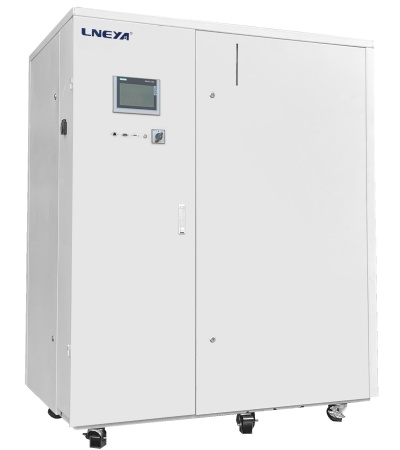
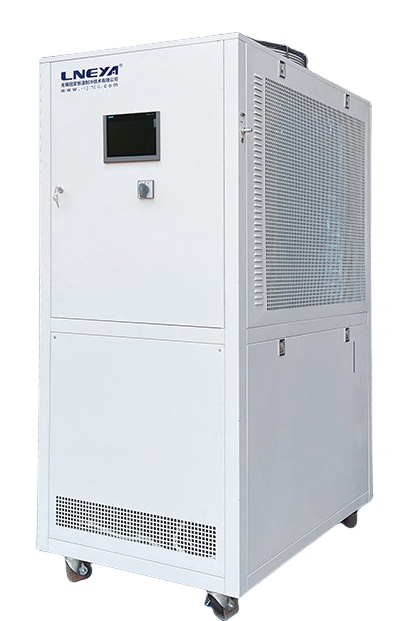
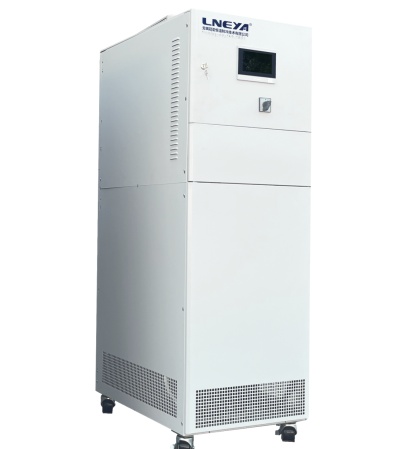
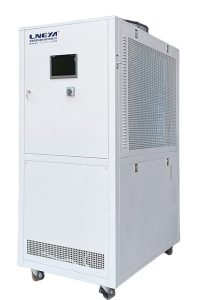
Thermal Cycle Chamber: A Complete Guide Thermal cycle chambers, also known as temperature cycling chambers, are specialized pieces of equipment designed to subject samples or products to a controlled range of temperature variations over a specified period. These chambers play a vital role in numerous fields, providing valuable insights into how materials, components, and products respond to different thermal conditions.
Working Principle Heating and Cooling Mechanisms Thermal cycle chambers utilize a combination of heating and cooling systems to achieve the desired temperature changes. The heating element is typically an electric resistance heater. When an electric current passes through the heater, it generates heat, which is then transferred to the air or other medium within the chamber. The rate of heating can be controlled by adjusting the electrical power supplied to the heater. For cooling, most thermal cycle chambers use refrigeration systems similar to those in household refrigerators or industrial chillers. A compressor compresses a refrigerant gas, increasing its temperature and pressure. The hot refrigerant then passes through a condenser, where it releases heat to the surrounding environment and condenses into a liquid. After passing through an expansion valve, the refrigerant expands and cools down, absorbing heat from the chamber’s interior as it passes through an evaporator. This cools the air or medium inside the chamber. Temperature Control System A sophisticated temperature control system is at the heart of a thermal cycle chamber. It consists of temperature sensors, a controller, and actuators. Temperature sensors, such as thermocouples or thermistors, are placed inside the chamber to accurately measure the temperature. The sensor sends a signal to the controller, which compares the measured temperature with the pre – set temperature profile. If there is a deviation, the controller activates the heating or cooling system (actuators) to adjust the temperature accordingly. Modern thermal cycle chambers often use proportional – integral – derivative (PID) control algorithms to achieve precise temperature control. The PID controller calculates the error between the set – point and the measured temperature, and based on this error, it determines the appropriate output to the heating or cooling device to minimize the temperature deviation. Structure of Thermal Cycle Chambers Insulation The chamber is constructed with high – quality insulation materials to minimize heat transfer with the external environment. Materials such as polyurethane foam, fiberglass, or mineral wool are commonly used. The insulation helps to maintain a stable temperature inside the chamber and reduces energy consumption. A well – insulated chamber can prevent heat leakage during the cooling phase and heat gain during the heating phase, ensuring that the temperature changes are primarily due to the internal heating and cooling systems. Chamber Interior The interior of the chamber is designed to accommodate the samples or products being tested. It may have shelves, trays, or fixtures to hold the items in place. The interior surfaces are often made of materials that are resistant to corrosion and can withstand the temperature variations. Stainless steel is a popular choice for the interior as it is durable, easy to clean, and has good thermal conductivity.
Temperature Sensors and Control Unit Multiple temperature sensors are strategically placed inside the chamber to ensure accurate temperature measurement at different locations. This helps in monitoring the temperature uniformity within the chamber. The control unit, which can be a digital or analog device, is used to program the temperature profiles. It allows the user to set parameters such as the starting temperature, the ending temperature, the rate of temperature change (ramp rate), and the duration of each temperature hold. Some advanced control units also have data – logging capabilities, allowing for the recording of temperature data over time for further analysis. Applications of Thermal Cycle Chambers Electronics Industry Component Stress Testing: In the electronics industry, thermal cycle chambers are used to test the reliability of electronic components such as integrated circuits (ICs), printed circuit boards (PCBs), and connectors. Components are subjected to repeated cycles of high and low temperatures to simulate the thermal stress they may experience during normal use or in different environmental conditions. This helps in identifying potential failures due to thermal expansion and contraction, solder joint fatigue, or material degradation. For example, a smartphone manufacturer may use a thermal cycle chamber to test the durability of the battery and the mainboard components under extreme temperature conditions. Product Quality Assurance: Thermal cycle testing is also an important part of product quality assurance. By subjecting finished electronic products to thermal cycling, manufacturers can detect any latent defects that may not be apparent during normal testing. This ensures that the products can withstand the thermal challenges of real – world use and have a longer lifespan. Automotive Industry Part Durability Testing: Automotive components, such as engine parts, sensors, and electronics, need to function reliably in a wide range of temperature conditions. Thermal cycle chambers are used to test the durability of these parts. For instance, engine sensors are tested in a thermal cycle chamber to ensure that they can accurately measure parameters like temperature, pressure, and oxygen levels under different engine operating temperatures. This helps in improving the performance and safety of vehicles. Climate Control System Evaluation: The performance of a vehicle’s climate control system can also be evaluated using a thermal cycle chamber. By simulating different ambient temperatures and humidity levels, engineers can test how well the system cools or heats the vehicle interior and maintain a comfortable environment for passengers. Aerospace Industry Equipment Reliability Testing: In the aerospace industry, where the consequences of equipment failure can be catastrophic, thermal cycle chambers are used to test the reliability of aircraft components. Avionics systems, which are critical for flight safety, are subjected to extreme temperature cycles to ensure they can function properly in the harsh environments encountered during flight, such as high – altitude cold and engine – generated heat. Thermal cycle testing also helps in validating the design of materials used in aircraft structures, ensuring they can withstand thermal stress during takeoff, flight, and landing.
Spacecraft Component Testing: For spacecraft components, thermal cycle chambers are used to simulate the extreme temperature variations in space. The temperature in space can range from extremely cold in shadowed areas to very hot when exposed to the sun. Components such as solar panels, satellite electronics, and thermal control systems are tested in thermal cycle chambers to ensure they can operate reliably in these harsh space environments. Performance Indicators of Thermal Cycle Chambers Temperature Accuracy Temperature accuracy refers to how closely the actual temperature inside the chamber matches the set – point temperature. A high – quality thermal cycle chamber should have a temperature accuracy of within ±1 °C or even better in some cases. This is crucial for applications where precise temperature control is required, such as in semiconductor manufacturing or pharmaceutical research. The accuracy of the temperature control system, including the sensors and the controller, plays a significant role in determining the overall temperature accuracy of the chamber. Temperature Uniformity Temperature uniformity is the measure of how evenly the temperature is distributed throughout the chamber. In a well – designed thermal cycle chamber, the temperature difference between different points inside the chamber should be minimal. This is important when testing multiple samples simultaneously or when the sample size is large. For example, in a large – scale electronics manufacturing plant, where multiple PCBs are being tested in a thermal cycle chamber, a high degree of temperature uniformity ensures that all the PCBs are subjected to the same thermal conditions, leading to more consistent test results. Ramp Rate The ramp rate is the speed at which the temperature inside the chamber changes. It is usually measured in °C per minute. Different applications may require different ramp rates. For some stress – testing applications, a fast ramp rate may be desired to quickly subject the samples to extreme temperature changes and accelerate the failure – detection process. In other cases, a slow ramp rate may be necessary to more accurately simulate real – world temperature changes. The ability of the heating and cooling systems to achieve the desired ramp rate, as well as the control system’s ability to maintain the ramp rate accurately, is an important performance indicator of the thermal cycle chamber. Choosing a Thermal Cycle Chamber Temperature Range Requirements The first step in choosing a thermal cycle chamber is to determine the required temperature range. Different applications have different temperature needs. For example, if testing electronic components for use in a tropical climate, the chamber may need to be able to reach high temperatures of around 85 °C. On the other hand, if testing components for use in cold – storage applications or in polar regions, the chamber should be able to reach low temperatures, perhaps as low as – 40 °C or even lower. It is important to choose a chamber that can cover the entire temperature range required for the intended tests. Chamber Size and Capacity Consider the size and capacity of the chamber based on the size and number of samples to be tested. If testing large components or a large number of small components simultaneously, a larger chamber with a greater capacity is needed. The chamber should have enough space to accommodate the samples without overcrowding, as overcrowding can affect the temperature uniformity. Additionally, the chamber should be able to support the weight of the samples and any fixtures or equipment used to hold the samples in place. Control and Data – Logging Features Look for a thermal cycle chamber with advanced control features. A user – friendly interface for programming temperature profiles is essential. The ability to create complex temperature – time profiles, including multiple ramps, holds, and dwell times, is often required. Data – logging capabilities are also important. The chamber should be able to record temperature data at regular intervals, and the data should be easily retrievable and analyzable. Some chambers may also offer connectivity options, such as Ethernet or USB ports, to allow for remote control and data transfer. Maintenance of Thermal Cycle Chambers Regular Cleaning The interior of the thermal cycle chamber should be cleaned regularly to remove any dust, debris, or contaminants that may accumulate over time. Cleaning helps to maintain the temperature uniformity and prevent any foreign materials from interfering with the operation of the heating and cooling systems or the temperature sensors. A soft brush or a clean, dry cloth can be used to clean the chamber interior. In some cases, if the chamber has been used to test samples that may leave residues, a mild detergent solution may be used, followed by thorough rinsing and drying. Sensor Calibration The temperature sensors in the thermal cycle chamber should be calibrated regularly to ensure accurate temperature measurement. Calibration involves comparing the readings of the sensors with a known, accurate reference thermometer. If there is a deviation, the sensors can be adjusted or recalibrated. The frequency of calibration depends on the usage of the chamber and the accuracy requirements of the tests. In general, it is recommended to calibrate the sensors at least once a year for most applications. Component Inspection Periodically inspect the components of the thermal cycle chamber, including the heating and cooling systems, the control unit, and the insulation. Check for any signs of wear, damage, or malfunction. For example, in the refrigeration system, look for signs of refrigerant leaks, and in the heating element, check for any signs of burnout or corrosion. The control unit should be inspected for any loose connections or faulty components. If any problems are detected, they should be repaired or the components should be replaced promptly to ensure the continued proper operation of the chamber. In conclusion, thermal cycle chambers are essential tools in many industries for testing the performance and reliability of materials, components, and products under different thermal conditions. Understanding their working principle, structure, applications, performance indicators, selection criteria, and maintenance requirements is crucial for effectively using these chambers to obtain accurate and reliable test results.
Small portable chillers are compact, mobile cooling devices designed to provide efficient cooling solutions in various settings. This article offers an in - depth look at these units. It first defines their characteristics, such as small size, light weight, and easy mobility. The working principles, often based on thermoelectric or mini - vapor - compression systems, are explained. Different types, including benchtop and backpack - style chillers, are introduced. Their applications span from laboratory experiments and medical fieldwork to outdoor activities like camping. Maintenance aspects, like cleaning, component checks, and refrigerant management (if applicable), are covered. Guidance on choosing the right small portable chiller, considering factors like cooling capacity, portability features, and power source options, is also provided.
Packaged chiller units are self - contained cooling systems with diverse applications. This article provides an in - depth overview. It defines them as pre - assembled units integrating cooling components. The working principle, involving a refrigeration cycle for heat removal, is explained. Types such as air - cooled, water - cooled, and evaporative - cooled packaged chillers are described. Their advantages, including easy installation, compact design, and cost - effectiveness, are presented. Applications span industries like manufacturing, commercial buildings, and healthcare. Installation and maintenance requirements, along with factors to consider when choosing a unit, such as cooling capacity and energy efficiency, are covered, offering a complete understanding of packaged chiller units.
A 1 hp glycol chiller is a specific type of cooling device with unique characteristics. This article offers a detailed exploration. It starts by defining what a 1 hp glycol chiller is, highlighting its power rating and use of glycol as a coolant. The working principle, involving the refrigeration cycle and the role of glycol in heat transfer, is explained. Applications range from small - scale industrial processes to laboratory equipment. The advantages, such as corrosion resistance and low - temperature performance due to glycol, are presented. Maintenance requirements, including glycol level checks and system inspections, and comparisons with other chillers are also covered, providing a complete understanding of 1 hp glycol chillers.
Air-cooled water chillers are essential for temperature regulation in various industrial and commercial settings. This article provides an overview of these chillers, including their working principles, types, applications, and market trends. It emphasizes their ease of installation, low water consumption, and suitability for smaller to medium-sized applications. The abstract captures the key points of the detailed article, offering insights into the technology, efficiency, and environmental considerations of air-cooled water chillers.
 Industrial Chiller Heater Equipment Supplier-LNEYA