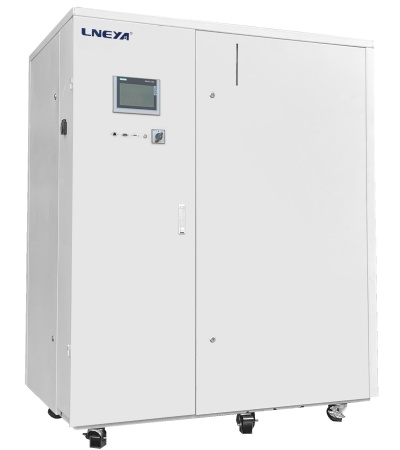
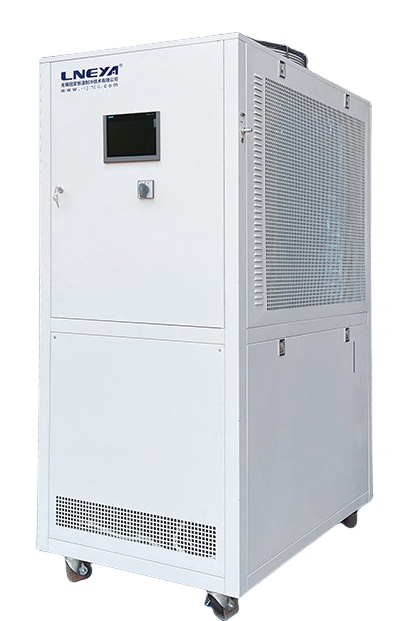
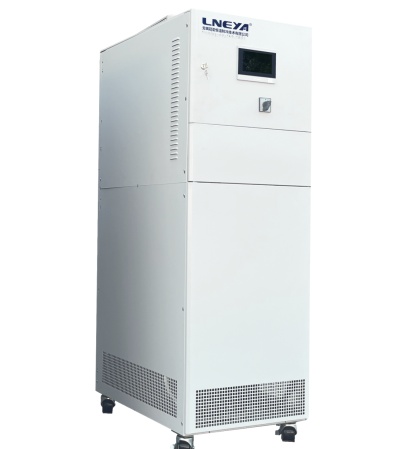
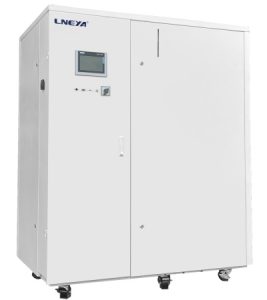
Portable Water Chillers for Industrial Use In the dynamic landscape of industrial operations, maintaining precise temperature control is often a prerequisite for successful processes. Portable water chillers have emerged as invaluable assets, offering a flexible and efficient solution for cooling water in industrial settings.
How Portable Water Chillers Work The Refrigeration Cycle at the Core All portable water chillers, regardless of their industrial applications, operate on the fundamental refrigeration cycle. At the heart of this cycle is the compressor. The compressor sucks in low – pressure refrigerant vapor from the evaporator. Through mechanical compression, it elevates the pressure and temperature of the refrigerant. This high – pressure, high – temperature vapor then travels towards the condenser. Heat Dissipation in the Condenser In the condenser, the high – pressure refrigerant vapor dissipates its heat. For industrial portable units, air – cooled condensers are quite common due to their simplicity and ease of maintenance. Fins and a fan are integrated into the condenser design. The fins significantly increase the surface area available for heat exchange, while the fan blows air over these fins, effectively carrying away the heat from the refrigerant. As the refrigerant cools down during this process, it condenses into a high – pressure liquid. Pressure Drop and Cooling in the Expansion Valve The high – pressure liquid refrigerant next passes through an expansion valve. This valve causes a sudden reduction in the refrigerant’s pressure. As the pressure drops, the refrigerant rapidly expands and cools down. It exits the expansion valve as a low – pressure, low – temperature two – phase mixture, a combination of liquid and vapor. Heat Absorption in the Evaporator In the evaporator, the low – pressure, low – temperature refrigerant comes into contact with the water that needs to be cooled. Heat transfer occurs, with the refrigerant absorbing heat from the water. As the refrigerant absorbs this heat, it vaporizes. The now – cooled water can then be circulated to the industrial equipment or processes that require cooling. The refrigerant, now in vapor form, returns to the compressor to restart the cycle. This continuous loop enables the chiller to consistently maintain a lower water temperature. Design Features of Industrial Portable Water Chillers Robust and Compact Build Industrial portable water chillers are designed to withstand the rigors of industrial environments. They are constructed using durable materials, such as high – grade stainless steel or rugged plastics for the casing, to resist corrosion and mechanical damage. Despite their robust build, they maintain a compact size and small footprint. This allows them to be easily moved around factory floors, placed in tight workspaces, or transported to different job sites. Some models are equipped with sturdy handles or wheels, further enhancing their portability.
Integrated and Efficient Components These chillers have all the necessary components – compressor, condenser, expansion valve, and evaporator – integrated into a single unit. This integration not only saves space but also simplifies the installation process. In most cases, the chiller is a self – contained unit that only requires connection to a power source and the water inlet and outlet pipes. Some industrial – grade portable water chillers also feature built – in water tanks, which can be extremely useful for applications where a continuous supply of pre – cooled water is needed, especially in areas with inconsistent water supply. Advanced Temperature Control Systems To meet the precise temperature requirements of industrial processes, portable water chillers are equipped with advanced temperature control systems. Digital temperature displays are standard, enabling operators to set and monitor the desired water temperature with great precision. Many models utilize proportional – integral – derivative (PID) controllers. These controllers adjust the operation of the compressor and other components based on the difference between the set temperature and the actual measured temperature. This ensures that the water temperature remains stable within a narrow range, which is critical for industrial applications where even minor temperature fluctuations can affect product quality or process efficiency. Noise and Vibration Isolation Industrial environments can be noisy, but excessive noise from equipment can still be a nuisance and a safety concern. Portable water chillers are designed with noise and vibration reduction features. Rubber mounts are used to isolate the compressor and other vibrating components from the rest of the unit. Additionally, the fans are engineered to operate quietly, minimizing disruptions to the industrial workspace. This is especially important in industries such as electronics manufacturing, where quiet operation is essential to avoid interfering with sensitive equipment. Applications in Industrial Sectors Food and Beverage Industry Brewing and Distilling In the brewing and distilling processes, maintaining the right temperature is crucial. Portable water chillers are used to cool the wort (the liquid extracted from the mashing process in brewing) before fermentation. Precise temperature control during this stage affects the quality of the final product, such as the flavor and alcohol content of the beer. In distilleries, they are used to cool the distillate, ensuring that the spirits have the desired characteristics. For example, in a small – scale craft brewery, a portable water chiller can be easily moved to different production areas, providing on – the – spot cooling for batches of wort. Food Processing and Packaging In food processing plants, portable water chillers are used for various applications. They can cool the water used in cleaning equipment, ensuring that the equipment is properly sanitized without being damaged by hot water. In food packaging, they can be used to cool the products before packaging to extend their shelf – life. For instance, in a bakery, a portable water chiller can cool the water used in icing machines, preventing the icing from melting during application. In a meat processing plant, it can cool the water used for washing and chilling the meat to maintain its freshness. Plastics Manufacturing Injection Molding In plastic injection molding, portable water chillers play a vital role in cooling the molds. When molten plastic is injected into the molds, it needs to cool down rapidly and evenly to form the desired shape accurately. The portable water chiller circulates cooled water through channels in the molds, ensuring that the plastic solidifies properly. This helps in reducing cycle times, improving the surface finish of the plastic parts, and preventing defects such as warping. In a small – scale plastics manufacturing shop, a portable water chiller can be easily moved between different injection molding machines, providing cooling as needed. Extrusion Processes During plastic extrusion, where plastic is forced through a die to create various shapes, the extruded plastic needs to be cooled quickly to maintain its shape. Portable water chillers are used to cool the water in the cooling baths or the cooling jackets around the extrusion equipment. This ensures that the plastic cools evenly and consistently, resulting in high – quality extruded products. For example, in the production of plastic pipes, the portable water chiller cools the water that surrounds the newly extruded pipe, allowing it to solidify into the correct shape.
Electronics Manufacturing Semiconductor Fabrication In semiconductor manufacturing, maintaining precise temperature control is critical. Portable water chillers are used to cool the equipment used in processes such as wafer etching, deposition, and lithography. These processes are highly sensitive to temperature changes, and even a slight deviation can affect the quality of the semiconductor chips. The portable water chiller ensures that the water – cooled components of the manufacturing equipment, such as the cooling plates in wafer – processing tools, are kept at the optimal temperature. This helps in improving the yield and performance of the semiconductor chips. Testing and Assembly During the testing and assembly of electronic devices, portable water chillers can be used to cool the testing equipment and the components being assembled. For example, in the testing of high – performance computer processors, the processors generate a significant amount of heat during operation. A portable water chiller can cool the water that is used to dissipate this heat, ensuring that the processors are tested under normal operating temperatures. In the assembly of electronic devices, it can cool the soldering irons or other heat – generating tools to prevent overheating and ensure accurate soldering. Selection and Maintenance of Industrial Portable Water Chillers Selection Criteria Cooling Capacity Requirements The cooling capacity of the portable water chiller should be carefully matched to the specific needs of the industrial process. Calculate the amount of heat that needs to be removed from the water. Consider factors such as the volume of water to be cooled, the initial and desired final water temperatures, and the time frame within which the cooling needs to occur. For example, in a high – volume food processing operation where large quantities of water need to be cooled quickly, a chiller with a high cooling capacity will be required. Temperature Range and Precision Industrial processes often have strict temperature requirements. Ensure that the chiller can achieve the required temperature range and maintain the desired temperature accuracy. For applications such as semiconductor manufacturing, where temperature tolerances can be as low as ±0.1°C, a chiller with highly precise temperature control capabilities should be selected. Check the specifications of the chiller to ensure it can reach the minimum and maximum temperatures needed for your specific industrial application. Portability and Durability Features Since portability is a key feature, look for models with features that enhance mobility. A lightweight yet durable design, easy – to – carry handles, and wheels for smooth movement are important. Consider the frequency of movement and the type of industrial environment. In a large factory with uneven floors, a chiller with rugged wheels and a sturdy frame may be more suitable. Also, ensure that the chiller is built to withstand the harsh conditions of the industrial setting, such as exposure to dust, moisture, and chemicals. Energy Efficiency Considerations Energy – efficient chillers can lead to significant cost savings over time. Look for models with high – efficiency ratings, such as a high coefficient of performance (COP). Energy – efficient chillers not only reduce operating costs but also contribute to environmental sustainability. In industries where energy consumption is a major concern, choosing an energy – efficient portable water chiller can be a strategic decision. Maintenance Practices Regular Refrigerant Checks Regularly inspect the refrigerant levels in the chiller. Leaks in the refrigerant system can lead to reduced cooling capacity and increased energy consumption. If a leak is detected, it should be repaired promptly by a qualified technician. Ensure that the refrigerant used is environmentally friendly and compliant with relevant regulations. In some industrial applications, the use of certain refrigerants may be restricted due to their environmental impact, so it’s important to use approved alternatives. Component Inspection and Cleaning Inspect the components of the chiller regularly. Check the compressor for signs of abnormal vibration or noise, which could indicate mechanical problems. Clean the condenser fins to remove dust, debris, and any contaminants that may have accumulated. A dirty condenser can significantly reduce the heat – transfer efficiency of the chiller. Also, examine the evaporator for any signs of scale formation or blockages. The water inlet and outlet pipes should be inspected for leaks and proper flow. In industrial environments, where the water may contain impurities, regular cleaning and inspection of these components are crucial. Water Quality Management If the chiller is used with water that has a high mineral content or other impurities, scale formation can occur in the evaporator and pipes. Implement a water treatment system or add appropriate water treatment chemicals to prevent scale formation. Regularly clean the water tank (if the chiller has one) to prevent the growth of bacteria and algae. Maintaining good water quality not only extends the lifespan of the chiller but also ensures consistent cooling performance. Temperature Calibration Periodically calibrate the temperature control system of the chiller. Use a calibrated thermometer to compare the actual water temperature with the temperature displayed on the chiller. If there is a deviation, adjust the calibration settings according to the manufacturer’s instructions. Accurate temperature calibration is essential for industrial processes that require precise temperature control to ensure product quality and process efficiency. In conclusion, portable water chillers are indispensable in industrial settings, offering a flexible and efficient cooling solution. By understanding their operation, applications, and proper selection and maintenance, industrial operators can effectively utilize these devices to enhance their production processes, improve product quality, and reduce operational costs.
Cooling heaters, also known as heat pumps, are energy-efficient systems that provide both heating and cooling capabilities. These versatile units operate by transferring heat from one place to another, offering a sustainable solution for temperature control in various settings. The article discusses the types, energy efficiency, and technological advancements of cooling heaters, emphasizing their role in reducing energy consumption and environmental impact. It also provides insights into their practical applications and maintenance tips for optimal performance.
The Operation and Significance of 10-Ton Chillers A 10-ton chiller is a critical component in many industrial and commercial cooling applications. It operates on the principle of the mechanical vapor compression refrigeration cycle, where a ref...
An airstack chiller is a cooling device that primarily relies on air for heat dissipation, providing efficient and reliable cooling solutions. It operates based on the principle of convective heat transfer, with common types including forced - air and natural - air airstack chillers. Forced - air chillers use fans to accelerate heat exchange, while natural - air chillers rely on natural air currents. Airstack chillers offer advantages such as simplicity, low maintenance requirements, and suitability for areas with limited water resources. They are widely applied in industrial machinery cooling, electronics, and small - scale commercial settings. When choosing an airstack chiller, factors like cooling capacity, airflow rate, noise level, and environmental compatibility should be considered to ensure optimal performance.
An air-cooled fluid cooler is a heat exchange system designed to cool process fluids using ambient air as the cooling medium. It is widely used in industrial and commercial applications where water availability is limited or water conservation is a priority. The system operates by transferring heat from the process fluid to the air through a series of finned tubes, facilitated by fans that enhance airflow. Air-cooled fluid coolers are energy-efficient, environmentally friendly, and require minimal maintenance. They are commonly used in power plants, chemical processing, HVAC systems, and manufacturing industries. This guide explores the working principles, components, advantages, and applications of air-cooled fluid coolers.
 Industrial Chiller Heater Equipment Supplier-LNEYA