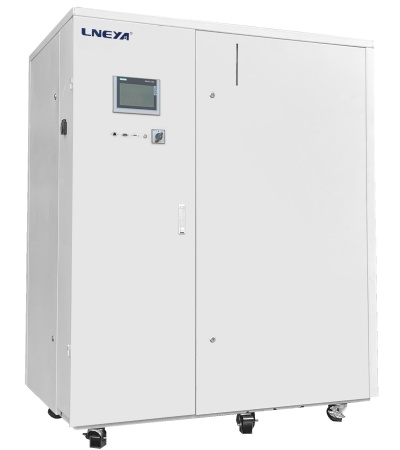
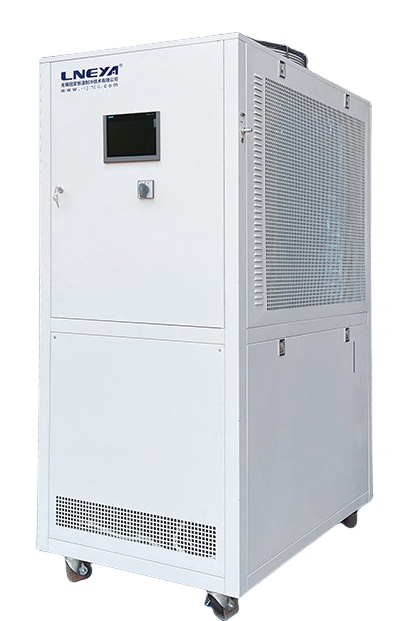
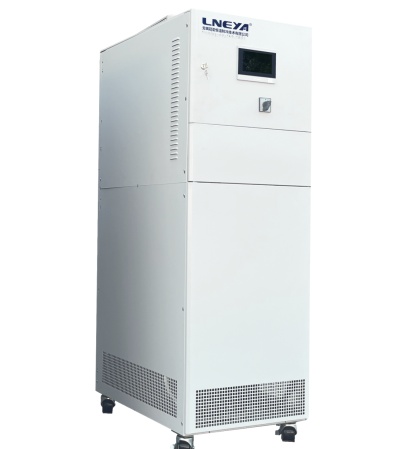
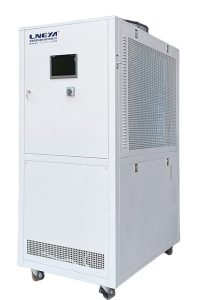
Portable Small Water Chillers Portable small water chillers have emerged as valuable tools in scenarios where a compact and mobile cooling solution for water is needed. These devices offer a convenient way to lower the temperature of water, which is essential for many processes.
How Portable Small Water Chillers Work Refrigeration Cycle Basics Portable small water chillers operate on the well – known refrigeration cycle. At the heart of this cycle is the compressor. The compressor draws in low – pressure refrigerant vapor from the evaporator. Through mechanical compression, it raises the pressure and temperature of the refrigerant. This high – pressure, high – temperature vapor is then directed towards the condenser. Condenser Function In the condenser, the high – pressure refrigerant vapor releases its heat. For small portable units, air – cooled condensers are commonly used. Fins and a small fan are employed to enhance heat transfer. The fins increase the surface area available for heat exchange, and the fan blows air over the fins, carrying away the heat from the refrigerant. As the refrigerant cools, it condenses into a high – pressure liquid. Expansion Valve Role The high – pressure liquid refrigerant then passes through an expansion valve. This valve suddenly reduces the pressure of the refrigerant. As the pressure drops, the refrigerant expands and cools down significantly. It exits the expansion valve as a low – pressure, low – temperature two – phase mixture (a combination of liquid and vapor). Evaporator Operation In the evaporator, the low – pressure, low – temperature refrigerant comes into contact with the water that needs to be cooled. Heat is transferred from the water to the refrigerant. As the refrigerant absorbs heat, it vaporizes. The now – cooled water can be circulated to the areas or equipment that require cooling. The refrigerant, now in vapor form, returns to the compressor to start the cycle again. This continuous cycle enables the chiller to maintain a lower water temperature. Design and Features of Portable Small Water Chillers
Compact and Light – weight Design One of the primary features of portable small water chillers is their compact size and light weight. These chillers are designed to be easily moved around. They often have a small footprint, allowing them to be placed on a bench – top in a laboratory or a small industrial workstation. The use of lightweight materials in their construction, such as aluminum for the casing in some models, contributes to their portability. Some models are even small enough to be carried by hand, making them suitable for on – site applications where mobility is crucial. Integrated Components Portable small water chillers typically have all the necessary components integrated into a single unit. The compressor, condenser, expansion valve, and evaporator are compactly arranged within the chiller’s housing. This integration not only saves space but also simplifies the installation process. In many cases, the chiller comes as a self – contained unit that only requires connection to a power source and the water inlet and outlet pipes. Some models also have built – in water tanks, which can be useful for applications where a continuous supply of pre – cooled water is needed. Temperature Control These chillers are equipped with temperature control systems. Digital temperature displays are common, allowing users to set and monitor the desired water temperature precisely. Advanced models may use proportional – integral – derivative (PID) controllers to regulate the temperature accurately. The PID controller adjusts the operation of the compressor and other components based on the difference between the set temperature and the actual measured temperature. This ensures that the water temperature remains stable within a narrow range, which is important for applications that require precise temperature control. Noise and Vibration Reduction To make them suitable for use in environments where noise and vibration are concerns, such as laboratories or offices, portable small water chillers are designed with noise and vibration reduction features. Rubber mounts are often used to isolate the compressor and other vibrating components from the rest of the unit. Additionally, the fans are designed to operate quietly, minimizing any disruptions to the surrounding environment. Applications of Portable Small Water Chillers Laboratory Applications Chemical and Biological Research
In chemical and biological laboratories, portable small water chillers are used for a variety of purposes. In chemical reactions, they can cool reaction vessels to maintain the optimal temperature for the reaction. For example, in some organic synthesis reactions, a specific temperature range is required to ensure the formation of the desired product. The small water chiller can provide a stable and controlled cooling source. In biological research, they are used to cool equipment such as microscopes. Some high – end microscopes generate heat during operation, which can affect the accuracy of the imaging. The chiller cools the water that circulates through the microscope’s cooling system, preventing overheating. Sample Storage and Preparation Portable small water chillers are also useful for sample storage and preparation. In a laboratory, samples may need to be stored at a specific low temperature. The chiller can cool the water used in a cold storage system for samples, such as in a refrigerator – like unit where water – cooled coils are used to maintain the low temperature. During sample preparation, for instance, when diluting certain sensitive samples with water, the water needs to be at a specific temperature. The small water chiller can ensure that the water used for dilution is at the correct temperature, preventing any adverse effects on the sample. Small – scale Industrial Applications Food and Beverage Processing In small – scale food and beverage processing, portable small water chillers have several applications. In a small – scale brewery, for example, they can be used to cool the wort (the liquid extracted from the mashing process) before fermentation. Controlling the temperature of the wort is crucial for the quality of the beer. In a small – scale dairy, the chiller can cool the milk immediately after milking to prevent spoilage. It can also be used to cool the water used in cleaning equipment in the food and beverage industry, ensuring that the equipment is properly sanitized without being damaged by hot water. Plastic and Metalworking In small – scale plastic and metalworking shops, these chillers are used to cool cutting tools. When machining plastic or metal, the cutting tools generate heat due to friction. Excessive heat can cause the tools to wear out quickly and affect the quality of the cut. The portable small water chiller cools the water that is sprayed onto the cutting tools, reducing the heat and extending the lifespan of the tools. In plastic injection molding on a small scale, the chiller can cool the molds to ensure that the plastic parts are formed correctly. Home – based Applications Home Brewing and Winemaking For home brewers and winemakers, portable small water chillers can be a valuable addition. In home brewing, they can cool the boiled wort quickly, reducing the time it takes to start the fermentation process. This helps in preventing the growth of unwanted bacteria during the cooling period. In winemaking, the chiller can be used to cool the must (the crushed fruit mixture) to the appropriate temperature for yeast fermentation. It can also be used to maintain a consistent temperature during the aging process of the wine. Aquarium and Hydroponics In aquarium setups, portable small water chillers can be used to cool the water in tropical aquariums when the ambient temperature is too high. Some tropical fish species require a specific water temperature range, and the chiller can ensure that the water remains within that range. In hydroponics systems, where plants are grown in a water – based nutrient solution, the chiller can be used to control the temperature of the solution. Maintaining the right temperature in the nutrient solution is important for optimal plant growth and nutrient uptake. Selection and Maintenance of Portable Small Water Chillers Selection Criteria Cooling Capacity The cooling capacity of the portable small water chiller should match the requirements of the intended application. Calculate the amount of heat that needs to be removed from the water. Factors such as the volume of water to be cooled, the initial and desired final water temperatures, and the time within which the cooling needs to occur should be considered. For example, if cooling a large volume of water in a short time for a small – scale industrial process, a chiller with a higher cooling capacity will be required. Temperature Range and Accuracy Consider the temperature range that the chiller can achieve and the accuracy of its temperature control. For applications that require precise temperature control, such as in a laboratory experiment, a chiller with a narrow temperature tolerance, perhaps within ±0.5°C, should be selected. Make sure the chiller can reach the minimum and maximum temperatures needed for your specific application. Portability Features Since portability is a key aspect, look for features that enhance it. A lightweight design, easy – to – carry handles, and a small footprint are important. Some models may also have wheels for easier movement. Consider how often the chiller will need to be moved and in what kind of environment, as this will influence the choice of portability features. Energy Efficiency Energy – efficient chillers can save on operating costs over time. Look for models with high – efficiency ratings, such as a high coefficient of performance (COP). Energy – efficient chillers are not only cost – effective but also more environmentally friendly. Maintenance Refrigerant Check Regularly check the refrigerant levels in the chiller. Leaks in the refrigerant system can lead to reduced cooling capacity and increased energy consumption. If a leak is detected, it should be repaired promptly by a qualified technician. Ensure that the refrigerant used is environmentally friendly and compliant with relevant regulations. Component Inspection Inspect the components of the chiller regularly. Check the compressor for signs of abnormal vibration or noise, as this could indicate mechanical problems. Clean the condenser fins to remove dust and debris, as a dirty condenser can reduce the heat – transfer efficiency of the chiller. Also, check the evaporator for any signs of scale formation or blockages. The water inlet and outlet pipes should be inspected for leaks and proper flow. Water Quality Management If the chiller is used with water that has a high mineral content, scale formation can occur in the evaporator and pipes. Use a water treatment system or add appropriate water treatment chemicals to prevent scale formation. Regularly clean the water tank (if the chiller has one) to prevent the growth of bacteria and algae. Temperature Calibration Periodically calibrate the temperature control system of the chiller. This ensures that the temperature readings are accurate. Use a calibrated thermometer to compare the actual water temperature with the temperature displayed on the chiller. If there is a deviation, adjust the calibration settings according to the manufacturer’s instructions. In conclusion, portable small water chillers offer a convenient and efficient cooling solution for a wide range of applications. Their compact design, ease of use, and versatility make them suitable for both professional and home – based operations. By understanding their operation, applications, and proper selection and maintenance, users can make the most of these devices to meet their cooling needs.
This article offers a comprehensive exploration of modular chiller manufacturers. It starts by explaining what modular chillers are and their unique advantages, such as flexibility in capacity expansion and easy installation. Then, it delves into the key aspects of reliable manufacturers, including their product range, technological innovation capabilities, and quality control measures. The article also provides guidance on how to choose the right modular chiller manufacturer, considering factors like reputation, customization options, and after - sales service. Overall, it aims to help readers understand the modular chiller manufacturing landscape and make informed decisions.
Climatic chamber tests are critical for assessing how products, materials, and biological specimens respond to various environmental conditions. These tests simulate temperature, humidity, and other factors to ensure product reliability and performance. The article discusses the principles, types, applications, benefits, and safety considerations of climatic chamber tests, providing a comprehensive understanding of their importance in research and industry.
The use of chillers spans across various industries due to their ability to maintain specific temperature ranges for cooling. This article outlines the primary applications of chillers, including HVAC systems, industrial processes, and data centers. It also discusses the efficiency and environmental impact of chiller usage, highlighting technological advancements that improve performance and sustainability. The article provides a comprehensive overview of chiller operations, their significance in energy consumption, and the future trends shaping the industry.
Teperature water baths are essential laboratory devices for maintaining stable temperatures. They operate with heating elements and precise temperature - regulating systems. Water, with its high specific heat capacity, is the heat - transfer medium, enabling gentle and consistent heating. These baths are designed to reach temperatures up to around 100°C. In biological research, they are used for cell culture incubation at 37°C. In chemistry, they control reaction temperatures. Their uniform temperature distribution, achieved through water circulation, is crucial. When using them, safety measures like proper water filling and avoiding overheating are vital. Regular maintenance, including cleaning and thermostat calibration, ensures accurate temperature control and long - term functionality.
 Industrial Chiller Heater Equipment Supplier-LNEYA