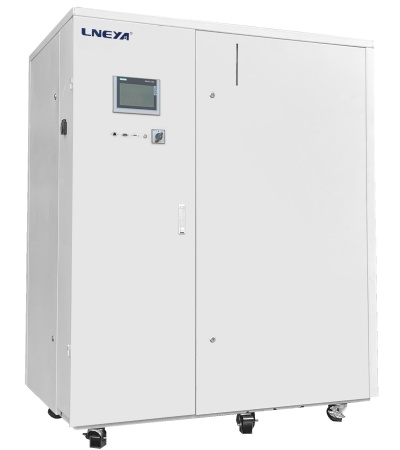
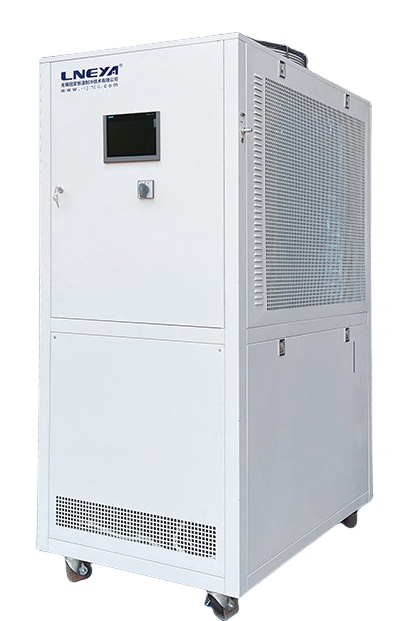
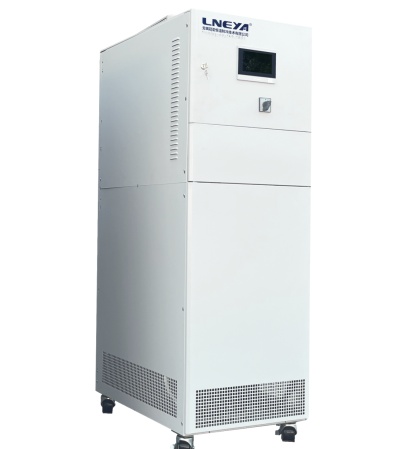
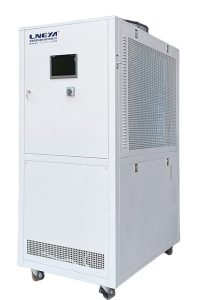
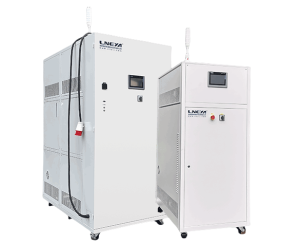
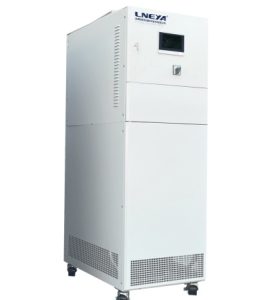
An air-cooled water chiller system is a type of cooling system that uses air to dissipate heat from the refrigerant, providing efficient temperature control by circulating chilled water. These systems are widely used in various applications, including HVAC systems, industrial processes, and commercial buildings, where reliable and efficient cooling is essential.
How Does an Air-Cooled Water Chiller System Work?
The operation of an air-cooled water chiller system involves several key steps:
Cooling Process: The chiller unit cools water using a refrigeration cycle, which typically includes a compressor, condenser, expansion valve, and evaporator. The refrigerant absorbs heat from the water, lowering its temperature.
Heat Dissipation: The heat absorbed by the refrigerant is dissipated using air-cooled condensers. Fans blow air over the condenser coils, removing heat from the refrigerant and releasing it into the atmosphere.
Circulation: A pump circulates the chilled water through a closed-loop system that connects to the equipment or areas requiring cooling. The water absorbs heat from the process, thereby maintaining the desired temperature.
Return and Recooling: The now warmer water returns to the chiller, where it is cooled again, and the cycle repeats. This continuous process ensures the system remains at a stable temperature.
Components of an Air-Cooled Water Chiller System
An air-cooled water chiller system consists of several key components:
Compressor: The compressor is the heart of the chiller system. It compresses the refrigerant, increasing its temperature and pressure.
Condenser: The condenser is where the refrigerant releases heat to the surrounding air. In air-cooled systems, fans blow air over the condenser coils to facilitate heat dissipation.
Evaporator: The evaporator is where the refrigerant absorbs heat from the water, cooling it down. The chilled water is then circulated through the system.
Expansion Valve: The expansion valve regulates the flow of refrigerant into the evaporator, controlling the cooling process.
Fans: Fans are used to blow air over the condenser coils, removing heat from the refrigerant and releasing it into the atmosphere.
Applications of Air-Cooled Water Chiller Systems
Air-cooled water chiller systems are used in a wide range of applications, including:
HVAC Systems: In large buildings, air-cooled water chiller systems are used to cool air handlers, which then distribute cool air throughout the building. This is a common method for maintaining comfortable indoor temperatures in commercial and residential spaces.
Industrial Processes: Many industrial processes, such as plastic injection molding and metalworking, require precise temperature control. Air-cooled water chiller systems provide the necessary cooling for these applications.
Commercial Buildings: In commercial buildings, such as offices, hotels, and shopping malls, air-cooled water chiller systems are used to maintain comfortable indoor environments.
Data Centers: Data centers generate substantial heat from servers and other equipment. Air-cooled water chiller systems are used to maintain optimal operating temperatures, ensuring the reliability and efficiency of the data center.
Benefits of Using Air-Cooled Water Chiller Systems
The use of air-cooled water chiller systems offers several advantages:
Energy Efficiency: Air-cooled water chiller systems are designed to be energy-efficient, helping to reduce operational costs while maintaining effective cooling.
Ease of Installation: These systems are easier to install compared to water-cooled systems, as they do not require a separate cooling water source or complex piping.
Low Maintenance: Air-cooled water chiller systems have fewer components and require less maintenance compared to water-cooled systems, reducing downtime and maintenance costs.
Space Savings: Air-cooled systems do not require cooling towers or additional water treatment equipment, saving valuable space in facilities.
Environmental Impact: By using air to dissipate heat, air-cooled water chiller systems reduce water consumption and the associated environmental impact.
Conclusion
Air-cooled water chiller systems are versatile and efficient cooling solutions for a wide range of applications. Understanding their functionality, components, and benefits can help users select the right system for their needs, ensuring optimal performance and energy efficiency. Whether in HVAC systems, industrial processes, commercial buildings, or data centers, air-cooled water chiller systems play a crucial role in maintaining the desired temperature and enhancing overall system reliability.
Testing temperature is a critical process across various industries to ensure product quality, safety, and performance. This involves using temperature measurement instruments such as thermometers, thermocouples, and infrared sensors. The article discusses different methods and tools for temperature testing, calibration, and the importance of accurate temperature measurement in applications like food safety, industrial processes, and climate monitoring.
A heat transfer oil system is a crucial setup for industrial heating. This article offers a full - scale exploration. It first defines the system and its function in transferring heat efficiently. The working principle, which involves heating the oil and circulating it to transfer heat, is explained. Key components like heaters, pumps, and heat exchangers are described. Different types, such as open - loop and closed - loop systems, are introduced. Their applications in various industries like chemical, food, and manufacturing are detailed. The advantages, including high - temperature operation, energy - efficiency, and stable heat transfer, are elaborated. Additionally, factors for choosing the right system, such as temperature requirements, heating capacity, and oil compatibility, are presented.
A 5000-ton chiller is an industrial-scale cooling system used for large-scale temperature control in various applications, including chemical plants, power generation, and large commercial buildings. These chillers offer high efficiency and are designed to operate continuously under heavy loads. They can be water-cooled or air-cooled, with the former offering higher efficiency. The market for 5000-ton chillers is growing due to increasing demand from various industries and advancements in technology. This article provides an overview of 5000-ton chillers, their applications, and market trends.
An 80-ton chiller is a large-capacity cooling system designed to remove heat from industrial processes, commercial buildings, or other applications requiring significant cooling. This article provides a comprehensive overview of 80-ton chillers, including their working principles, types, applications, and benefits. These chillers are widely used in industries such as manufacturing, data centers, pharmaceuticals, and HVAC due to their ability to deliver high cooling capacity with precision and reliability. The article also discusses key factors to consider when selecting an 80-ton chiller, such as energy efficiency, cooling load requirements, and environmental impact. Additionally, maintenance tips and the importance of proper system design are covered. By understanding these aspects, businesses can make informed decisions to optimize cooling efficiency and sustainability.
 Industrial Chiller Heater Equipment Supplier-LNEYA