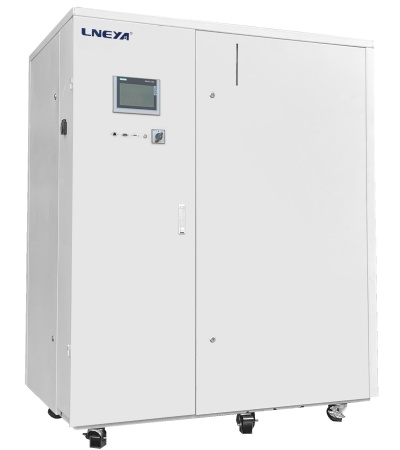
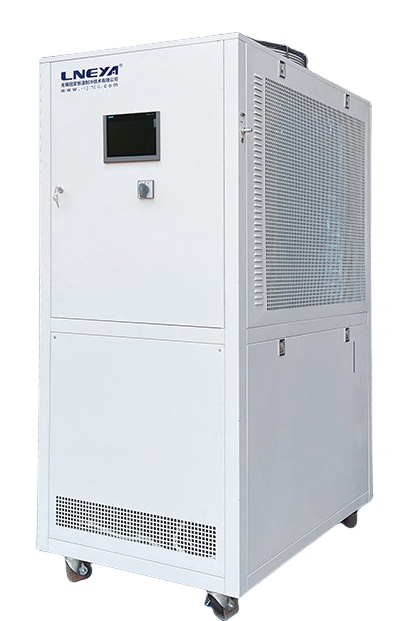
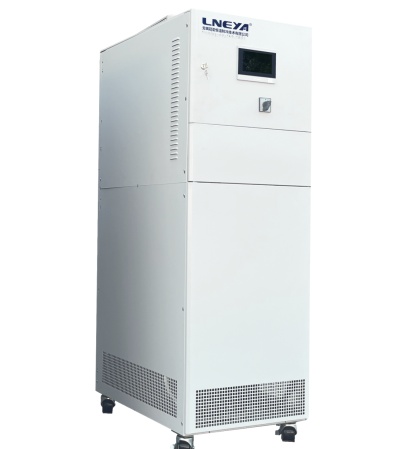
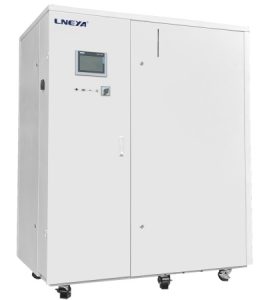
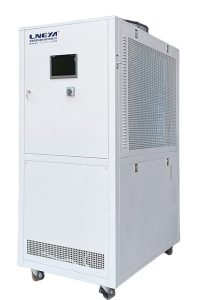
The Significance of Water Chillers for Laser Cutting Machines Ensuring Stable Laser Output: Lasers generate a significant amount of heat during operation. If this heat is not effectively removed, it can cause the laser components to overheat, leading to fluctuations in the laser output power. A water chiller helps to maintain a constant temperature for the laser source, ensuring a stable and consistent laser beam. This stability is essential for achieving precise cutting lines and high – quality cuts, especially when working with delicate materials or complex cutting patterns.
Protecting Equipment Components: The high – temperature environment can also damage other components of the laser cutting machine, such as the optical lenses and mirrors. These components need to be kept at a specific temperature to maintain their optical properties and alignment. The water chiller cools the coolant, which in turn protects these sensitive components from heat – induced damage, extending the overall lifespan of the laser cutting machine. Enhancing Cutting Efficiency: By preventing overheating, the water chiller allows the laser cutting machine to operate continuously for longer periods. This reduces the need for frequent cooling – down breaks, increasing the overall productivity of the cutting process.
Working Principle
Refrigeration Cycle Most water chillers for laser cutting machines operate based on the vapor – compression refrigeration cycle. The cycle begins with the compressor. The compressor takes in low – pressure, low – temperature refrigerant vapor and compresses it into a high – pressure, high – temperature vapor. This high – pressure vapor then enters the condenser. In the condenser, the refrigerant releases heat to the surrounding environment (either through air or water, depending on the type of condenser). As the heat is dissipated, the refrigerant condenses into a high – pressure liquid. The high – pressure liquid refrigerant then passes through an expansion valve, which reduces its pressure and causes it to expand and evaporate. During evaporation in the evaporator, the refrigerant absorbs heat from the coolant (usually water or a water – glycol mixture) that is circulating through the laser cutting machine. The low – pressure, low – temperature refrigerant vapor then returns to the compressor, and the cycle repeats.
Heat Exchange Process The heat exchange process is crucial for the cooling of the laser cutting machine. The hot coolant from the laser source flows through the evaporator of the water chiller. Inside the evaporator, the refrigerant is evaporating and absorbing heat from the coolant. The design of the evaporator is optimized to maximize the heat – transfer rate between the two fluids. For example, in a shell – and – tube evaporator, the coolant may flow through the tubes, while the refrigerant surrounds the tubes in the shell. The large surface area of the tubes and the efficient contact between the coolant and the refrigerant ensure effective heat transfer. After passing through the evaporator, the cooled coolant returns to the laser cutting machine to absorb more heat, creating a continuous cooling loop.
Types of Water Chillers for Laser Cutting Machines
Air – Cooled Water Chillers Air – cooled water chillers use air as the medium for heat dissipation. They have a relatively simple structure, consisting mainly of a compressor, a condenser with fins, an evaporator, and a fan. The fan blows air over the condenser fins, which helps to transfer the heat from the refrigerant to the surrounding air. Air – cooled water chillers are suitable for small – to – medium – sized laser cutting machines, especially in environments where a water – cooling infrastructure is not readily available. They are easy to install and maintain, but their cooling efficiency may be affected by high ambient temperatures. In hot climates, the air – cooled chiller may struggle to dissipate heat effectively, leading to reduced cooling performance.
Water – Cooled Water Chillers Water – cooled water chillers use water as the heat – dissipation medium. They are more complex than air – cooled chillers and typically consist of a compressor, a water – cooled condenser, an evaporator, and a water pump. The water – cooled condenser transfers the heat from the refrigerant to the cooling water. The cooling water is then circulated through a cooling tower or a heat exchanger, where it dissipates the heat to the environment. Water – cooled water chillers are more efficient than air – cooled ones, especially in large – scale laser cutting applications. They can handle higher heat loads and are less affected by ambient temperature changes. However, they require a reliable source of cooling water and a more complex installation, including plumbing for the water – cooling system.
Considerations when Selecting a Water Chiller
Cooling Capacity The cooling capacity of the water chiller should match the heat load of the laser cutting machine. The heat load can be calculated based on the power of the laser source, the efficiency of the laser, and other heat – generating components in the machine. It is essential to choose a chiller with sufficient cooling capacity to ensure effective heat removal. Selecting a chiller with too low a cooling capacity will result in overheating of the laser cutting machine, while an oversized chiller will be a waste of energy and resources.
Temperature Control Accuracy Laser cutting processes often require precise temperature control. The water chiller should be able to maintain the coolant temperature within a narrow range, typically ±0.5°C or even better for high – precision laser cutting. This ensures consistent performance of the laser and the quality of the cutting results. Look for chillers with advanced temperature control systems, such as PID controllers, which can accurately regulate the temperature.
Flow Rate The flow rate of the coolant is another important factor. The water chiller should be able to provide an adequate flow rate to ensure proper heat transfer. Insufficient flow rate can lead to hot spots in the laser cutting machine, reducing the cooling efficiency and potentially damaging the equipment. The required flow rate depends on the design of the laser cutting machine and the heat load.
Noise Level In some working environments, noise level is a concern. Air – cooled water chillers, especially those with large fans, can produce significant noise during operation. If the laser cutting machine is located in a noise – sensitive area, such as a workshop near an office or a residential area, it is advisable to choose a chiller with a low – noise design or consider additional noise – reduction measures.
Maintenance and Care
Regular Cleaning Regular cleaning of the water chiller is essential to maintain its performance. This includes cleaning the condenser fins (for air – cooled chillers), the evaporator surfaces, and the water filters. Dust, dirt, and debris can accumulate on these components over time, reducing the heat – transfer efficiency and increasing the energy consumption of the chiller. Use appropriate cleaning tools, such as soft brushes and compressed air, to remove the contaminants.
Component Inspection Periodically inspect the components of the water chiller, such as the compressor, expansion valve, refrigerant lines, and water pump. Check for any signs of wear, leaks, or damage. A worn – out compressor may not be able to compress the refrigerant effectively, leading to reduced cooling capacity. Leaks in the refrigerant lines can result in a loss of refrigerant and a decrease in cooling performance. If any issues are detected, they should be addressed promptly by a qualified technician.
Water Quality Management For water – cooled water chillers, maintaining good water quality is crucial. The cooling water should be regularly tested for pH, hardness, and the presence of contaminants. High – hardness water can cause scale formation in the water – cooling system, which can reduce the heat – transfer efficiency and damage the components. Use water treatment methods, such as adding water – treatment chemicals or using a water softener, to ensure the long – term reliability of the chiller.
Market Overview The market for water chillers for laser cutting machines is diverse, with a wide range of products available from different manufacturers. There are both domestic and international brands, each offering different features, performance levels, and price points. Some well – known international brands are recognized for their advanced technology, high – quality components, and reliable performance. These brands often target high – end laser cutting applications where precision and durability are of utmost importance. On the other hand, there are also many domestic manufacturers that offer cost – effective solutions, suitable for small – and medium – sized enterprises with budget constraints. The market is constantly evolving, with new technologies and products being introduced regularly to meet the growing demands of the laser cutting industry. In conclusion, a water chiller is an essential part of a laser cutting machine. Understanding its working principle, types, selection criteria, maintenance requirements, and the market landscape is crucial for laser cutting machine operators and owners. By choosing the right water chiller and maintaining it properly, they can ensure the efficient and reliable operation of their laser cutting machines, achieving high – quality cutting results and maximizing productivity.
Cooler cooling refers to the process of reducing temperature using cooling systems, which is crucial in various applications from industrial processes to data centers. This article discusses the principles, types, applications, and market trends of cooler cooling, providing a comprehensive overview of the technology and its significance in maintaining optimal temperatures.
Chiller unit manufacturers are entities that design, produce, and distribute cooling systems for various industrial, commercial, and institutional applications. This article explores their role, the types of chiller units they manufacture, key capabilities (design, customization, quality control), industry standards they adhere to, and emerging trends in their production. It provides a detailed understanding of how these manufacturers meet diverse cooling needs with reliable, efficient systems.
This article delves into the topic of chiller supply. It begins by defining what chiller supply encompasses, including the different types of chillers available in the market such as air-cooled and water-cooled chillers. The factors influencing chiller supply are explored, like demand from various industries, technological advancements, and regulatory requirements. It also discusses the key aspects of the supply chain, including manufacturing, distribution, and after-sales support. Additionally, considerations for buyers when sourcing chillers, such as performance, energy efficiency, and cost, are presented. By understanding these elements, both suppliers and buyers can navigate the chiller supply landscape more effectively.
Chiller systems are essential for maintaining comfortable temperatures in commercial and industrial settings. These systems operate on refrigeration principles to cool water that is then circulated for air conditioning or process cooling. The article discusses the types of chillers, their operating principles, efficiency, applications, and optimization strategies. It also addresses the environmental impact and technological advancements in chiller systems, providing a comprehensive overview of their role in modern HVAC systems.
 Industrial Chiller Heater Equipment Supplier-LNEYA