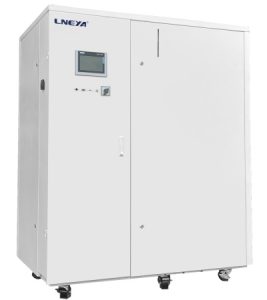
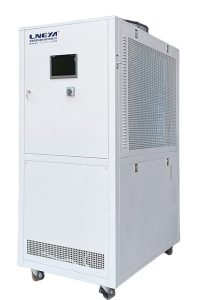
The chiller market in Australia is characterized by a robust manufacturing sector that caters to the diverse needs of industries ranging from mining to food processing. This article delves into the landscape of chiller manufacturers in Australia, examining their contributions to the market, the technologies they employ, and the trends shaping their operations.
Key Manufacturers and Their Contributions:
Thermal Engineering: Thermal Engineering is recognized as Australia’s trusted chiller manufacturer, specializing in heat rejection solutions for mining and industrial sectors. With over 30 years of experience, the company offers a comprehensive suite of services, including refrigeration and chiller servicing, condition reporting, troubleshooting, and technical analyses. Their product range includes heavy mining chillers, light mining chillers, and large capacity chillers, designed to withstand harsh conditions and improve operational efficiency.
Aqua Chiller: Aqua Chiller, established in 1994, is Australia’s leading manufacturer of industrial process chillers, known for their quality, performance, and reliability. They offer a wide range of chillers with a duty range of 1.5kW to 200kW, suitable for various applications including agriculture, healthcare, and food processing.
Market Trends and Innovations:
Energy Efficiency and Sustainability: The Australian government has initiated strategies like the Heating, Ventilation and Air Conditioning High-Efficiency Systems Strategy (HVAC HESS) to improve the energy efficiency of HVAC systems, including chillers, over the next decade. This trend is driving manufacturers to develop more energy-efficient and sustainable chiller systems.
Smart and Connected Chillers: The adoption of smart and connected chillers, enabled by Internet of Things (IoT) technology, is a transformative trend in the market. These chillers offer improved energy efficiency, remote monitoring, and predictive maintenance capabilities.
Eco-Friendly Products: Rising environmental concerns have led to an increase in demand for eco-friendly chillers that use natural refrigerants and renewable energy sources. Manufacturers are responding by developing chillers with low Global Warming Potential (GWP) refrigerants, such as R-290 (propane).
Regional Market Conditions and Growth:
Australia’s extreme climate and growing urban population are driving the demand for efficient chillers across residential, industrial, and commercial settings. The country’s temperature ranges between 50°C and -23°C, making chillers essential for comfort and industrial processes . The urban population, which accounts for 87% of the total population, is further fueling the demand for chillers in residential settings .
Conclusion:
The chiller manufacturing industry in Australia is marked by innovation and a commitment to energy efficiency and sustainability. Leading manufacturers like Thermal Engineering and Aqua Chiller are at the forefront of this industry, providing cutting-edge solutions to meet the demands of various sectors. As the market continues to grow, driven by extreme climates, urbanization, and environmental concerns, these manufacturers play a crucial role in shaping the future of chiller technology in Australia.
Glycol chillers in Canada are vital cooling systems that use glycol - water mixtures as heat transfer fluids. They play a crucial role in various industries and applications across the country. These chillers work by circulating the glycol - water solution through a closed - loop system, absorbing heat from the process or space being cooled and releasing it elsewhere. In Canada, they are widely used in commercial buildings for HVAC systems, in industrial processes like food and beverage production, and in data centers for server cooling. Glycol chillers offer advantages such as efficient heat transfer, freeze protection in cold Canadian climates, and compatibility with different applications. Understanding their operation, types, and applications helps in making informed decisions regarding their use in Canada.
Industrial water heater manufacturers play a pivotal role in providing essential heating solutions for various commercial and industrial applications. These manufacturers offer a range of products, from electric to gas-powered heaters, with different capacities and fuel types to meet specific process requirements. The article discusses the market overview, key players, technological advancements, and the impact of global standards on the industry. It also highlights the market growth trends and the factors driving the demand for industrial water heaters.
A 20-ton water-cooled chiller is a high-capacity cooling system designed for large-scale commercial and industrial applications. The abstract summarizes the main aspects of this chiller type, including its cooling capacity, the use of water as a condensing medium, and the benefits it provides in terms of efficiency and reliability. It also touches on the importance of selecting the right chiller based on specific application needs and the environmental considerations associated with the use of refrigerants.
A glycol water chiller is an industrial process chiller that utilizes a glycol-water mixture as a coolant, providing consistent cooling temperatures for various applications. This article covers the types of glycol chillers, their applications in industries like food processing and HVAC, efficiency, safety considerations, industry standards, maintenance, technological advancements, environmental impact, and energy efficiency. It also touches on market analysis and industry trends, offering a comprehensive overview of glycol chiller systems.
 Industrial Chiller Heater Equipment Supplier-LNEYA