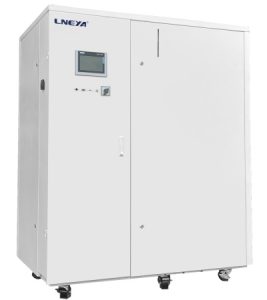
5TR Chiller: Technical Specifications, Applications, and Market Analysis
Technical Specifications
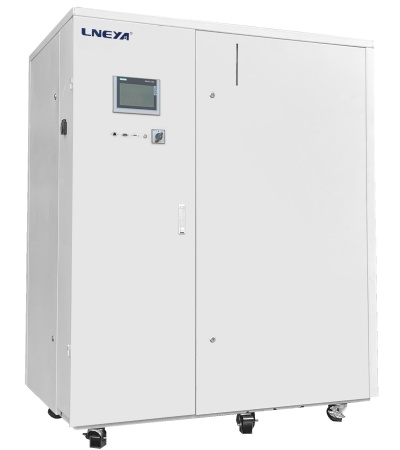
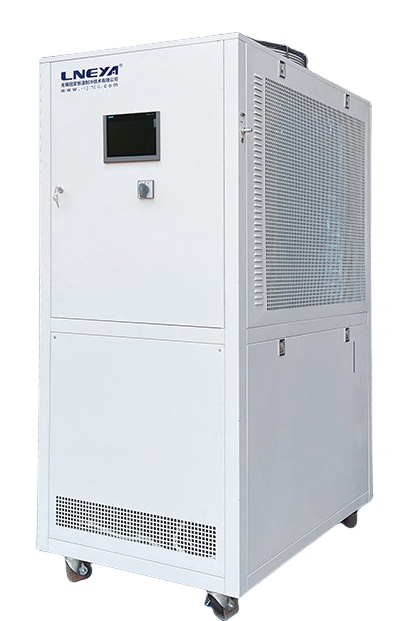
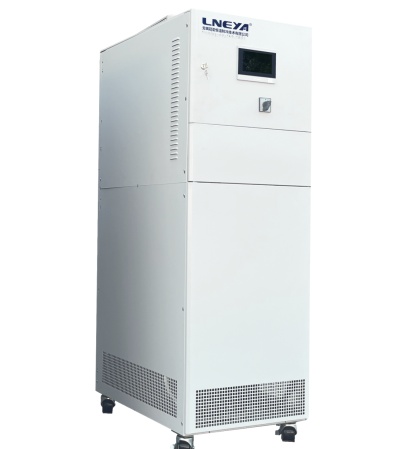
The 5TR chiller, with a cooling capacity of 60,000 BTUs per hour, is designed to meet the cooling demands of various industries. Key specifications of a 5TR chiller include:
Cooling Capacity: 60,000 BTUs per hour, which can also be translated into kcal/h or kW depending on the unit preferences. Refrigerant: Options include R22, R407C, R410A, and R134A, with the choice often depending on environmental regulations and system compatibility. Compressor Type: Hermetic-scroll compressors are commonly used for their efficiency and reliability. Condenser and Evaporator: High efficiency aluminum finned coil and big volume low noise axil fan for the condenser, and tank with copper coil /shell and tube for the evaporator. Safety Devices: Include compressor inner protection, over current protection, high/low pressure protection, over temperature protection, flow rate protection, phase sequence/phase missing protection, low level coolant protection, anti-freezing protection, and exhaust overheat protection.
Applications
5TR chillers are used in a wide range of applications, such as:
Plastics Processing: For cooling hydraulic systems and molds in injection molding and extrusion processes. Paper Making: To maintain the temperature of processes and equipment. Medical Imaging Equipment: MRI, CT Scans, and other diagnostic machines require precise temperature control. Market Trends
The global market for chillers, including 5TR units, is expected to grow due to increasing demand from various industries. Factors influencing market growth include technological advancements, the need for energy-efficient cooling solutions, and the expansion of industries such as semiconductor manufacturing.
Industry Applications
5TR chillers are essential in industries where precise temperature control is critical:
HVAC Systems: Used in building air conditioning systems for commercial and residential complexes. Industrial Processes: Extensively used in processes like plastic injection molding, metalworking, and chemical manufacturing. Power Generation: Employed in power plants to cool turbines and generators. Refrigeration Systems: Used in cold storage warehouses and food processing facilities. Medical and Laboratory Equipment: Chillers provide precise temperature control for medical imaging machines and laboratory equipment. Conclusion
5TR chillers are versatile industrial cooling solutions with a range of technical specifications and applications. They are crucial for maintaining optimal temperatures in various processes and equipment across different industries. Understanding the technical specifications, market trends, and industry applications of 5TR chillers is essential for selecting the appropriate cooling solution for specific industrial needs.
This article provides an in - depth analysis of chiller machine prices. It covers various types of chillers, such as air - cooled, water - cooled, and evaporative - cooled, and their respective price ranges. Key factors influencing chiller prices, including capacity, cooling technology, brand reputation, and additional features, are thoroughly explored. The article also breaks down the cost components, including initial purchase, installation, and maintenance expenses. Additionally, it offers practical strategies for cost - effective purchasing, enabling readers to understand the pricing landscape and make informed decisions when buying chiller machines.
The cost of a 100 ton chiller is influenced by multiple factors. This article offers a detailed exploration. It first outlines that the cost encompasses initial purchase, installation, and long - term operational expenses. The initial cost is affected by the chiller type (air - cooled, water - cooled, or absorption), brand, and additional features. Installation costs depend on complexity and location. Operational costs include energy consumption, maintenance, and refrigerant replacement. By comparing costs across different chiller types and considering factors like energy efficiency, users can make informed decisions about the total cost of owning a 100 ton chiller.
Climatic chamber tests are critical for assessing how products, materials, and biological specimens respond to various environmental conditions. These tests simulate temperature, humidity, and other factors to ensure product reliability and performance. The article discusses the principles, types, applications, benefits, and safety considerations of climatic chamber tests, providing a comprehensive understanding of their importance in research and industry.
Water chiller efficiency is a critical factor affecting operational costs and environmental impact. It's commonly measured by kW/Ton, COP, EER, and IPLV/NPLV. The kW/Ton indicates the power input per ton of refrigeration, while COP and EER compare cooling output to power input. IPLV/NPLV measures part-load efficiency. This article explains how to calculate these metrics and the factors affecting chiller efficiency, including age and maintenance status.
 Industrial Chiller Heater Equipment Supplier-LNEYA