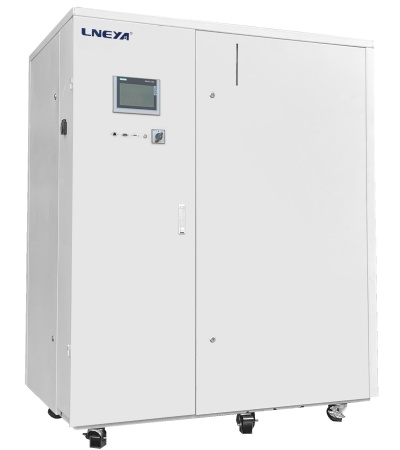
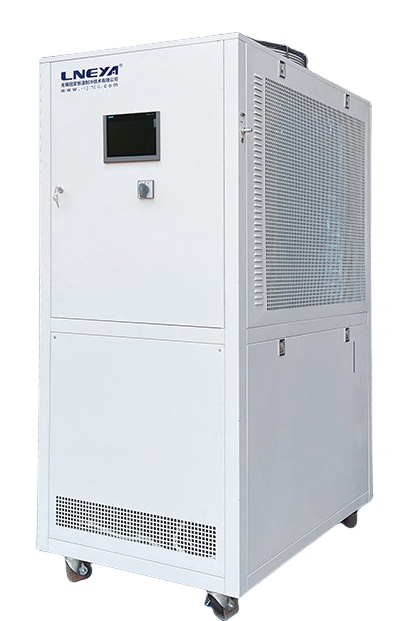
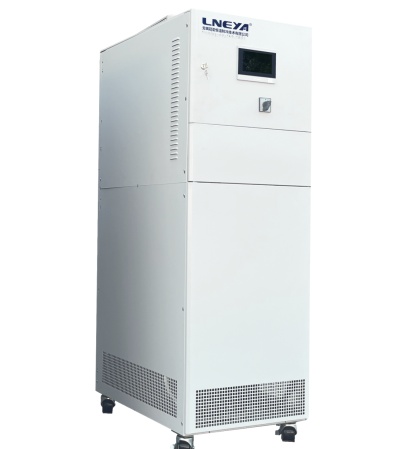
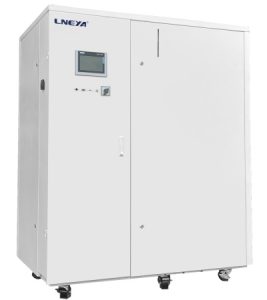
Introduction to Single Fluid Heating and Cooling Systems
Single fluid heating and cooling systems (SFHC) are engineered solutions that use a single medium to manage temperature control in a variety of applications. These systems provide both heating and cooling capabilities, offering precise temperature regulation and energy efficiency. They are an ideal solution to overcome limitations associated with traditional multi-fluid systems, which often face challenges such as leakage, complexity, and energy inefficiency.
Advantages of Single Fluid Systems
The advantages of single fluid heating and cooling systems include:
Precision Temperature Control: These systems offer accurate temperature regulation, which is critical for sensitive processes. Energy Efficiency: By using a single fluid, energy losses are minimized, and the system operates more efficiently. Simplicity: Single fluid systems are less complex than multi-fluid systems, reducing the potential for leaks and maintenance issues. Versatility: They can be used in a wide range of applications, from industrial processes to data center cooling. Technical Aspects of Single Fluid Systems
Technical features of single fluid cooling systems include:
Wide Temperature Range: Some fluids, like Syltherm XLT, can operate from -100°C to 260°C, making them suitable for various process heating and cooling needs. Rapid Heating or Cooling: These systems can reduce batch times by providing rapid temperature changes. No Leakage at Process Area: This feature helps maintain process integrity and safety. Applications of Single Fluid Systems
Single fluid heating and cooling systems are used in diverse applications:
Data Centers: They effectively manage the heat density of data centers, which is increasing due to miniaturization and integration of electronic devices. Immersion cooling methods using single fluid systems show great potential in this area. Industrial Processes: These systems provide precise and reliable cooling for a range of industrial applications, enhancing process efficiency and product quality.
Pharmaceutical Industry: Single fluid systems are used for temperature control in pharmaceutical processes, where precise temperature management is crucial. Conclusion
Single fluid heating and cooling systems offer a versatile and efficient approach to temperature control in various industries. Their ability to provide precise temperature regulation, energy efficiency, and reduced system complexity makes them an attractive option for modern industrial processes. As technology continues to advance, the application and optimization of single fluid systems are expected to grow, further enhancing their role in efficient temperature management solutions.
Coolant coolers are vital devices in maintaining optimal temperatures within various systems by dissipating heat from coolants. This article offers an in - depth exploration of coolant coolers. It first explains the fundamental working principles, which involve heat transfer mechanisms to reduce coolant temperatures. The key components, such as heat exchangers, fans, pumps, and control valves, are then described in detail, highlighting their functions. The wide - ranging applications across industries like automotive, manufacturing, and power generation are explored, emphasizing how coolant coolers enhance system performance and reliability. Additionally, factors to consider when selecting coolant coolers, including cooling capacity, efficiency, and compatibility, are analyzed. By the end, readers will have a thorough understanding of coolant coolers, enabling them to make informed decisions regarding their implementation and maintenance.
A chiller log is a critical document that records the operation and maintenance of industrial water chillers. It tracks performance, aids in preventive maintenance, and facilitates the early detection of potential issues. This article discusses the importance of maintaining a chiller log, its components, and the benefits it provides in ensuring the reliability and efficiency of chiller systems.
A 5HP chiller, with a cooling capacity of around 3.7 kW, is a mid-scale cooling solution suitable for diverse applications. These chillers are engineered for reliability and efficiency, with applications in industries such as plastics, food processing, and pharmaceuticals. The article discusses the technical specifications, applications, efficiency, and market trends of 5HP chillers, providing a comprehensive understanding of these cooling systems.
Water chillers are essential for industrial and commercial applications, providing cooling solutions for processes such as distillation. This article discusses the types of water chillers, including air-cooled and water-cooled systems, and their applications in various industries. It also covers the importance of chiller efficiency, measured by kW/Ton, COP, EER, and IPLV/NPLV, and how these factors influence the selection and performance of chillers. The global market for chillers is growing, with a focus on energy efficiency and environmental impact, as highlighted by recent studies and industry reports.
 Industrial Chiller Heater Equipment Supplier-LNEYA