Understanding 5HP Chillers: Specifications, Applications, and Efficiency
Introduction to 5HP Chillers
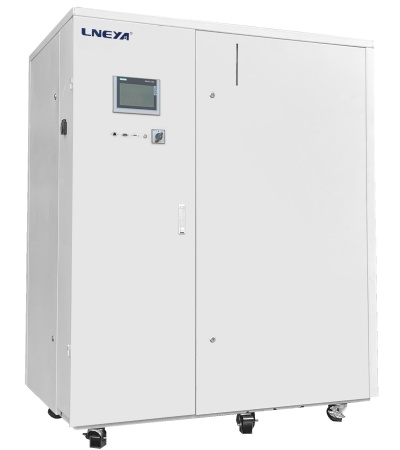
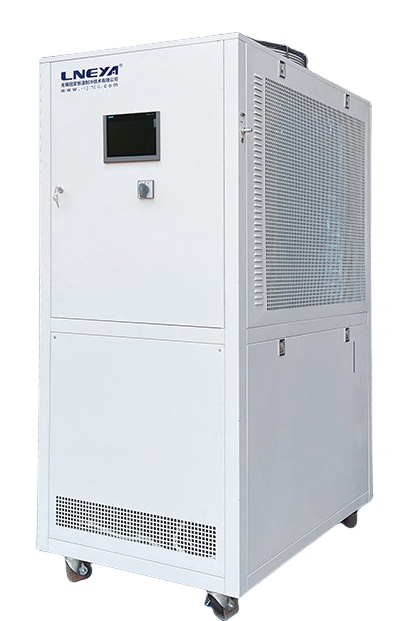
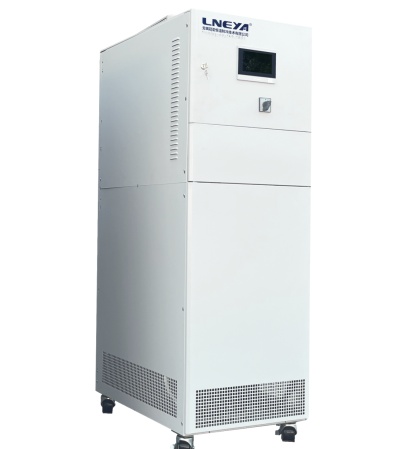
A 5HP chiller is a mid-scale cooling system that provides approximately 3.7 kW of cooling capacity, making it suitable for a variety of applications that require controlled cooling. These chillers are designed to offer reliable and efficient cooling performance.
Technical Specifications of 5HP Chillers
Cooling Capacity: A 5HP chiller has a cooling capacity of around 3.7 kW, which is equivalent to 15 kW or 5 tons of refrigeration. Compressor: These chillers often feature a single compressor with a power rating of 5HP. Voltage and Frequency: Standard voltage for 5HP chillers is typically 380V/50Hz, although variations may exist. Efficiency: The efficiency of a 5HP chiller can be measured by its Coefficient of Performance (COP), which indicates the ratio of cooling output to power input. Applications of 5HP Chillers
5HP chillers are widely used in various industries due to their mid-range cooling capacity:
Plastic and Rubber Machinery: These chillers are used to cool hydraulic oils and molds in plastic injection molding and rubber processing machines. Food and Beverage Processing: They maintain optimal temperatures for food processing equipment and refrigeration systems. Pharmaceutical Industry: Chillers are essential for cooling pharmaceutical equipment and maintaining the temperature of sensitive products. Industrial Processes: They are used in various other processes where precise temperature control is necessary. Efficiency and Performance of 5HP Chillers
The efficiency of a 5HP chiller is crucial for energy savings and optimal performance. Chiller efficiency can be enhanced by:
High-Efficiency Compressors: Using compressors with high COP values contributes to better energy efficiency. Advanced Controls: Smart controls and data analytics can optimize chiller performance and reduce energy consumption. Regular Maintenance: Proper maintenance ensures the chiller operates at peak efficiency and prolongs its service life. Market Trends for 5HP Chillers
The global chillers market, including 5HP chillers, is expected to grow at a CAGR of 4.5% over 2024-2030, driven by demand from various industries and the expansion of commercial construction. The market is also influenced by the need for IoT integration in chillers, leading to the development of smart, connected chillers that offer preventive maintenance and remote monitoring capabilities.
Conclusion
5HP chillers are an important component in many industrial and commercial cooling applications. Their versatility, combined with technological advancements in efficiency and connectivity, positions them as a reliable solution for controlled cooling needs. Understanding the technical specifications, applications, and market trends of 5HP chillers is essential for selecting the right chiller for specific cooling requirements.
This article comprehensively explores industrial process water chillers, essential for maintaining precise temperature control in diverse industrial processes. It begins by defining these chillers and highlighting their significance in ensuring product quality and process efficiency. The working principles, including the refrigeration cycle and heat transfer mechanisms, are detailed, along with key components such as compressors, condensers, and evaporators. Different types of industrial process water chillers, like air - cooled, water - cooled, and evaporative - cooled models, are introduced, emphasizing their unique features and applications. The article also covers their usage across industries such as manufacturing, chemical, and food processing. Additionally, it delves into crucial aspects of selection, installation, operation, and maintenance, offering a complete guide for industrial professionals to understand and utilize these chillers effectively.
This article comprehensively explores temperature baths, devices crucial for maintaining stable temperatures. It first defines temperature baths and elaborates on their working principles, including heat transfer mechanisms. Different types of temperature baths, such as water, oil, sand, and metal baths, are introduced, highlighting their unique features, advantages, limitations, and suitable applications. Key performance indicators like temperature range, stability, and accuracy are analyzed, along with maintenance requirements. The article also touches upon troubleshooting common issues and future trends in temperature bath technology, offering a holistic understanding for readers.
A heat transfer oil system is a crucial setup for industrial heating. This article offers a full - scale exploration. It first defines the system and its function in transferring heat efficiently. The working principle, which involves heating the oil and circulating it to transfer heat, is explained. Key components like heaters, pumps, and heat exchangers are described. Different types, such as open - loop and closed - loop systems, are introduced. Their applications in various industries like chemical, food, and manufacturing are detailed. The advantages, including high - temperature operation, energy - efficiency, and stable heat transfer, are elaborated. Additionally, factors for choosing the right system, such as temperature requirements, heating capacity, and oil compatibility, are presented.
Packaged chiller units are pre-assembled air- or water-cooled systems designed for efficient temperature control in commercial and industrial applications. They offer ease of installation, flexibility in operation, and energy efficiency. These units come with various compressor types, such as scroll, digital scroll, semi-hermetic, and screw, and are available in single or dual circuit configurations. The market for packaged chiller units is driven by factors like growing adoption of district heating and cooling infrastructure and the need for energy-efficient HVAC solutions. Key players in the industry include Trane, Johnson Controls - Hitachi, Carrier, and Mitsubishi, among others, with the global market size projected to reach USD 9770.4 million by 2030.
 Industrial Chiller Heater Equipment Supplier-LNEYA