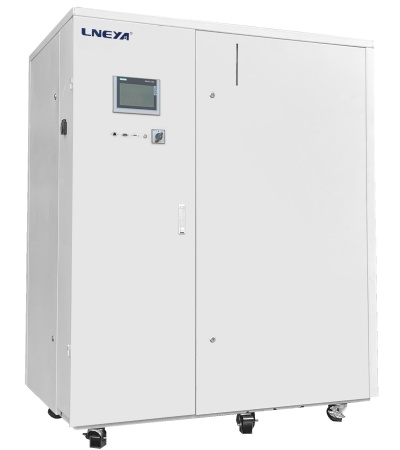
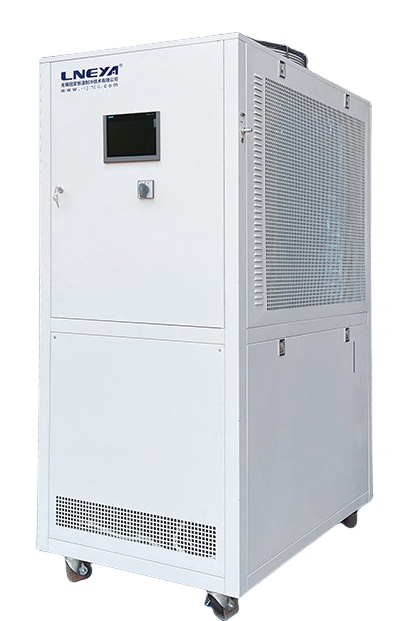
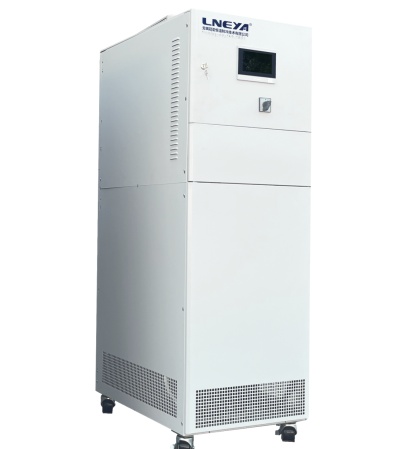
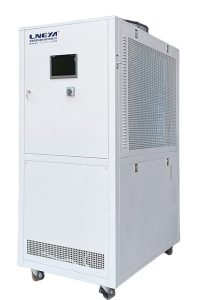
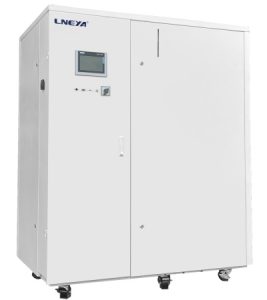
Introduction to 150 Ton Air Cooled Chillers A 150-ton air-cooled chiller is a high-capacity cooling system capable of removing 1,800,000 BTU/h, making it suitable for large-scale cooling applications. These chillers are designed to provide efficient and reliable cooling in various industrial and commercial settings.
Key Features of 150 Ton Air Cooled Chillers The key features of a 150-ton air-cooled chiller include:
High Cooling Capacity: With the ability to remove up to 150 tons of heat, these chillers are suitable for large facilities. Efficiency: Modern air-cooled chillers offer high efficiency with low noise levels, featuring a wide operating map to meet various requirements. Customizable Solutions: They are available in various configurations to cater to different project needs, including environmental considerations. Low-GWP Refrigerants: Many models use environmentally friendly refrigerants such as R-454B or R-513A, aligning with sustainability goals. Advanced Controls: Chillers are equipped with advanced control systems like the Symbio® 800 unit controller for optimal performance.
Applications of 150 Ton Air Cooled Chillers These chillers find applications in a variety of sectors:
Commercial Buildings: They are used in office buildings, shopping malls, and hospitals for maintaining optimal indoor temperatures. Industrial Processes: They provide process cooling in manufacturing plants, chemical processing facilities, and data centers. Data Centers: They ensure the optimal operating conditions for servers and IT equipment. Efficiency and Market Trends The efficiency of air-cooled chillers is a critical factor, with advancements in technology leading to more energy-efficient models. The market for air-cooled chillers is expected to grow due to increasing demand for central air conditioning systems in urban households and the trend towards smart homes. Additionally, the need for efficient cooling solutions in residential buildings is becoming more pronounced as urbanization continues to rise.
Industry Analysis The industry analysis highlights the diverse cooling requirements across various applications and industries. Each capacity range offers specific advantages, catering to different cooling needs. The market dynamics within this segment are influenced by factors such as cost, efficiency, capacity, and technological advancements. The continuous improvement in chiller technologies and the development of innovative products are expected to drive the growth of all capacity ranges in the coming years.
Conclusion 150-ton air-cooled chillers are essential for large-scale cooling applications in various industries. Their high efficiency, environmental sustainability, and advanced features make them a preferred choice for precise temperature control. As technology advances, these chillers continue to evolve, offering greater efficiency and environmental sustainability in cooling applications.
A water chiller controller is a critical component in water chiller systems, responsible for regulating and optimizing the performance of the chiller. It monitors and controls parameters such as temperature, pressure, flow rate, and compressor operation to ensure efficient and reliable cooling. Water chiller controllers are used in various applications, including HVAC systems, industrial processes, and medical equipment. Key features include programmable settings, real-time monitoring, and energy-saving modes. This article explores the working principles, types, applications, advantages, and considerations for selecting a water chiller controller, providing a comprehensive guide for users seeking reliable and efficient chiller control solutions.
Glycol chiller systems utilize a mixture of water and glycol as a coolant to control and maintain temperatures in various industrial and commercial applications. Known for their freezing point depression, antifreeze properties, and efficient heat transfer, these systems are particularly suited for cold environments and processes requiring precise temperature control. They are employed in HVAC systems, process cooling, data centers, and the food and beverage industry, among others. This article delves into the science behind glycol chiller systems, their advantages, safety considerations, and applications, providing a comprehensive understanding of their importance in temperature regulation.
Temperature control heating and cooling systems are essential in maintaining optimal conditions for various applications. These systems regulate environments by either adding or removing heat as required, using direct or indirect methods. They are crucial in industries such as healthcare, food processing, and manufacturing, where precise temperature control is vital. The article explores the principles, components, and types of temperature control systems, their applications, and the importance of energy efficiency and precision in these technologies.
Adiabatic chillers are energy-efficient cooling systems that utilize the evaporation of water to pre-cool air entering the system, reducing the load on mechanical cooling components. They are increasingly preferred for their environmental benefits and cost savings, with applications in data centers, industrial processes, and HVAC systems. The global market for adiabatic chillers is growing, driven by advancements in heat exchanger technology and the need for sustainable cooling solutions.
 Industrial Chiller Heater Equipment Supplier-LNEYA