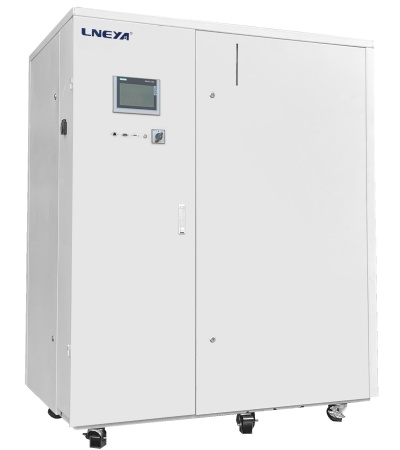
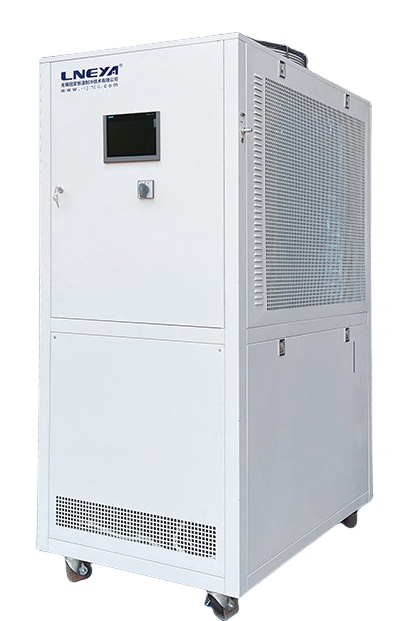
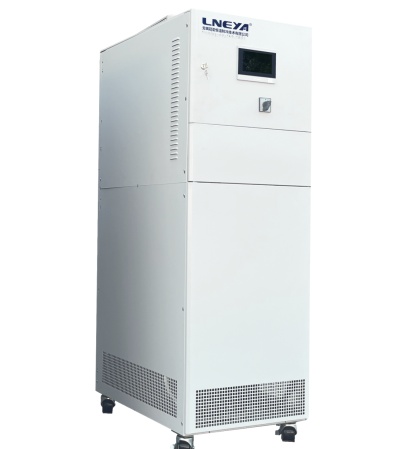
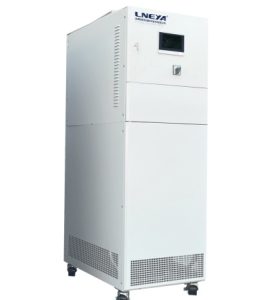
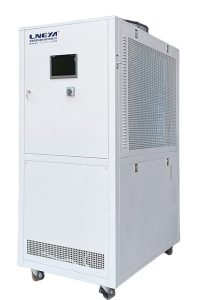
Introduction to 100 Ton Water Cooled Chillers A 100 ton water cooled chiller is a robust industrial cooling solution that offers a cooling capacity of up to 1,200,000 BTU/h, equivalent to removing 100 tons of heat. These chillers are designed to operate in environments where large-scale cooling is necessary, such as chemical plants, manufacturing facilities, and medical facilities like laboratories and cleanrooms.
Specifications and Features The specifications of a 100 ton water cooled chiller include:
Cooling Capacity: Capable of handling broad cooling loads, typically observed in large industrial settings. Efficiency: With industry-leading full-load efficiency of 0.50 kilowatts per ton (kW/ton) and part-load efficiency of 0.30 kW/ton, these chillers are up to 40% more efficient than standard models. Refrigerants: Many manufacturers are developing chillers that use low Global Warming Potential (GWP) refrigerants, such as HFOs or natural refrigerants like CO2, aligning with environmental sustainability. Intelligent Controls: Chiller systems are becoming more intelligent with advancements in technology, featuring energy efficiency, expandability, compact design, low environmental impact, and wireless technology. Applications of 100 Ton Water Cooled Chillers The applications of 100 ton water cooled chillers span across various industries:
Industrial Processes: They play a vital role in managing and controlling temperatures for processes and equipment, ensuring optimal conditions for production. Commercial Buildings: They provide essential cooling effects in commercial buildings by counterbalancing heat from internal and external sources. Data Centers: Recent advancements in thermal management technologies for cooling data centers include the use of high-efficiency water cooled chillers. Efficiency and Environmental Impact Efficiency is a critical factor in the selection of 100 ton water cooled chillers. Energy savings of almost 50% can be achieved by replacing inefficient chiller systems with energy-efficient water cooled chillers. Additionally, the adoption of eco-friendly refrigerants and the integration of smart controls and IoT technology are current trends in the water chillers market, reducing environmental impact.
Safety Guidelines and Industry Standards Safety guidelines for operating 100 ton water cooled chillers include adherence to industry standards and best practices for maintenance and operation. Chillers must comply with minimum energy performance standards (MEPS) and other regulations, promoting energy efficiency and reducing environmental impact.
Market Trends The market for water cooled chillers is characterized by a high degree of product innovation and end-user concentration, with a significant number of commercial and industrial facilities requiring chillers. The demand for air-cooled chillers is expected to surge worldwide due to their smooth operations at extremely low temperatures and the increasing water scarcity across the world.
Conclusion 100 ton water cooled chillers are indispensable in industrial and commercial settings requiring large-scale cooling. Their high efficiency, environmental sustainability, and advanced features make them a preferred choice for various applications. As technology advances, these chillers continue to evolve, offering greater efficiency and environmental sustainability in cooling applications.
Industrial water cooler manufacturers play a pivotal role in providing cooling solutions for various sectors, including manufacturing, chemicals, and HVAC systems. This article discusses the key players in the global market, the types of industrial water coolers they produce, and their applications. It also covers the market trends, technological advancements, and the competitive landscape within the industry. The article aims to offer a comprehensive overview of the industrial water cooler manufacturing sector, highlighting the importance of these manufacturers in global temperature control solutions.
Packaged chiller units are self-contained cooling systems designed to provide efficient and reliable temperature control for various applications, including HVAC, industrial processes, and commercial buildings. These units integrate all essential components, such as compressors, condensers, and evaporators, into a single system, making them easy to install and maintain. This article provides an in-depth overview of packaged chiller units, covering their working principles, types, components, applications, benefits, and maintenance tips. Whether you're exploring how these systems operate or considering one for your cooling needs, this guide offers essential insights to help you make informed decisions.
Industrial water chiller machines are crucial for maintaining optimal temperatures in various industrial processes. They operate on the principle of vapor compression refrigeration, using components like compressors, condensers, and evaporators to transfer heat and cool water circulated through the system. This article discusses the working principles, types, applications, and factors influencing the efficiency and selection of industrial water chiller machines. It also highlights the importance of energy efficiency and the integration of renewable energy sources in modern chiller systems.
Chillers in Australia are essential for a wide range of applications, from industrial processes to commercial HVAC systems. The market is driven by the need for energy efficiency, eco-friendly operation, and compliance with environmental regulations. This article discusses the technology, applications, market trends, and the impact of environmental regulations on chillers in Australia, highlighting the importance of sustainable cooling solutions.
 Industrial Chiller Heater Equipment Supplier-LNEYA