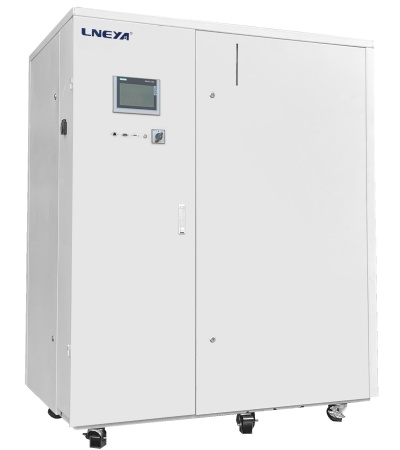
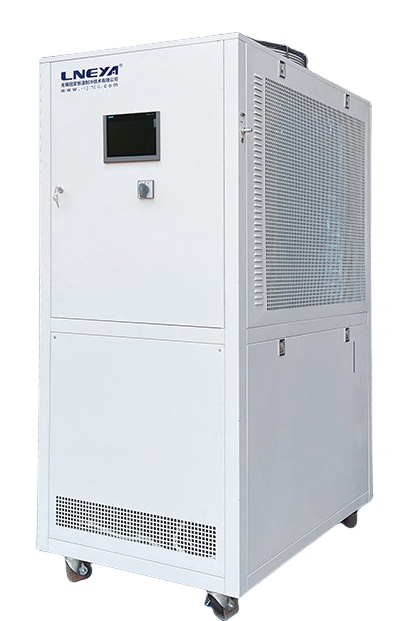
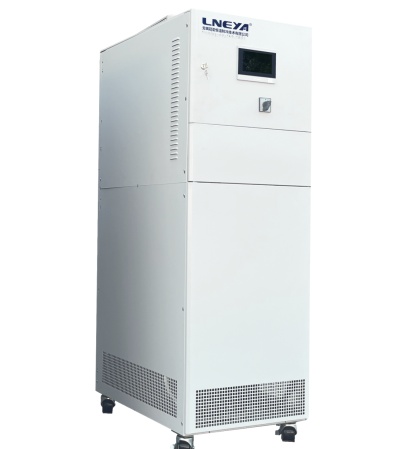
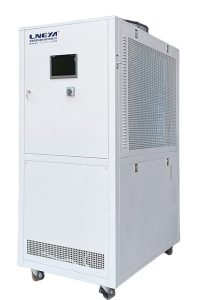
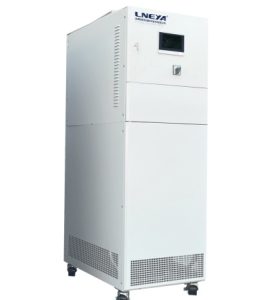
Introduction to 100 Ton Water Chillers A 100 ton water chiller is an industrial cooling system designed to remove a significant amount of heat, equivalent to 1,200,000 BTU/h. These chillers are crucial for applications that require large-scale cooling, such as in manufacturing plants, commercial buildings, and other industrial processes.
Specifications and Features 100 ton water chillers come with various specifications and features that cater to different cooling needs:
Cooling Capacity: With a capacity to remove 1,200,000 BTU/h, these chillers are suitable for large-scale industrial cooling needs. Configurations: They are available in both water-cooled and air-cooled models, each with its own advantages and applications. PLC Control Systems: Advanced PLC systems maintain stable and reliable operation of the chiller, ensuring efficient cooling performance. Evaporators: Stainless steel brazed plate evaporators provide efficient heat transfer and are corrosion-resistant, enhancing the chiller’s longevity. Direct-Drive Systems: Some models feature direct-drive systems for efficient operation and reduced maintenance. Applications of 100 Ton Water Chillers
These chillers find applications in a variety of industries and settings:
Industrial Processes: They are used for process cooling in various industries, providing the necessary temperature control for chemical reactions, plastic molding, and other processes. Building Cooling: In commercial buildings and warehouses, 100 ton chillers provide cooling for HVAC systems, ensuring comfortable indoor environments. Emergency or Supplemental Cooling: They are also used as an emergency or supplemental solution in multiple applications, providing a reliable backup for cooling needs. Efficiency and Safety Guidelines Efficiency and safety are paramount when it comes to operating 100 ton water chillers:
Energy Efficiency: High-efficiency chillers can achieve real-world efficiencies as low as 0.15 kW/ton (23.4 COP), making them cost-effective and environmentally friendly.
Safety Guidelines: Operators should follow manufacturer guidelines for operation and maintenance, ensuring the chiller is grounded to prevent electrical shocks and adhering to industry standards. Industry Standards and Compliance 100 ton water chillers are designed to meet various industry standards and compliance requirements:
AHRI Certification: Many chillers are certified by the Air-Conditioning, Heating, and Refrigeration Institute (AHRI), ensuring performance and reliability. Energy Efficiency Regulations: Chillers must comply with minimum energy performance standards (MEPS) and other regulations, promoting energy efficiency and reducing environmental impact. Conclusion 100 ton water chillers are essential for large-scale cooling applications in various industries. Their high cooling capacity, advanced features, and compliance with industry standards make them a preferred choice for efficient and reliable cooling solutions. As technology advances, these chillers continue to evolve, offering greater efficiency and environmental sustainability in industrial cooling applications.
A water bath circulator is a versatile temperature - controlling device widely used in laboratories and industrial settings. Comprising a water - filled chamber, a heating element, a pump, and a temperature control system, it operates by heating and circulating water to maintain a stable temperature. This equipment finds applications in biology, chemistry, and material science, facilitating processes like enzyme reactions, chemical synthesis, and material testing. Its key features include precise temperature regulation, uniform heat distribution, and gentle heating, making it suitable for temperature - sensitive substances. However, proper installation, regular maintenance, and adherence to safety guidelines are essential for optimal performance and safe operation.
Thermal oil systems are crucial for transferring and controlling heat in diverse industrial processes. These systems consist of a thermal oil, a heater, pumps, heat exchangers, and associated piping. The thermal oil, a specialized heat - transfer fluid, circulates through the system, absorbing heat from the heater and releasing it at the point of use via heat exchangers. They find applications in sectors such as food and beverage, plastics, and chemical industries for processes like drying, heating reactors, and extrusion. Their advantages include high - temperature operation with low vapor pressure, efficient heat transfer, and flexibility in system design. However, proper selection of thermal oil, regular maintenance, and safety precautions are essential to ensure optimal performance and avoid risks.
Cryogenic recirculating chillers are advanced refrigeration systems designed to provide precise temperature control at extremely low temperatures. These chillers are crucial in scientific research, industrial processes, and medical applications where maintaining temperatures below ambient is essential. The article discusses the technology, applications, safety guidelines, and environmental impact of cryogenic recirculating chillers, offering a comprehensive understanding of their role in various low temperature applications.
Malaysia's industrial water chiller market is witnessing growth due to the need for efficient temperature control in industries such as manufacturing, pharmaceuticals, and food processing. Companies like Amcon and TCW Group are leading the market with a range of chillers designed for optimal cooling efficiency and sustainability. The market is also moving towards more sustainable and energy-efficient technologies, with a focus on low Global Warming Potential (GWP) refrigerants and the integration of renewable energy sources in chiller systems。
 Industrial Chiller Heater Equipment Supplier-LNEYA