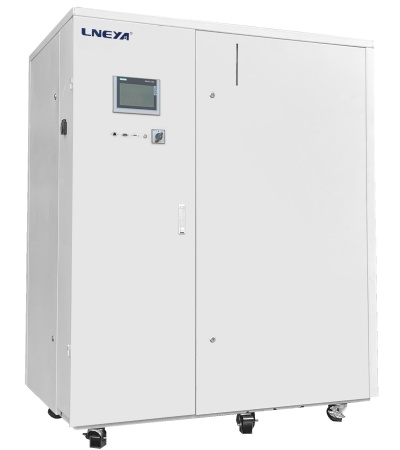
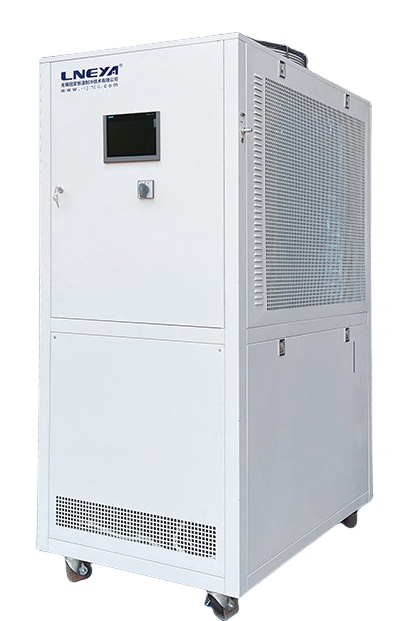
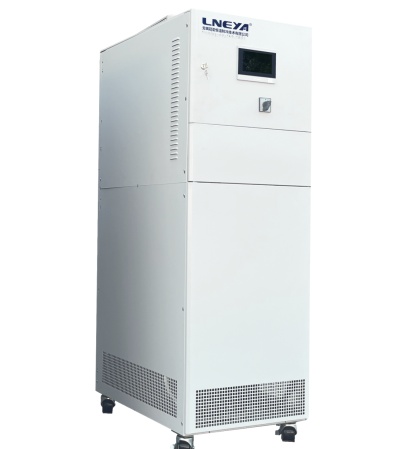
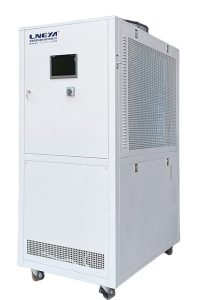
Portable chiller manufacturers are at the forefront of providing flexible and efficient cooling solutions for a wide range of industries. These manufacturers offer a variety of portable chillers, including air-cooled, water-cooled, and glycol chillers, which are used in applications such as plastic processing, laser technology, and medical equipment cooling.
OEM and ODM Services
Many portable chiller manufacturers offer OEM (Original Equipment Manufacturer) and ODM (Original Design Manufacturer) services, allowing for customization and the production of chiller systems tailored to specific customer requirements. This flexibility enables manufacturers to meet the unique needs of various industries and applications.
Industry Certifications
Quality assurance is a critical aspect of the portable chiller manufacturing industry. Many manufacturers hold industry certifications such as ISO 9001, which ensures that their products meet international quality standards. These certifications are essential for customers who require reliable and high-performance chiller systems.
Market Trends and Applications
The market for portable chillers is expected to grow due to the increasing demand for energy-efficient and environmentally sustainable products. Portable chillers are used in a variety of applications, including HVAC systems, industrial processes, and medical equipment cooling. The versatility of these chillers makes them suitable for both commercial and industrial settings.
Conclusion
Portable chiller manufacturers play a crucial role in providing mobile cooling solutions for industries worldwide. With a focus on innovation, quality, and customization, these manufacturers offer a wide range of products to meet the diverse needs of various sectors. As the market continues to evolve, the importance of portable chillers in temperature control applications will only grow, making it essential for industries to select the right manufacturer based on their specific requirements.
"Cool the heat" refers to the process of managing and reducing excessive heat in various environments to maintain optimal conditions. This can involve using cooling systems like air conditioning, refrigeration, or heat exchangers. Effective heat management is crucial in industries, data centers, and living spaces to ensure efficiency and comfort. The article discusses the importance of cooling heat, the methods used, and the technologies involved in various applications.
A lab temperature controller is an essential tool in scientific research and various laboratory applications where precise temperature control is required. These controllers are used for heating laboratory apparatus, gas tubing, and providing temporary heat for valves. They offer accuracy within ±0.6% and operate within a wide temperature range, from 0°C to 50°C. Advanced models include features like audible and visual alarms, LCD displays, and wall mounting options. The technology behind these controllers involves feedback control systems, with some labs using Arduino for model identification and controller development. Applications extend to dynamic modeling, system dynamics, and PID control tuning.
The concept of 'cool heat' refers to the balance between cooling and heating systems to achieve thermal comfort and energy efficiency. This article delves into the principles of thermodynamics that govern these systems, the role of heat pumps in providing both heating and cooling, and the importance of smart controls for optimizing energy use. It also discusses the impact of these systems on the environment and the latest advancements in technology that contribute to sustainable living and working spaces.
High pressure steam systems are integral to various industrial processes, providing the necessary thermal energy for operations such as process heating, power generation, and heat treatment. These systems involve the generation, distribution, and utilization of steam at pressures exceeding the standard atmospheric pressure. The article discusses the design, components, operational principles, and applications of high pressure steam systems, highlighting their efficiency and the safety measures required for their use.
 Industrial Chiller Heater Equipment Supplier-LNEYA