Process Coolers: Types, Applications, and Technological Advancements
Introduction to Process Coolers Process coolers are vital components in industrial settings, where they help manage heat loads generated during various processes. They are used to cool equipment and processes, ensuring that temperatures remain within optimal ranges for efficiency, safety, and product quality.
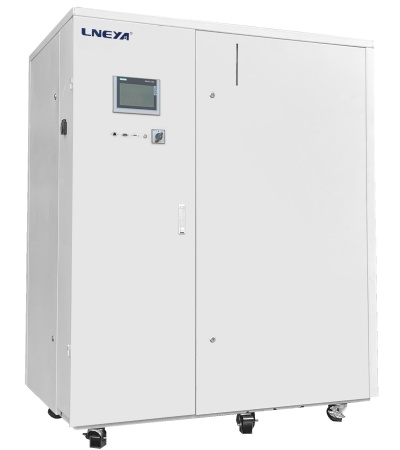
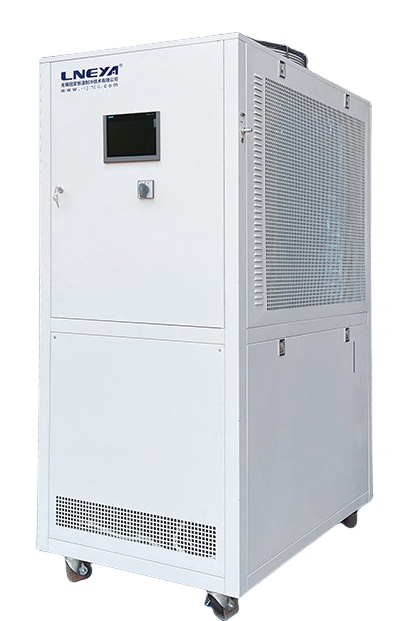
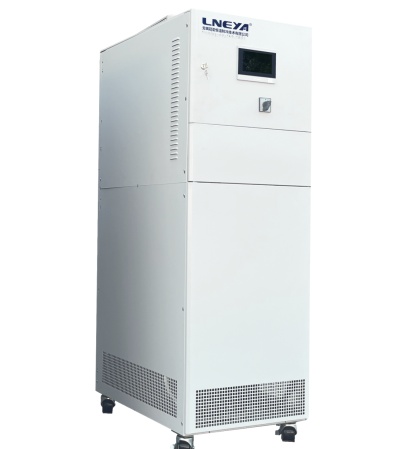
Types of Process Coolers Process coolers can be categorized based on their cooling methods:
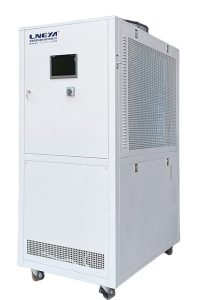
Air-Cooled Chillers: These chillers use ambient air to remove heat, eliminating the need for a cooling tower. They are compact and easier to install, though they may perform less efficiently in regions with high ambient temperatures.
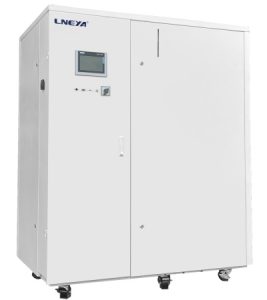
Water-Cooled Chillers: These deliver superior cooling efficiency by using water from a cooling tower to dissipate heat. They are best suited for larger industrial applications with high cooling demands and offer long-term energy savings and enhanced performance.
Applications of Process Coolers Process coolers are utilized in a wide range of industries and applications:
Manufacturing: They are crucial in sectors like plastics, metal finishing, and machine tooling, where they cool molds in plastic injection molding and maintain stable temperatures in chemical reactions. Food and Beverage: Chillers are essential for keeping ingredients at set temperatures, preserving product quality, preventing spoilage, and achieving temperature-controlled storage. Pharmaceuticals: They maintain specific temperature conditions for drug manufacturing and storage, ensuring product efficacy and safety. Latest Technology Trends in Process Cooling
The latest trends in process cooler technology focus on enhancing energy efficiency and reducing environmental impact:
Energy Efficiency Measures: Process cooling systems can be optimized for energy efficiency through measures such as improving insulation, using variable speed drives for pumps and fans, and implementing heat recovery systems. Environmental Impact: There is a growing focus on the environmental impact of process cooling systems, with an emphasis on reducing water and energy consumption and minimizing the use of harmful refrigerants. Conclusion Process coolers play a critical role in industrial processes by providing precise temperature control. With advancements in technology, there is a shift towards more energy-efficient and environmentally sustainable cooling solutions. Regular maintenance and the adoption of innovative technologies ensure that process coolers operate at peak performance, contributing to the overall productivity and sustainability of industrial operations.
An air-cooled chiller plant is a critical component of HVAC systems, particularly where water resources are scarce. It operates on the principle of vapor compression refrigeration, using air to dissipate heat from the condenser. This article discusses the working principles, types, applications, and efficiency considerations of air-cooled chiller plants. It also explores the market trends and the importance of energy optimization in these systems, providing a comprehensive overview for industry professionals.
A hydraulic oil chiller is a crucial component in hydraulic systems that helps maintain a stable operating temperature by dissipating excess heat. These chillers are available in water-cooled and air-cooled designs, with the former offering higher heat transfer efficiency. The selection and sizing of a hydraulic oil chiller depend on factors such as heat load, permissible oil and coolant temperatures, and pressure loss. The market for hydraulic oil chillers is expected to grow due to increasing demand from various industries, including chemical processing and power generation.
Industrial water chillers in Australia are crucial for various sectors, including manufacturing, food processing, and HVAC systems. They offer precise temperature control and reliability, with features like inverter compressor technology and plate heat exchangers. Australian companies like IRS, Aqua Cooler, and Fleming provide world-class chillers designed for local conditions. The market is influenced by construction growth, data center expansion, and infrastructure development. This article discusses the importance, applications, and market trends of industrial water chillers in Australia.
Industrial glycol chiller systems are crucial for temperature regulation in various sectors. This summary details the operation, benefits, and types of glycol chillers, emphasizing their role in maintaining low temperatures and preventing corrosion. It also outlines the two primary glycols used—ethylene and propylene—and their applications in industries such as food processing and HVAC. The article further discusses the market trends and the importance of selecting the appropriate glycol chiller system for specific industrial needs.
 Industrial Chiller Heater Equipment Supplier-LNEYA