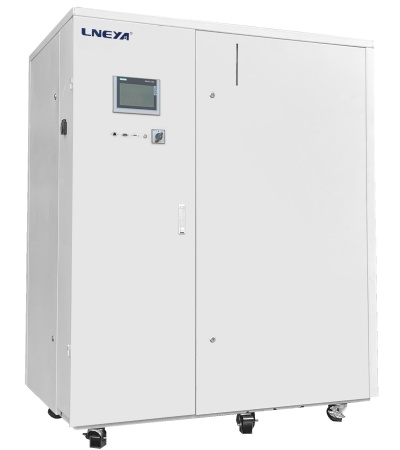
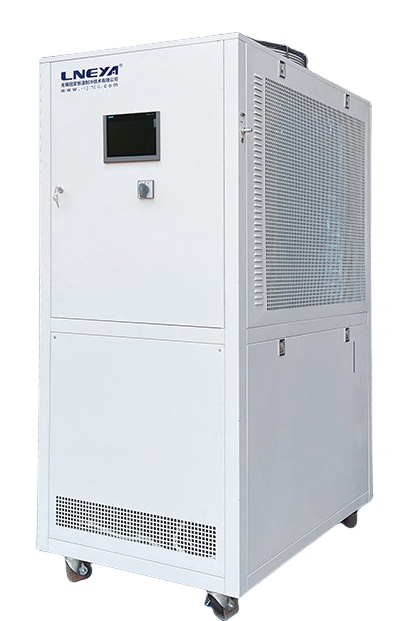
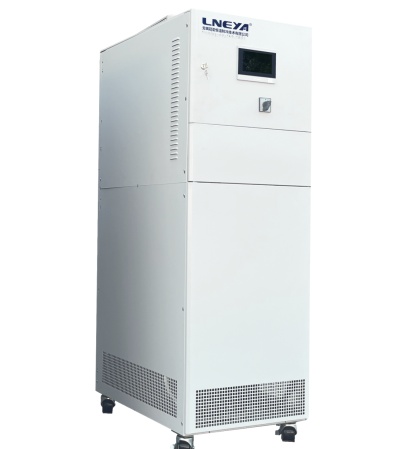
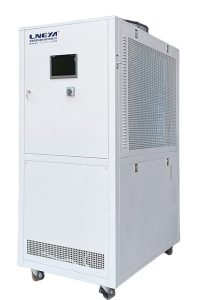
A glycol chiller system is a type of cooling system that uses glycol, an organic compound from the alcohol family, as a coolant to control and maintain temperatures in various applications. Glycol is miscible with water and is known for its ability to lower the freezing point of water and enhance heat transfer properties.
Why Glycol is Used for Cooling
Glycol is used in cooling systems for several reasons:
Freezing Point Depression: By adding glycol to water, the mixture’s freezing point is lowered, allowing the system to operate at temperatures below the freezing point of water without the risk of the coolant freezing. Antifreeze Properties: Glycol acts as an antifreeze, preventing the cooling system from freezing in cold weather, which is crucial for year-round operation of equipment. Heat Transfer: Glycol has excellent heat transfer properties, efficiently absorbing and dissipating heat, making it suitable for cooling applications. Corrosion Inhibition: Glycol helps protect the components of the cooling system from rust and corrosion, extending the life of the system and reducing maintenance needs. Biodegradability and Safety: Propylene glycol, often preferred over ethylene glycol for safety and environmental reasons, is less toxic and biodegradable.
How Do Glycol Chiller Systems Work?
A glycol chiller system operates by circulating a glycol-water mixture through a closed-loop system. The mixture absorbs heat from the equipment or process that needs cooling and returns to the chiller to be cooled back to the desired temperature. The system maintains the glycol mixture at the desired temperature by adjusting the cooling capacity of the chiller and the flow rate of the glycol mixture.
Applications of Glycol Chiller Systems
Glycol chiller systems are employed in a variety of applications:
HVAC Systems: They control the temperature of air to maintain a comfortable environment in buildings. Process Cooling: Industries such as food and beverage, pharmaceuticals, and manufacturing use glycol chiller systems to maintain specific temperatures during various manufacturing processes. Data Centers: They rely on glycol chiller systems to dissipate heat generated by servers and electronic equipment. Beverage and Food Industry: Glycol is used to cool beverages and food products during production and storage. Safety and Industry Standards
Glycol chiller systems are equipped with safety features and monitoring systems to ensure reliable operation. This includes temperature sensors, pressure controls, and alarms to detect any anomalies. Ethylene glycol and propylene glycol are the two common types of glycol used, with propylene glycol being preferred in systems where safety and environmental concerns are significant due to its lower toxicity.
Conclusion
Glycol chiller systems are essential in providing temperature control in a wide range of industrial and commercial applications. Their ability to operate efficiently in cold environments and their precise temperature control capabilities make them a valuable asset in various industries. Understanding the science behind glycol chiller systems, their advantages, and safety considerations is crucial for implementing these systems effectively. As technology advances, glycol chiller systems continue to evolve, offering improved efficiency and environmental sustainability.
Portable chiller units are mobile cooling systems designed for various applications requiring precise temperature control. This article covers the definition, types, components, and operation of portable chiller units. It explores their applications in industries like plastics, pharmaceuticals, and food and beverage, as well as their energy efficiency and market trends. The summary also touches on safety features and the importance of selecting the right unit for specific needs.
The price of a 2-ton chiller (24,000 BTU/hr capacity) typically ranges from $2,000 to $10,000, depending on several key factors:
Chiller Type:
Air-cooled chillers ($2,000-$5,500) - lower upfront cost, easier installation
Water-cooled models ($4,000-$10,000) - higher efficiency but require cooling towers
Efficiency Levels:
Standard efficiency (SEER 12-14): $2,000-$4,500
High efficiency (SEER 16+): $3,500-$7,000
Premium inverter models: $5,000-$10,000
Brand Quality:
Budget brands start around $2,000
Premium brands (Trane, Carrier) range $5,000-$10,000
Additional costs include installation ($800-$2,500), optional features, and annual maintenance ($250-$600). For accurate pricing, obtain multiple quotes based on your specific cooling requirements.
A water chiller package is an integrated cooling solution. This article comprehensively explains it. It first defines what a water chiller package is, highlighting its pre - assembled and compact nature. The working principle, based on the vapor - compression or absorption refrigeration cycle, is detailed. Key components such as compressors, condensers, evaporators, and controls are described. Different types, including air - cooled and water - cooled packages, are introduced. Their applications in commercial buildings, industrial processes, and data centers are presented. The advantages, like easy installation, space - saving, and reliable performance, are elaborated. Finally, factors to consider when choosing a water chiller package, such as cooling capacity, energy efficiency, and maintenance requirements, are provided.
Testing temperature is a critical process across various industries to ensure product quality, safety, and performance. This involves using temperature measurement instruments such as thermometers, thermocouples, and infrared sensors. The article discusses different methods and tools for temperature testing, calibration, and the importance of accurate temperature measurement in applications like food safety, industrial processes, and climate monitoring.
 Industrial Chiller Heater Equipment Supplier-LNEYA