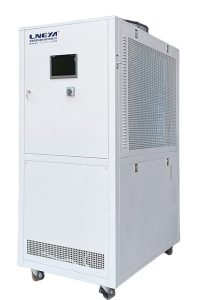
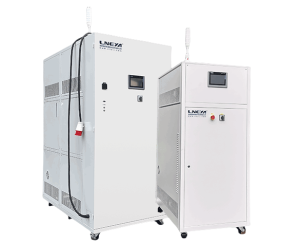
Industrial Refrigeration UK: Market Dynamics and Service Excellence
The industrial refrigeration market in the United Kingdom plays a pivotal role in ensuring the smooth operation of industries that require precise temperature control. This includes a wide range of sectors such as manufacturing, pharmaceuticals, food processing, and more. The market is currently experiencing growth due to several key factors, including the increasing need for energy-efficient cooling solutions, advancements in chiller technology, and regulatory pressures to reduce carbon emissions and improve energy performance.
Market Drivers and Challenges
The demand for efficient cooling solutions in various industries is a major driver for the UK chillers market. The need to maintain optimal temperatures in industrial processes and storage facilities is propelling the demand for advanced chiller systems. The rising focus on energy efficiency and sustainability is leading to the adoption of chillers with environmentally friendly refrigerants and energy-saving technologies. Additionally, the growth in the construction of commercial buildings and infrastructure projects is boosting the market for HVAC systems, including chillers.
However, the market is not without its challenges. Stringent energy efficiency regulations require manufacturers to invest in advanced technologies to develop more energy-efficient products, which can increase production costs and necessitate ongoing research and development efforts. The market is also highly competitive, with numerous international and local players, leading to pricing pressures and the need for continuous innovation. Volatility in raw material prices can impact the cost of production and profitability, and the market is influenced by economic conditions and construction activity levels.
Government Policies and Sustainability
The UK government’s policies impacting the chillers market are centered around energy efficiency and environmental sustainability. Regulations such as the Energy Performance of Buildings Directive (EPBD) and the F-Gas Regulation promote the use of energy-efficient chillers and the reduction of greenhouse gas emissions from refrigerants. These policies drive the adoption of advanced, eco-friendly chiller technologies.
Key Players and Service Offerings
Industrial Cooling Equipment Ltd is a specialist in refrigeration and air conditioning in the UK and overseas since 1935. They offer a comprehensive range of services for refrigeration, air conditioning, process cooling, and ventilation equipment. Their expertise lies in the design, supply, installation, service, and maintenance of commercial and industrial refrigeration systems. They pride themselves on their flexibility and rapid response times to critical service calls and breakdowns.
Their process cooling solutions range from packaged water chillers and free cooling dry coolers to DX (direct expansion) systems. They can handle any process cooling project, offering complete turnkey solutions. ICE Ltd also provides a range of ventilation services, from small extraction hoods to large air handling units and heat recovery systems.
Conclusion
The industrial refrigeration market in the UK is a vital sector that is growing due to the increasing demand for energy-efficient and sustainable cooling solutions. Companies like Industrial Cooling Equipment Ltd are at the forefront of this market, offering comprehensive services that cater to the specific needs of various industries. As the market continues to evolve under the influence of government policies and technological advancements, the focus on sustainability and energy efficiency is expected to remain a key driver for the industrial refrigeration market in the UK.
Process temperature controllers are vital devices in numerous industries for maintaining precise temperatures. This article begins by defining what they are and how they function, typically through sensors, controllers, and actuators in a feedback loop. It then delves into different types, such as proportional - integral - derivative (PID) controllers and on - off controllers, highlighting their characteristics. The wide - ranging applications across industries like manufacturing, food and beverage, and pharmaceuticals are explored, emphasizing their role in ensuring product quality and process efficiency. Maintenance requirements and the importance of proper calibration are also covered, offering readers a complete understanding.
A laboratory thermostatic bath, also known as a constant temperature water bath, is an essential piece of equipment in scientific research and analysis. This article provides a comprehensive overview of what a laboratory thermostatic bath is, its applications, types, and how it works. It also discusses the factors to consider when choosing one, maintenance tips, and troubleshooting common issues. Whether you are a researcher, a lab technician, or simply curious about this equipment, this article aims to provide you with a clear understanding of laboratory thermostatic baths.
In Australia, water chillers play a crucial role in meeting the cooling needs of diverse sectors, from commercial buildings to industrial operations, owing to the country's varied climate and growing demand for energy - efficient cooling solutions. This article provides an in - depth look at water chillers in Australia, covering their applications across different industries, the types commonly used, key considerations for selection, and the regulatory environment influencing their use. It explores how water chillers are adapted to Australian conditions, including the impact of extreme temperatures and energy - conservation initiatives, and offers insights into maintenance practices and future trends in the Australian water chiller market.
Chilled water chillers are vital for HVAC systems, providing cooling for commercial and industrial applications. Efficiency is key, with metrics like kW/Ton, COP, EER, and IPLV/NPLV indicating performance. Chiller types include air-cooled and water-cooled, with the latter offering higher efficiency. Market trends highlight a shift towards energy-efficient and environmentally friendly chillers, with a growing demand for systems using low GWP refrigerants. This article discusses chiller efficiency, types, and the impact of renewable energy integration on sustainability.
 Industrial Chiller Heater Equipment Supplier-LNEYA