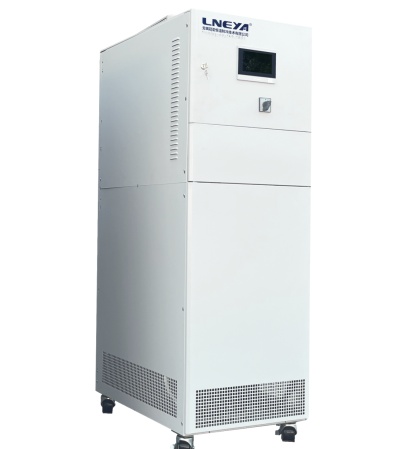
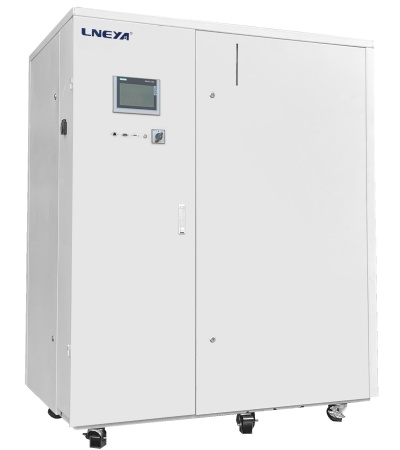
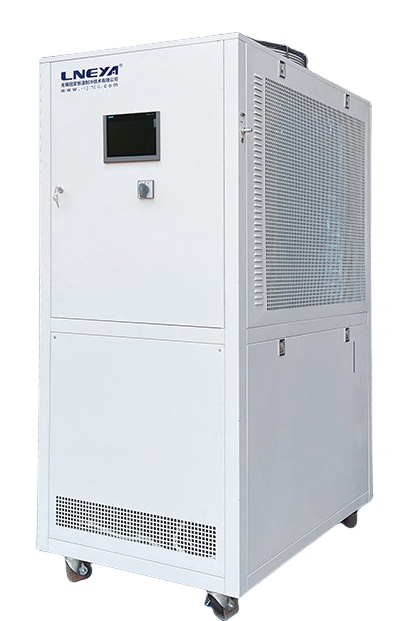
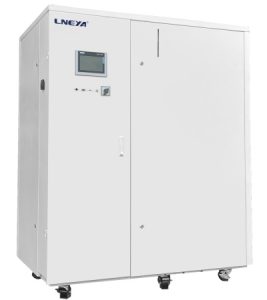
Mini Water Chiller Systems: Versatile Cooling Solutions Mini water chiller systems are designed to provide efficient and precise temperature control in various industrial and commercial applications. These systems are particularly useful in scenarios where space is limited, or a compact cooling solution is required. The mini water chiller market is driven by the need for energy-efficient, environmentally friendly, and technologically advanced cooling systems.
Technology Behind Mini Water Chiller Systems Mini water chiller systems operate on the basic principles of refrigeration cycles, which involve the circulation of a coolant (usually water or a water-glycol mixture) through a closed loop. The coolant absorbs heat from the process or equipment, and the chiller system dissipates this heat to maintain the desired temperature. Key components of these systems include compressors, evaporators, condensers, and expansion valves, which work together to transfer heat and cool the fluid.
Types and Features of Mini Water Chiller Systems Mini water chiller systems come in various types, each designed to meet specific cooling requirements:
Air-Cooled Chillers: These systems use ambient air to dissipate heat and are suitable for areas where water conservation is a priority. They are easy to install and require minimal maintenance.
Water-Cooled Chillers: These systems use water from a cooling tower or water source to dissipate heat, providing higher efficiency and capacity for larger applications.
Screw Chillers: Known for their high efficiency and reliability, screw chillers are used in applications with high-power circulation requirements.
Centrifugal Chillers: These high-capacity chillers are used for large-scale cooling requirements, typically in the HVAC industry.
Applications of Mini Water Chiller Systems Mini water chiller systems find applications across various industries due to their ability to handle precise temperature control:
Manufacturing Sector: In industries such as plastics, automotive, and aerospace, mini water chillers control the temperature of processes such as molding, casting, and heat treatment.
Food Processing & Storage: Chillers are essential in the food industry for cooling processes, refrigeration, and freezing, ensuring product quality and safety.
Pharmaceutical: Temperature control is critical in the production of pharmaceuticals, and mini water chillers ensure the stability of products during processing and storage.
HVAC Systems: Mini water chillers provide essential cooling for small to medium-sized commercial buildings, ensuring comfortable indoor environments.
Market Trends and Growth Factors The market for mini water chiller systems is influenced by several trends and factors:
Energy Efficiency: There is a growing demand for energy-efficient chiller systems that reduce operational costs and minimize environmental impact. Manufacturers are developing chillers with low Global Warming Potential (GWP) refrigerants and advanced technologies like IoT for remote monitoring and optimization.
Environmental Regulations: Stringent energy efficiency standards and regulations on refrigerants are driving the market towards more sustainable and eco-friendly chiller solutions.
Technological Advancements: The integration of smart technologies, such as sensors and predictive maintenance features, enhances system efficiency, reduces downtime, and contributes to cost savings.
Infrastructure Development: Rapid urbanization and infrastructure development are leading to increased construction of commercial buildings, manufacturing facilities, and data centers, which in turn drives the demand for chillers.
Key Players in the Mini Water Chiller Market Several established players dominate the global mini water chiller market, offering a wide range of systems and services. Companies like RIGID and Aqua Cooler are leading the market with their comprehensive range of products and services. RIGID, known for its miniature brushless DC compressors, offers customized refrigeration systems that cater to various thermal management needs in ultra-compact forms. Aqua Cooler, on the other hand, is an Australian-based reseller of drinking water products and industrial process water chillers, providing high-quality, fit-for-purpose products.
Conclusion The mini water chiller market is a dynamic and growing sector, driven by the need for energy-efficient and environmentally friendly cooling solutions. With advancements in technology and increasing environmental concerns, the market is expected to continue its growth trajectory. Key players in the market are focusing on innovation and sustainability to meet the evolving demands of the industry. As the market matures, the focus will likely shift towards more intelligent and efficient chiller systems, ensuring optimal performance and minimal environmental impact.
The "chiller 300 TR" refers to a high-capacity water-cooled chiller with a cooling capacity of 300 tons of refrigeration (TR). This article provides an overview of such chillers, including their working principles, applications, efficiency, and market trends. It highlights their ability to perform well in high ambient conditions and their importance in various industrial cooling projects, such as factory equipment cooling and chemical industry applications.
Efficient heaters are designed to provide warmth with minimal energy consumption, reducing costs and environmental impact. This article examines the various types of efficient heaters, including heat pumps, condensing boilers, and electric heaters with smart controls. It discusses energy efficiency metrics, such as the Coefficient of Performance (COP) and Seasonal Efficiency of Domestic Boilers (SEDBU), and the role of insulation and maintenance in maximizing efficiency. The article also explores the latest advancements in heating technology and the environmental benefits of using efficient heaters.
Water - water chillers are essential cooling devices that transfer heat from one water stream to another. This article comprehensively details them. It begins by explaining the working principle, where a refrigeration cycle cools the process water using a secondary water loop. The structure, including compressors, condensers, evaporators, and water pumps, is described. Different types, such as shell - and - tube and plate - type, are explored, along with their advantages. Applications span industries like manufacturing for equipment cooling and commercial buildings for air - conditioning. Key factors in choosing one, like cooling capacity and energy efficiency, are covered, and maintenance tips are provided to ensure optimal operation.
Process coolers are essential in industrial applications for maintaining optimal temperatures, which is crucial for equipment performance and product quality. This article provides an overview of process cooler types, including air-cooled and water-cooled chillers, and their applications in various industries. It also discusses the latest technology trends in process cooling, such as energy efficiency measures and the environmental impact of cooling systems. The abstract captures the key points of the detailed article, offering insights into the importance of process coolers in industrial processes.
 Industrial Chiller Heater Equipment Supplier-LNEYA