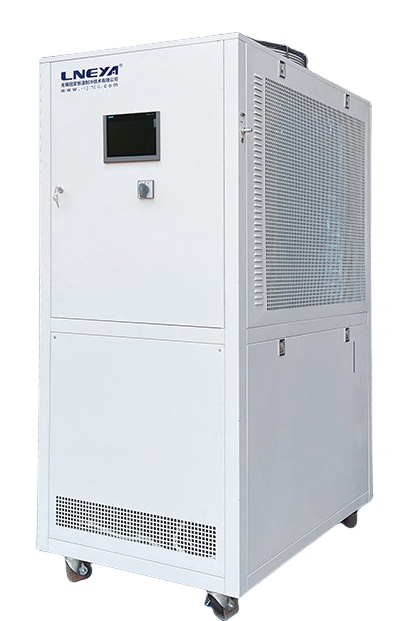
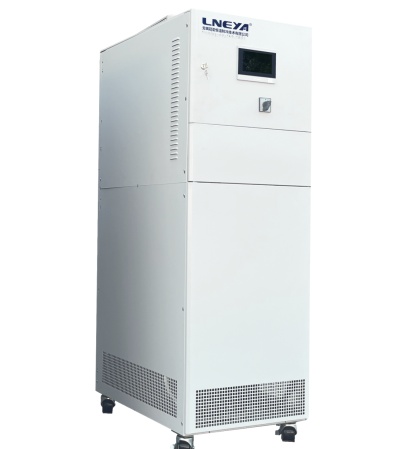
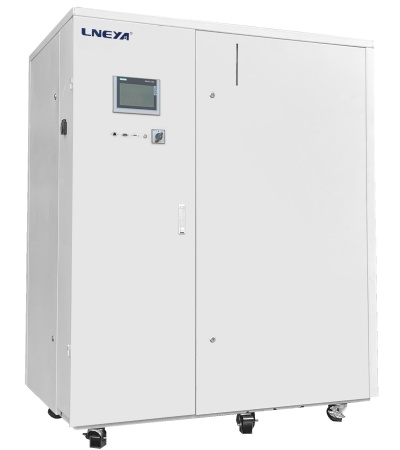
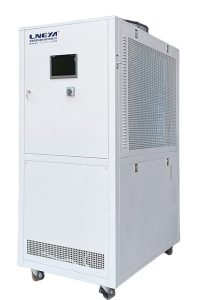
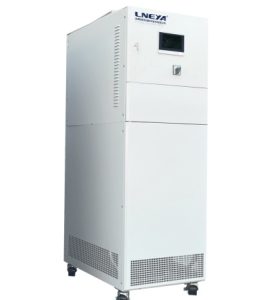
Water Chillers in Australia: Technology and Applications Water chillers play a vital role in Australia’s industrial and commercial sectors by providing precise temperature control for various processes and environments. These chillers work by circulating a coolant, typically water or a water-glycol mixture, through a closed loop system where it absorbs heat from the process and is then cooled again by the chiller. This cycle ensures a stable and consistent temperature, which is critical for the efficiency and quality of numerous industrial processes.
Technology Behind Water Chillers The technology behind water chillers involves a refrigeration cycle that includes components such as compressors, evaporators, condensers, and expansion valves. The coolant absorbs heat from the process, becomes warmer, and returns to the chiller where it is cooled down again. This process involves the refrigerant evaporating and condensing, transferring heat from the process to the ambient air or water source used for cooling the condenser.
Types and Features of Water Chillers in Australia Water chillers in Australia come in various types and configurations to meet the diverse needs of different industries:
Air-Cooled Chillers: These chillers use ambient air to dissipate heat and are suitable for areas where water conservation is a priority. They are easy to install and require minimal maintenance.
Water-Cooled Chillers: These systems use water from a cooling tower or water source to dissipate heat, providing higher efficiency and capacity for larger applications.
Screw Chillers: Known for their high efficiency and reliability, screw chillers are used in applications with high-power circulation requirements.
Centrifugal Chillers: These high-capacity chillers are used for large-scale cooling requirements, typically in the HVAC industry.
Applications of Water Chillers in Australia Water chillers find applications across various industries in Australia:
Manufacturing Sector: In industries such as plastics, automotive, and aerospace, water chillers control the temperature of processes such as molding, casting, and heat treatment.
Food Processing & Storage: Chillers are essential in the food industry for cooling processes, refrigeration, and freezing, ensuring product quality and safety.
Pharmaceutical: Temperature control is critical in the production of pharmaceuticals, and water chillers ensure the stability of products during processing and storage.
HVAC Systems: Water chillers provide essential cooling for large commercial buildings, ensuring comfortable indoor environments.
Market Trends and Growth Factors in Australia The market for water chillers in Australia is influenced by several trends and factors:
Energy Efficiency: There is a growing demand for energy-efficient chiller systems that reduce operational costs and minimize environmental impact. Manufacturers are developing chillers with low Global Warming Potential (GWP) refrigerants and advanced technologies like IoT for remote monitoring and optimization.
Environmental Regulations: Stringent energy efficiency standards and regulations on refrigerants are driving the market towards more sustainable and eco-friendly chiller solutions.
Technological Advancements: The integration of smart technologies, such as sensors and predictive maintenance features, enhances system efficiency, reduces downtime, and contributes to cost savings.
Infrastructure Development: Rapid urbanization and infrastructure development across Australia are leading to increased construction of commercial buildings, manufacturing facilities, and data centers, which in turn drives the demand for chillers.
Key Players in the Australian Water Chiller Market Several established players dominate the Australian water chiller market, offering a wide range of systems and services. Companies like Aqua Cooler and Fleming are leading the market with their comprehensive range of products and services. Aqua Cooler, formed in 1994, offers a complete range of industrial process chillers and is known for its heritage dating back to 1946 with the manufacture of packaged water chiller units.
Conclusion The water chiller market in Australia is a dynamic and growing sector, driven by the need for energy-efficient and environmentally friendly cooling solutions. With advancements in technology and increasing environmental concerns, the market is expected to continue its growth trajectory. Key players in the market are focusing on innovation and sustainability to meet the evolving demands of the industry. As the market matures, the focus will likely shift towards more intelligent and efficient chiller systems, ensuring optimal performance and minimal environmental impact.
Semiconductor processing is a complex yet crucial set of techniques for manufacturing chips that power modern electronics. This article comprehensively covers semiconductor processing, starting with an overview of its significance. It details the core process steps, including silicon wafer fabrication, doping, photolithography, etching, and thin - film deposition, explaining their functions and technologies. The article also explores key considerations in semiconductor processing, such as process control, quality assurance, and emerging trends like 3D integration and nanoscale fabrication. By understanding these aspects, readers can grasp the intricacies of semiconductor manufacturing and its role in advancing technology.
A cooler laboratory is a controlled environment designed for scientific research and experimentation, particularly where temperature control is crucial. These labs utilize various cooling systems, including laboratory chillers, to maintain specific temperatures for equipment and processes. The article discusses the importance, types, applications, and technological advancements of cooler laboratories, providing a comprehensive understanding of their role in scientific research and industrial processes.
"Cool and heating" refers to the processes and systems used to regulate temperature by either removing heat (cooling) or adding heat (heating) to a space or process. These systems are essential for maintaining comfortable and controlled environments in residential, commercial, and industrial settings. Common technologies include HVAC systems, heat pumps, chillers, and radiant heating systems. Effective temperature control ensures energy efficiency, equipment longevity, and human comfort. This article explores the principles, technologies, applications, and benefits of cooling and heating systems, providing a comprehensive guide for understanding and implementing effective thermal management solutions.
A 1.5-ton water chiller is an indispensable piece of equipment for various industrial and commercial applications, providing precise temperature control for processes that require a constant flow of chilled water. This article offers an in-depth look at the 1.5-ton water chiller, covering its types, applications, maintenance, and troubleshooting. It delves into air-cooled and water-cooled chiller systems, highlighting their pros and cons, and provides a comprehensive guide on maintenance checklists and industry standards for optimal performance and longevity. Troubleshooting tips for common issues such as high-pressure alarms ensure that users can quickly identify and resolve problems, minimizing downtime and maintaining efficiency.
 Industrial Chiller Heater Equipment Supplier-LNEYA