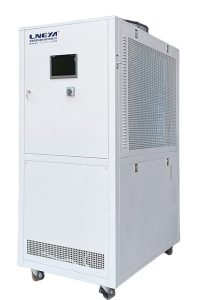
Hot Oil Heat Transfer Systems: Efficient Thermal Management
Hot oil heat transfer systems are engineered to provide efficient heat transfer in a variety of industrial processes. These systems circulate a heat transfer fluid, often an oil with high thermal stability, through a closed loop to deliver or remove heat as required. The use of hot oil as a heat transfer medium offers several advantages, including the ability to operate over a wide range of temperatures and the capacity to provide uniform heat delivery.
Operation Principles of Hot Oil Heat Transfer Systems
The basic principle of a hot oil heat transfer system involves the circulation of a thermal fluid through a series of pipes or coils where heat exchange occurs. The fluid absorbs heat at the source and transfers it to the process that requires heating or cooling. The system can be designed to operate in direct or indirect heating modes, depending on the application’s requirements.
Types of Hot Oil Heat Transfer Fluids
There are several types of thermal fluids used in heat transfer systems, including synthetic oils, mineral oils, and silicone fluids. Each type has its own characteristics and is selected based on the temperature requirements and the specific application’s needs. For instance, synthetic oils like Therminol 66 are known for their high thermal stability and are used in high-temperature applications.
Applications of Hot Oil Heat Transfer Systems
Hot oil heat transfer systems are used in a wide range of industries:
Chemical Industry: In chemical processes, these systems are used to control reaction temperatures, ensuring consistent product quality and safety.
Oil and Gas: They are essential in processes such as oil refining and gas processing, where precise temperature control is critical.
Food Processing: In the food industry, hot oil systems are used for cooking, frying, and pasteurization processes.
Concentrated Solar Power (CSP): In CSP plants, heat transfer fluids are used to capture and store solar energy, which can be used to generate electricity even when the sun is not shining.
Market Trends and Technological Advancements
The market for heat transfer fluids is growing, driven by the increasing demand for energy-efficient solutions and the rise of renewable energy technologies. The global heat transfer fluids market size was estimated at USD 11.06 billion in 2023 and is anticipated to grow at a CAGR of 3.7% from 2024 to 2030. Innovations such as the use of nanoparticles to enhance the heat transfer properties of synthetic oils are also contributing to the advancement of these systems.
Challenges and Considerations
While hot oil heat transfer systems offer significant benefits, they also present certain challenges:
Thermal Degradation: Over time, the heat transfer fluid can degrade at high temperatures, which can affect the system’s efficiency and safety.
Maintenance: Regular maintenance is required to ensure the system operates efficiently and to prevent issues such as clogging or scaling.
Initial Investment: The initial cost of installing a hot oil heat transfer system can be high, particularly for systems that require specialized materials or complex configurations.
Conclusion
Hot oil heat transfer systems are vital in maintaining optimal operating temperatures in various industrial processes. As technology continues to advance, these systems are becoming more efficient and versatile, with a growing focus on sustainability and energy efficiency. The market for heat transfer fluids is expected to expand, driven by the increasing demand for high-performance thermal management solutions in diverse industries.
Small energy-efficient heaters are designed to provide effective and economical heating solutions for specific areas or smaller spaces. These compact devices are gaining popularity due to their energy-saving capabilities and versatility. The article discusses various types of small energy-efficient heaters, their advantages, energy-saving technologies, and practical applications. It also covers the importance of choosing the right heater for different spaces and how to optimize their efficiency, providing a comprehensive guide for consumers seeking cost-effective and environmentally friendly heating options.
Temperature control heating and cooling systems are essential in maintaining optimal conditions for various applications. These systems regulate environments by either adding or removing heat as required, using direct or indirect methods. They are crucial in industries such as healthcare, food processing, and manufacturing, where precise temperature control is vital. The article explores the principles, components, and types of temperature control systems, their applications, and the importance of energy efficiency and precision in these technologies.
A 50 - ton water cooled chiller, boasting a cooling capacity of 600,000 BTUs per hour, is a powerful mid - scale cooling solution. This article offers an in - depth exploration, starting with its basic concept and cooling capacity. It details the vapor - compression refrigeration cycle that drives its operation, elaborating on key components like compressors, condensers, and evaporators. Different types, including packaged and split systems, are discussed, along with their applications in commercial buildings, industrial facilities, and data centers. The advantages, such as high energy efficiency and stable performance, and limitations, including high initial investment and complex maintenance, are analyzed. Additionally, selection criteria, installation requirements, and maintenance procedures are covered, providing a complete understanding of 50 - ton water cooled chillers.
An air-cooled water chiller system is a cooling solution that uses air to dissipate heat from the refrigerant, providing efficient temperature control in various applications. This article provides a comprehensive overview of air-cooled water chiller systems, including their functionality, components, applications, and benefits. Key points covered include:
Functionality: How air-cooled water chiller systems work to regulate temperature by circulating chilled water and using air to cool the refrigerant.
Components: Key parts of the system, such as the compressor, condenser, evaporator, and expansion valve.
Applications: Common uses in HVAC systems, industrial processes, and commercial buildings.
Benefits: Advantages like energy efficiency, ease of installation, and low maintenance requirements.
By understanding these aspects, users can make informed decisions about selecting and utilizing air-cooled water chiller systems for their specific needs.
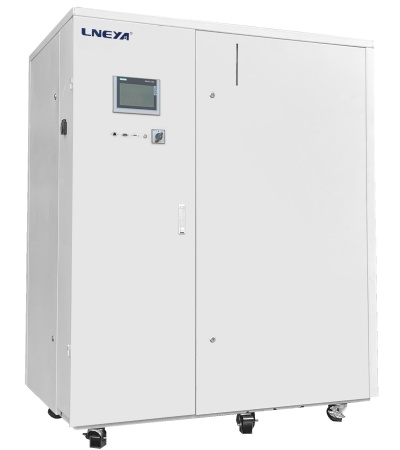
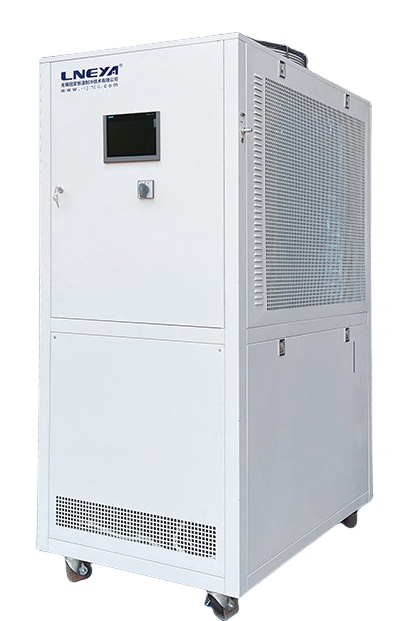
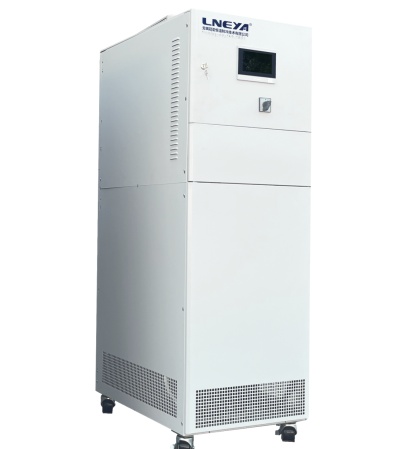
 Industrial Chiller Heater Equipment Supplier-LNEYA