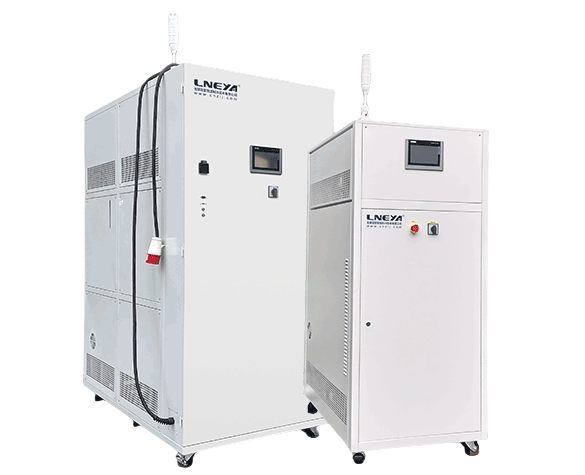
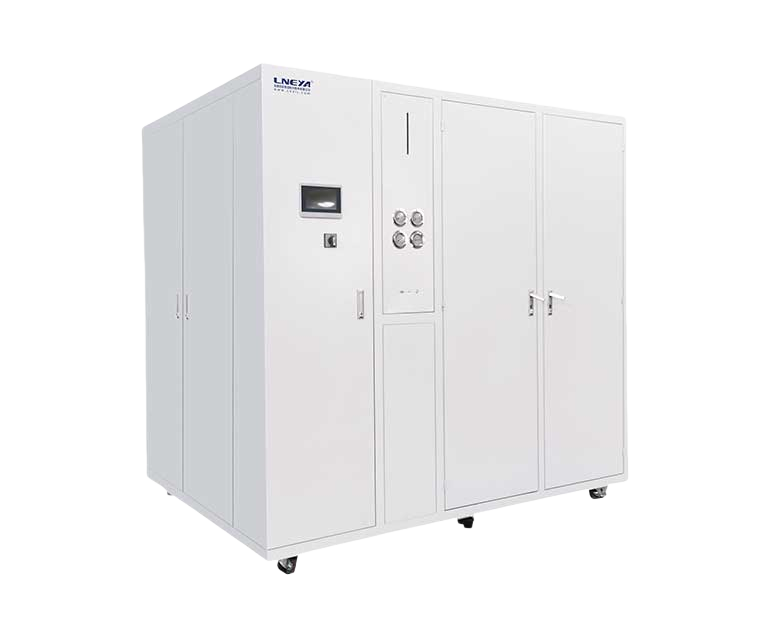
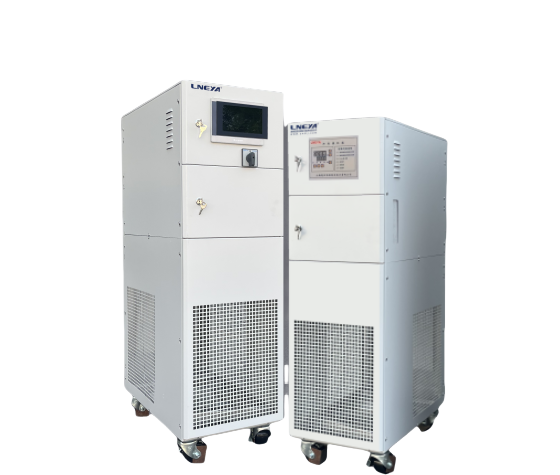
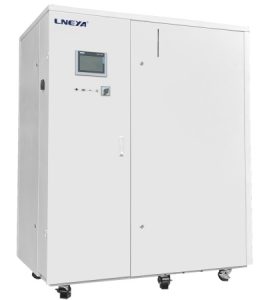
A 30-ton chiller is a significant industrial-grade cooling solution, capable of removing 360,000 BTUs of heat per hour, and is suitable for large-scale commercial and industrial applications. The cost of such chillers can vary widely, and this article aims to provide an in-depth understanding of the factors that influence their pricing and the considerations for selecting the right chiller for your needs.
Factors Influencing the Cost of a 30-Ton Chiller
Type of Chiller:
Chillers can be categorized as water-cooled, air-cooled, or evaporative-cooled. Each type has its own advantages and associated costs, with water-cooled chillers often being more expensive due to their higher efficiency and complexity. Energy Efficiency:
The energy efficiency ratio (EER) or coefficient of performance (COP) is a critical factor affecting the price. Chillers with higher EER or COP ratings may have a higher initial cost but can lead to significant energy savings over time. Features and Controls:
Advanced features such as variable speed drives, smart controls, and integrated monitoring systems can increase the price but also enhance the chiller’s performance and ease of operation. Brand and Reputation:
The brand and manufacturer of the chiller play a role in the price, with well-established brands often commanding a premium for their reputation and quality assurance. Refrigerant Type:
The choice of refrigerant can affect the price, with environmentally friendly options like R-410A or R-134a being more costly but necessary for compliance with environmental regulations. Total Cost of Ownership
Initial Purchase Price:
The initial purchase price is a significant factor, but it is essential to consider the total cost of ownership, including installation, operation, and maintenance. Installation Costs:
The cost of installing a 30-ton chiller can vary depending on the complexity of the system and the need for additional infrastructure such as piping or electrical upgrades. Operational Costs:
Ongoing operational costs, including energy consumption and routine maintenance, should be factored into the decision-making process.
Maintenance and Repairs:
The cost of maintaining and repairing the chiller over its lifetime can be substantial and should be considered as part of the total cost of ownership. Making an Informed Decision
Needs Assessment:
Before purchasing a 30-ton chiller, it is crucial to assess the cooling needs accurately to ensure the selected chiller is appropriately sized for the application. Cost-Benefit Analysis:
A cost-benefit analysis can help determine the most cost-effective option, considering both the initial investment and the long-term savings. Consultation with Experts:
Engaging with HVAC professionals can provide valuable insights into the most suitable chiller for specific requirements and help navigate the complexities of installation and operation. Conclusion
The cost of a 30-ton chiller is determined by a variety of factors, and it is essential to consider the total cost of ownership rather than just the initial purchase price. By understanding the key factors that influence the price and conducting a thorough assessment of the cooling needs, users can make informed decisions that balance capital expenditure with operational efficiency and long-term savings.
Note: This article is intended for informational purposes only and should not be considered as professional advice. For specific applications, it is recommended to consult with a qualified HVAC professional. Prices can fluctuate based on market conditions and should be verified with suppliers or manufacturers for the most accurate and up-to-date information.
A circulating bath heater is a versatile piece of laboratory equipment designed to provide precise temperature control for various applications. The abstract summarizes the key points about these heaters, including their use in maintaining uniform temperatures in a circulating fluid, the types of fluids they can handle, and their applications in fields such as scientific research, material testing, and chemical analysis. It also touches on the importance of selecting the right heater based on temperature range, heating capacity, and control accuracy.
This article offers a detailed exploration of water cooled water chillers, essential cooling systems in various industries. It elucidates their working principle, which involves a refrigeration cycle with water as the heat - transfer medium. Key components, including compressors, condensers, and pumps, are thoroughly described, along with different types such as centrifugal, screw, and reciprocating chillers. The applications of these chillers in industrial, commercial, and some residential settings are presented, covering aspects from manufacturing process cooling to maintaining indoor comfort. Additionally, it discusses crucial selection criteria like cooling capacity, energy efficiency, and water quality, as well as installation, maintenance, and environmental considerations, providing a comprehensive understanding of water cooled water chillers.
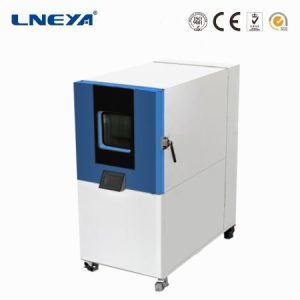
environmental test chambersLNEYA® environmental test chambers characteristicsColor touch screen control panel, integrated numerical values, charts and alarm prompts: improve system stability through cascade control algorithm and PID parameter self...
Industrial circulation heaters are specialized devices designed to heat fluids (liquids or gases) in a continuous flow, used across industrial processes requiring precise temperature control. This article covers their working principle, types (inline, immersion, flanged), key features (heating capacity, material compatibility), applications in manufacturing, oil & gas, and chemical industries, selection criteria, maintenance practices, and safety considerations, providing a comprehensive guide to these essential heating systems.
 Industrial Chiller Heater Equipment Supplier-LNEYA