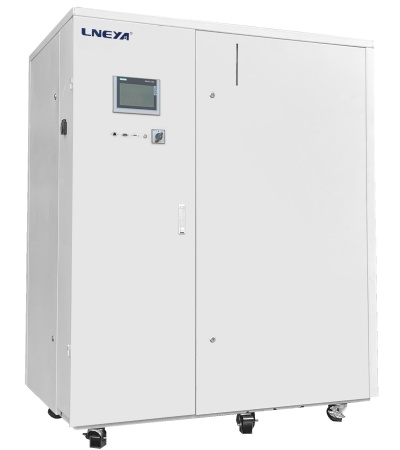
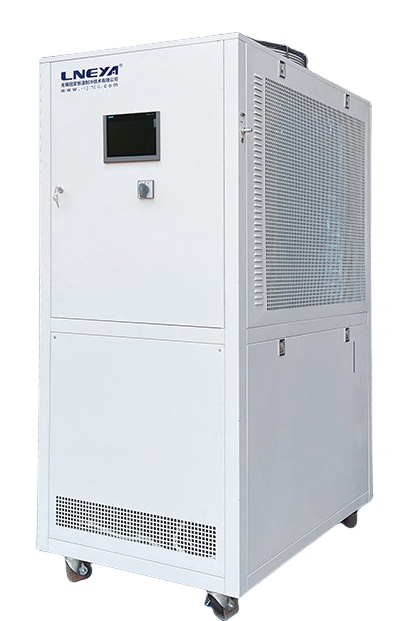
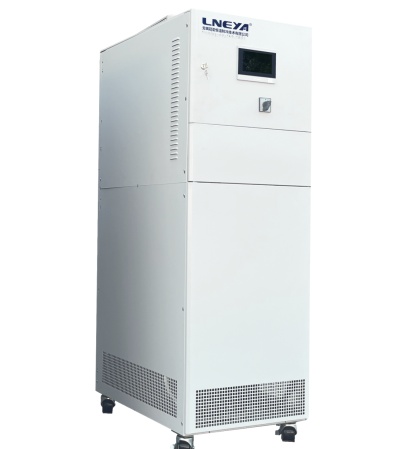
Chillers are crucial for maintaining optimal temperatures in various applications, from industrial processes to commercial HVAC systems. Two common types of chillers are water-cooled and air-cooled, each with its unique operation principles and applications.
Operation Principles
Water-Cooled Chillers: These chillers use water as a coolant, which is circulated through a heat exchanger to absorb heat from the refrigerant. The warmed water is then cooled in a cooling tower or through a water source before re-entering the chiller. They are known for their high efficiency and capacity, typically ranging from 10 to 4,000 tons. Air-Cooled Chillers: They rely on ambient air to dissipate heat from the refrigerant. Fans facilitate the cooling process by blowing air over the condenser coils. Air-cooled chillers are available in sizes from 7.5 to 500 tons and are easier to install and maintain. Advantages of Water-Cooled Chillers
Higher Efficiency: Water has a higher heat capacity than air, making water-cooled chillers more efficient, especially for large cooling loads.
Longer Lifespan: Being indoors, water-cooled chillers are less exposed to the elements, which can extend their operational life to 20–30 years. Advantages of Air-Cooled Chillers
Lower Maintenance: Air-cooled chillers do not require water treatment or cooling towers, resulting in lower maintenance costs. Ease of Installation: They are pre-packaged systems that are simpler to install, making them ideal for areas with limited water resources . Applications
Water-Cooled Chillers: They are used in large-scale industrial processes, data centers, and facilities where water is readily available and the cooling load is high. Air-Cooled Chillers: They are suitable for commercial buildings, smaller industrial processes, and areas with limited water supply or where water conservation is a concern.
Conclusion
The choice between water and air-cooled chillers depends on various factors, including the availability of water, climate conditions, and the specific cooling requirements of the application. Both types play a vital role in ensuring efficient temperature control in a wide range of settings.
Note: This article is for informational purposes only and does not endorse any specific product or service. It is essential to consult with a qualified professional when selecting the appropriate chiller system for your specific needs.
A portable water chiller system is a compact, mobile cooling solution that uses water as the coolant to regulate temperatures across diverse applications. It mainly consists of a compressor, condenser, evaporator, and water pump, operating on the vapor - compression cycle to transfer heat efficiently. Widely applied in laboratories, small - scale manufacturing, food and beverage industries, and healthcare facilities, it offers advantages such as precise temperature control, high heat - transfer efficiency, and easy mobility. However, it also has limitations, including the need for water source access, potential corrosion risks, and maintenance requirements. When choosing and using such a system, factors like cooling capacity, energy efficiency, and proper installation and upkeep should be carefully considered.
A 250 kW chiller is an industrial-scale cooling system capable of delivering substantial cooling power, typically used in large commercial buildings, data centers, and industrial processes. These chillers can be water-cooled or air-cooled and are known for their high efficiency and reliability. The article will discuss the key features, efficiency, and applications of 250 kW chillers, as well as the factors to consider when selecting one for purchase.
Closed-loop chiller systems are engineered for precise temperature control and are ideal for applications requiring a stable, contaminant-free cooling environment. This article outlines the advantages of closed-loop systems, including reduced water and coolant usage, lower energy consumption, and precise temperature maintenance. It also discusses market trends, applications, and the potential challenges associated with closed-loop chillers. The abstract provides a comprehensive overview for users seeking information on closed-loop chillers, their benefits, and considerations for purchase and operation.
The term "temperature for cooling" refers to the specific temperature ranges required to maintain optimal conditions in various applications, from industrial processes to human comfort. This article explores the significance of temperature control, the factors influencing cooling temperatures, and the methods used to achieve desired cooling temperatures. It also discusses the impact of cooling temperatures on energy efficiency and sustainability, providing insights into best practices for temperature management across different sectors.
 Industrial Chiller Heater Equipment Supplier-LNEYA