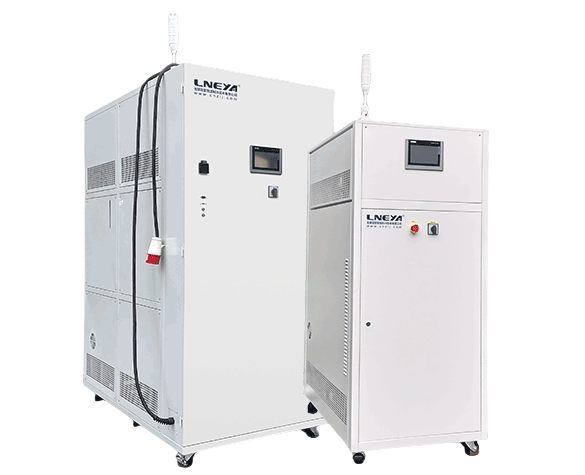
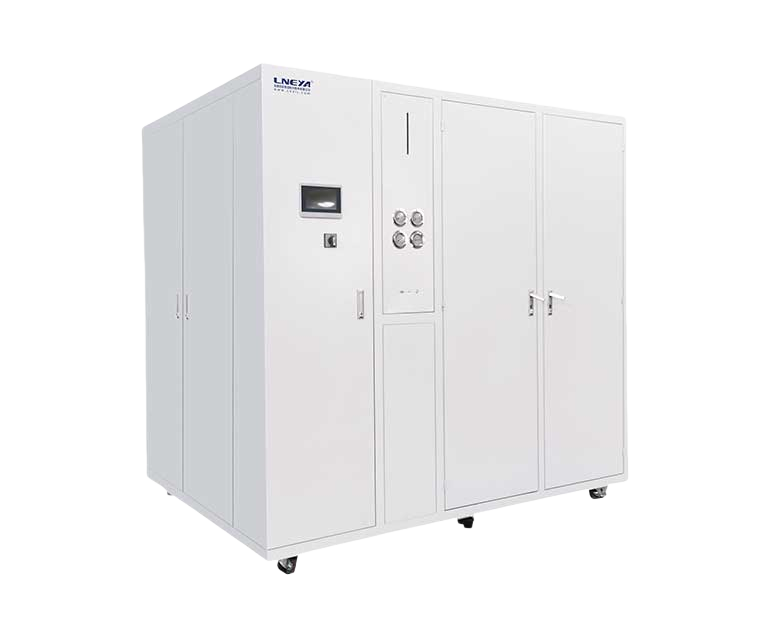
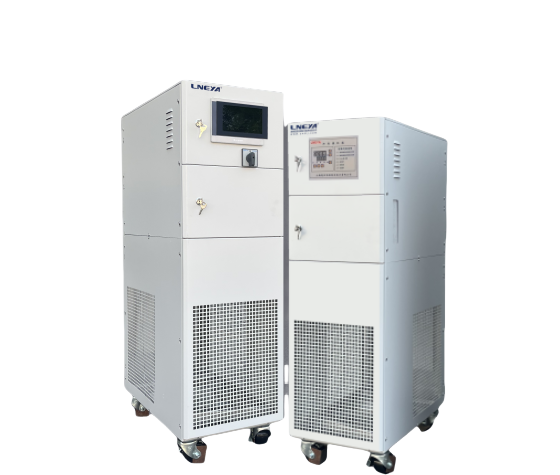
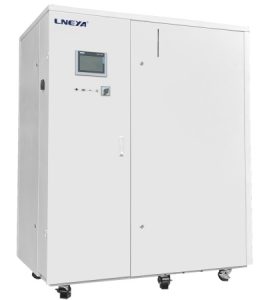
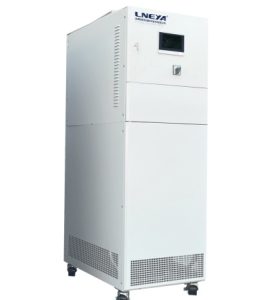
A 10-ton air-cooled water chiller is a significant piece of HVAC equipment designed to cool large spaces or industrial processes by circulating chilled water through a closed system. Rated at removing approximately 120,000 BTUs of heat per hour, this chiller is equivalent to the cooling capacity of 10 tons of refrigeration. These units are particularly useful for applications such as commercial buildings, data centers, and industrial processes where large-scale cooling is required.
Mechanics of a 10-Ton Air-Cooled Water Chiller
The operation of a 10-ton air-cooled water chiller involves a refrigeration cycle that includes the following steps:
Compression: The refrigerant is compressed, increasing its temperature and pressure. Condensation: The hot, high-pressure refrigerant is cooled, causing it to condense and release heat to the ambient air. Expansion: The refrigerant passes through an expansion valve, rapidly cooling it down. Evaporation: The cooled refrigerant absorbs heat from the water circulating through the chiller, evaporating back into a gas and beginning the cycle anew. Components of a 10-Ton Air-Cooled Water Chiller
Key components of a 10-ton air-cooled water chiller include:
Compressor: The heart of the chiller, responsible for compressing the refrigerant.
Condenser: Where the refrigerant releases heat to the ambient air. Evaporator: The component where the refrigerant absorbs heat from the water, cooling it down. Fan: Facilitates the dissipation of heat from the condenser to the outside air. Pump: Circulates the chilled water throughout the system. Control System: Regulates the operation of the chiller based on the cooling demand. Efficiency Factors
The efficiency of a 10-ton air-cooled water chiller is influenced by several factors:
Coil Surface Area: Larger coils provide more surface area for heat exchange, improving efficiency. Fan Efficiency: High-efficiency fans can dissipate heat more effectively, reducing energy consumption. Refrigerant Type: Modern refrigerants with lower environmental impact can also offer improved performance. Maintenance: Regular maintenance, including cleaning of coils and checking refrigerant levels, ensures optimal operation. Applications of 10-Ton Air-Cooled Water Chillers
These chillers are used in various applications, such as:
Commercial Buildings: For cooling large office spaces, malls, and hotels. Industrial Processes: In manufacturing facilities where process cooling is required. Data Centers: To maintain optimal temperatures for server rooms and IT equipment.
Selection Criteria and Installation
When selecting a 10-ton air-cooled water chiller, consider factors such as the required cooling capacity, ambient temperature, and available space for the unit. Installation should be done by professionals to ensure proper setup and adherence to safety standards.
Maintenance and Safety
Proper maintenance is crucial for the performance and longevity of the chiller. Regular inspections, cleaning, and servicing help prevent issues such as refrigerant leaks, coil fouling, and system failures. Safety measures, including proper grounding and adherence to electrical codes, must be followed during installation and operation.
Conclusion
A 10-ton air-cooled water chiller is a powerful tool for large-scale cooling needs. Its efficiency, versatility, and reliability make it suitable for a wide range of applications. Understanding its mechanics, components, and maintenance requirements is essential for getting the most out of this HVAC equipment.
Note: This article is intended for informational purposes only and does not endorse or promote any specific products or services. It is designed to provide a comprehensive understanding of 10-ton air-cooled water chillers and their role in various cooling applications.
Airstack chillers, also known as air-cooled chillers, are crucial for space cooling in various sectors, including tertiary buildings. These chillers use air as the cooling medium and are equipped with variable-speed condenser fans for energy-efficient operation. The article delves into their working principles, types, applications, efficiency, and safety considerations, providing a comprehensive overview of airstack chillers' role in sustainable cooling solutions.
This article offers a comprehensive overview of chillers in industrial cooling systems, including their definition, main types (air cooled, water cooled, etc.), working principles, key roles in various industries, critical technologies, factors for selection, and maintenance requirements. It provides objective, popular science knowledge, enabling readers to understand how these chillers function in industrial settings and their importance in ensuring efficient production processes.
Chillers are integral components of industrial cooling systems, designed to remove excess heat from industrial processes, machinery, or facilities to maintain optimal operating temperatures. In industrial settings, where high heat loads are common due to machinery operation, chemical reactions, or high-power equipment, chillers play a vital role in preventing overheating, ensuring product quality, and extending equipment lifespan. They are engineered to handle large cooling capacities and operate reliably in harsh industrial environments.
Chiller technology encompasses a range of systems and techniques for cooling. This article begins with an explanation of fundamental cooling principles like the vapor - compression and absorption cycles. It details key component technologies, such as compressors and heat exchangers. Different chiller types, including air - cooled, water - cooled, and absorption chillers, are explored in terms of their technological features. Applications in industries like manufacturing, food and beverage, and healthcare are covered. The article also discusses future trends, including energy - efficiency improvements, smart integration, and sustainable refrigerant use, providing a comprehensive understanding of chiller technology.
A recirculating bath, often used in laboratories and industrial processes, is a closed-loop system designed to maintain a consistent temperature. This article discusses the principles, components, applications, and maintenance of recirculating baths. It covers the importance of temperature stability, the role of circulation pumps, and the impact of fluid selection on system performance.
 Industrial Chiller Heater Equipment Supplier-LNEYA