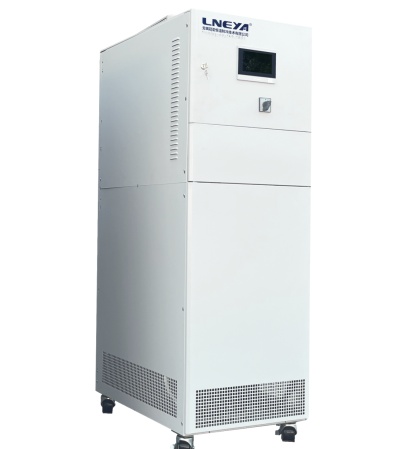
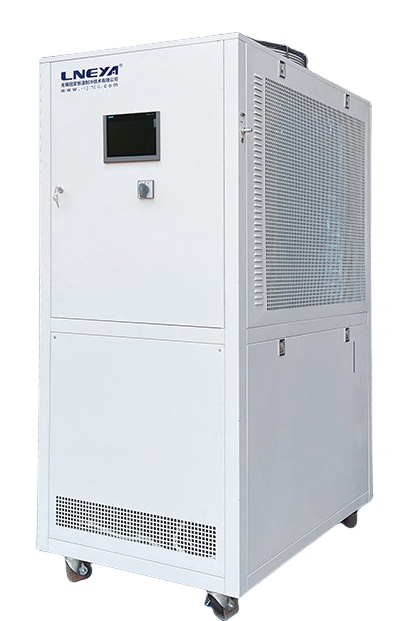
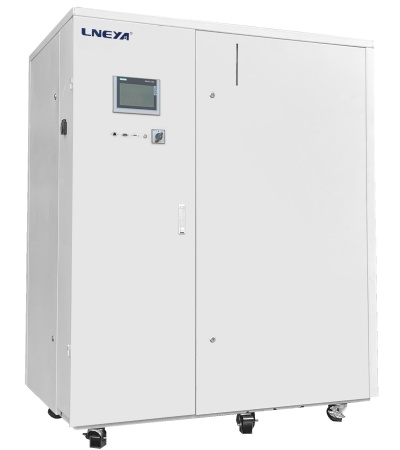
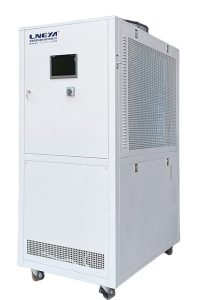
A 5hp chiller is a high-capacity cooling system designed to meet the demands of large-scale industrial and commercial applications. These chillers are known for their robust construction, reliability, and ability to provide consistent cooling performance.
Key Features of 5hp Chillers
Cooling Capacity: With a 5hp rating, these chillers offer substantial cooling power, making them suitable for large facilities. Types of Systems: Chillers can be air-cooled or water-cooled, with each type having its own advantages and applications. Energy Efficiency: Modern 5hp chillers are designed with energy-saving technologies to reduce operational costs. Types of 5hp Chillers
Air-Cooled Chillers: Use ambient air for heat rejection and are suitable for areas with limited water resources. Water-Cooled Chillers: Rely on a water source for more efficient heat dissipation in warmer climates. Applications of 5hp Chillers These chillers are used in various applications, such as:
Industrial Processes: For cooling in manufacturing, food processing, and chemical industries. Commercial Buildings: Office buildings, shopping centers, and hotels that require extensive cooling. Data Centers: Cooling servers and IT equipment to prevent overheating. Maintenance and Operation Proper maintenance of 5hp chillers is essential for their performance and longevity. This includes:
Regular Inspections: Checking for leaks, corrosion, and wear in the system. Filter Cleaning: Ensuring that air filters and strainers are clean to maintain optimal heat exchange efficiency. Oil Changes: Replacing compressor oil as recommended by the manufacturer.
Environmental Considerations 5hp chillers are designed with environmental sustainability in mind, using refrigerants with low ozone depletion potential (ODP) and low global warming potential (GWP). They also feature energy-saving technologies to reduce their carbon footprint.
Conclusion A 5hp chiller offers a reliable and efficient cooling solution for large-scale applications. By understanding their key features, types, applications, and the factors involved in their selection and maintenance, users can ensure optimal performance and reliability in their processes. The advancements in cooling technology have made these systems more accessible and efficient for a wide range of operations.
This article provides a comprehensive guide to 5hp chillers, discussing their key features, types, applications, and the considerations for their selection and maintenance. It emphasizes the importance of choosing the right chiller for specific cooling needs and highlights the advancements in cooling technology that have made these systems more accessible and efficient.
Circulation chillers, also known as recirculating chillers, are engineered to provide precise temperature control for a variety of applications. They are used in laboratories, industrial processes, and HVAC systems to cool or heat fluids that are circulated through the process or space. These chillers are designed for high efficiency, ease of use, and stable temperature control, with features like variable speed drives and eco-friendly refrigerants. Applications include cooling large printing machines, temperature control in laser cutting, and distillation systems. Market trends show a move towards energy efficiency, sustainability, and smart technology integration, with a focus on low GWP refrigerants and advanced control systems。
Thermal chamber testing is a crucial procedure across diverse industries. This article commences by defining thermal chamber testing as a method to subject products or materials to controlled temperature conditions. It details the primary purposes, such as assessing product reliability under extreme temperatures and validating design performance. Different types of thermal chambers, including high - low temperature and humidity - combined chambers, are described, along with their specific applications. The step - by - step testing process, from sample preparation to data analysis, is explained. Applications in electronics, automotive, aerospace, and more are explored, and important considerations like calibration and safety are also covered, offering a holistic understanding of thermal chamber testing.
An electrical heater coil is a device that converts electrical energy into heat through the principle of Joule heating. This article offers a detailed exploration of electrical heater coils, covering their working principles, various types, key applications, advantages, limitations, and safety considerations. It explains how the resistance of the coil material generates heat when an electric current passes through it. Different coil types, such as nickel - chromium, kanthal, and ceramic - coated coils, are analyzed, along with their uses in household appliances, industrial equipment, and automotive systems. The article also discusses the benefits like precise temperature control and energy efficiency, as well as potential drawbacks, providing a complete understanding for readers.
Thermal chucks are specialized devices crucial for precise temperature - controlled material handling and processing. They operate based on principles of heat transfer, including conduction and phase - change mechanisms, to maintain specific temperatures. Classified into electrical resistance, thermoelectric, and fluid - cooled types, each offers distinct advantages. These chucks feature high - precision temperature control, rapid response times, and excellent flatness, making them ideal for applications in semiconductor manufacturing, microelectronics, optics, and precision machining. This article delves into their working principles, types, key features, applications, and future development trends, providing a thorough understanding of their role in modern manufacturing and research.
 Industrial Chiller Heater Equipment Supplier-LNEYA