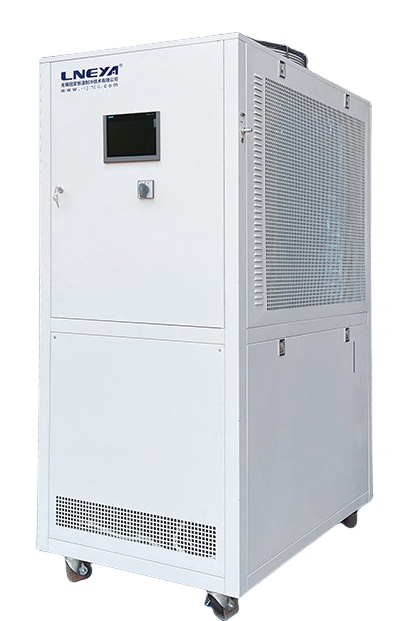
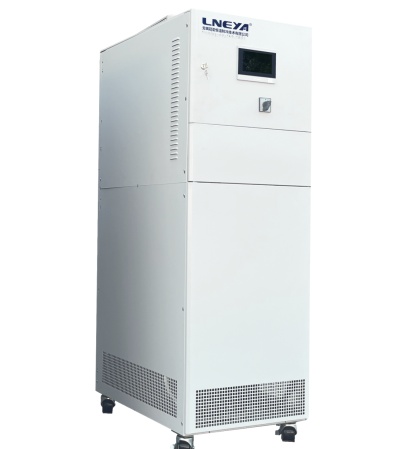
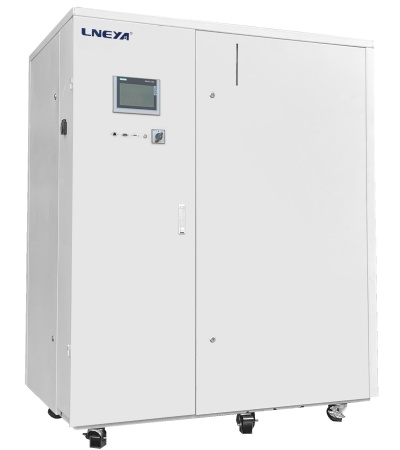
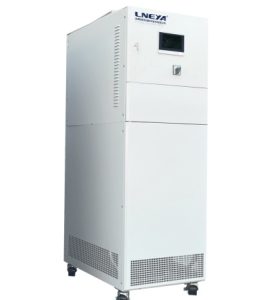
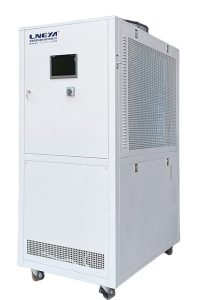
In industrial and commercial applications, the demand for reliable and efficient cooling systems is paramount. A 10-ton water-cooled chiller is a robust solution that offers consistent temperature control, crucial for maintaining the performance of processes such as plastic injection molding, chemical processing, and laser cutting.
Key Specifications of a 10-ton Water-Cooled Chiller:
Capacity: With a cooling capacity of 120,000 BTU/HR, these chillers are designed to handle substantial cooling loads. Voltage Requirements: They typically operate on 208-230/3/60 or 460/3/60 voltage, ensuring compatibility with various industrial power systems. Pump HP and Flow Rate: A 1-1/2 HP pump with a flow rate of 55gpm@30psi is standard, facilitating efficient water circulation. Connections: These chillers feature 1 1/4″ MNPT IN/OUT connections, allowing for straightforward integration into existing systems.
Efficiency Metrics:
COP (Coefficient of Performance): A higher COP indicates greater efficiency, with values often ranging from 5.86 to 6.5 for well-performing chillers. EER (Energy Efficiency Ratio): This metric, calculated based on the cooling capacity in BTUs and power input in Watts, provides a measure of energy efficiency, with higher EER values signifying better performance. Maintenance Practices: Proper maintenance is essential for the longevity and efficiency of a 10-ton water-cooled chiller. Key maintenance practices include:
Regular Inspections: Routine checks for leaks, corrosion, and proper lubrication are necessary to prevent system failures. Cleaning: Periodic cleaning of the condenser coils and heat exchangers ensures optimal heat transfer and maintains efficiency.
Filter Maintenance: Replacing dirty or clogged filters helps to preserve the chiller’s performance and prevent potential damage. Selection Criteria: When selecting a 10-ton water-cooled chiller, consider the following:
Process Requirements: Ensure the chiller’s capacity matches the cooling demands of your process. Energy Efficiency: Choose a chiller with a high COP and EER to minimize energy consumption and operational costs. Maintenance and Support: Opt for a chiller from a reputable manufacturer that offers comprehensive maintenance support and service. Conclusion: A 10-ton water-cooled chiller is an indispensable piece of equipment for industries requiring precise temperature control. By understanding its key specifications, efficiency metrics, and maintenance requirements, businesses can ensure optimal performance and reliability. Investing in a high-efficiency chiller not only enhances process control but also contributes to energy savings and environmental sustainability.
This article provides a comprehensive introduction to air circulation heaters. It first defines what an air circulation heater is and its significance in heating applications. The working principle of these heaters is explained, including how air is heated and circulated. Different types of air circulation heaters, such as electric and gas-powered ones, are explored along with their features, advantages, and limitations. Factors to consider when choosing an air circulation heater, like heating capacity, efficiency, and safety, are discussed. Additionally, proper installation, maintenance, and common troubleshooting tips are presented. Understanding these aspects helps users make informed decisions and ensures the efficient operation of air circulation heaters.
Reciprocating chillers are a type of compression - based cooling equipment that utilize a piston - cylinder mechanism to compress refrigerant, facilitating heat transfer for cooling purposes. Their operation is based on the vapor - compression cycle, encompassing processes like compression, condensation, expansion, and evaporation. Characterized by simple structures, good part - load efficiency, and relatively low initial costs, they also have limitations such as high noise, vibration, and frequent maintenance needs. Reciprocating chillers find applications in small - to - medium - sized commercial and industrial settings, including office buildings, food processing plants, and light manufacturing facilities. When selecting one, factors like cooling capacity, energy efficiency, noise level, and maintenance requirements should be carefully considered.
Portable chillers offer a flexible and efficient cooling solution for a variety of applications, including industrial processes, temporary cooling needs, and mobile operations. Their key advantages include mobility, ease of installation, and adaptability to different environments. Portable chillers are ideal for situations where permanent cooling systems are impractical or unavailable. This article provides a comprehensive overview of the advantages of portable chillers, including their working principles, types, applications, and key considerations for selection. Factors such as cooling capacity, energy efficiency, maintenance requirements, and environmental impact are discussed to help users make informed decisions. Whether for temporary projects or dynamic cooling needs, portable chillers provide a reliable and versatile solution.
Compact chillers are space-saving solutions designed for precise temperature control in various industries such as medical, industrial, and commercial applications. These chillers offer high efficiency, easy maintenance, and low environmental impact. They come in different types, including air-cooled and water-cooled, with capacities ranging from a few kilowatts to several hundred kilowatts. The market for compact chillers is growing due to advancements in technology and a focus on energy efficiency and sustainability. Key players in the market are developing innovative solutions to meet the increasing demand for reliable and eco-friendly cooling systems.
 Industrial Chiller Heater Equipment Supplier-LNEYA